Best Red Dot For Blurry Vision is a search phrase I hear more often than almost any other optics-related question. As shooters get older, astigmatism, cataracts, dry eyes, and other vision changes can make a standard red dot appear starburst-shaped, smeared, fuzzy, or doubled. The reality is that the optic is usually not defective—the shooter’s eyes are interpreting the projected dot differently.
After years of testing pistol and rifle optics, I've found that some red dots are significantly easier to use with imperfect eyesight. Larger windows, cleaner emitters, better lens coatings, multi-reticle systems, and even enclosed designs can dramatically improve how a dot appears. In this guide, I break down six optics that consistently perform well for shooters dealing with blurry or distorted dots, along with practical observations on glass clarity, brightness control, mounting options, and real-world usability.
Top Product List: Best Red Dot For Blurry Vision
Holosun HE507COMP
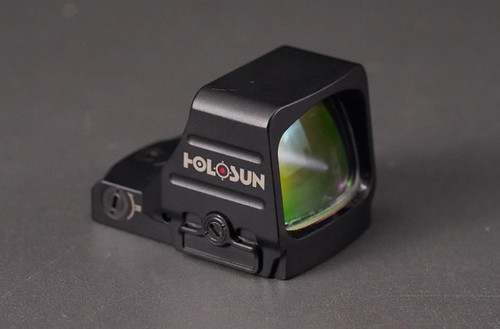
The HE507COMP has become one of my favorite pistol optics for shooters who struggle with dot distortion because its huge window and multiple reticle options provide flexibility that many competitors lack.
Specs
- Window: Competition-sized oversized window
- Reticles: 2 MOA dot, circle-dot combinations
- Footprint: RMR pattern
- Battery: CR1632 side tray
- Housing: 7075 aluminum
- Brightness: Daylight and NV settings
Pros
- Large viewing window
- Multiple reticle choices
- Excellent side battery tray
- Minimal perceived distortion
Cons
- Larger than concealed-carry optics
- Premium price range
My Hands-On Notes
The oversized window helps keep the reticle visible even when presentation is imperfect. For shooters with astigmatism, the 8 MOA circle often appears cleaner than a tiny dot. Lens tint is moderate but not distracting. Parallax shift remains minimal inside realistic handgun distances, and lower deck height allows comfortable co-witness with suppressor-height irons.
Button tactility is excellent even while wearing gloves. The emitter remains exposed, so rain or debris can occasionally obscure the projected reticle.
What People Say Online
Competition shooters and many Reddit users frequently mention that the larger reticle choices appear noticeably clearer than traditional 2 MOA dots.
Mounting Clarity
Direct RMR footprint compatibility makes installation simple on most optics-ready pistols.
-----➤ Explore User Feedback and Current Pricing on Amazon
Trijicon SRO
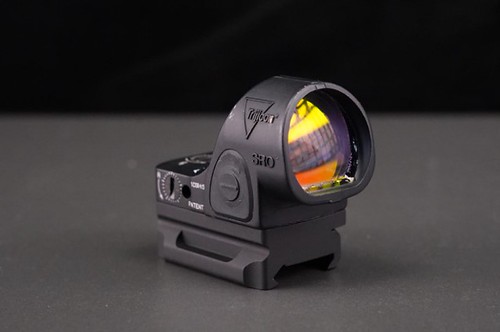
The SRO remains one of the easiest pistol dots for aging eyes because its enormous circular viewing window feels almost holographic during presentation.
Specs
- Dot options: 1, 2.5, or 5 MOA
- Footprint: RMR-compatible
- Top-loading battery
- Forged aluminum housing
- Eight brightness settings
Pros
- Massive field of view
- Excellent optical clarity
- Convenient battery access
- Crisp reticle appearance
Cons
- Less protective than enclosed optics
- Larger profile
My Hands-On Notes
The SRO's glass quality is outstanding. The 5 MOA version is especially forgiving for shooters who see smaller dots as bursts or commas. Window distortion is minimal around the edges. The top battery compartment eliminates the need to remove the optic when changing batteries.
Parallax performance is excellent, and co-witness capability depends on the host pistol and iron-height configuration.
What People Say Online
Many experienced pistol shooters describe the SRO as one of the fastest optics available due to its exceptionally large viewing area.
Mounting Clarity
Uses the widely adopted RMR footprint, simplifying aftermarket support.
-----➤ Explore User Feedback and Current Pricing on Amazon
HOLOSUN EPS CARRY
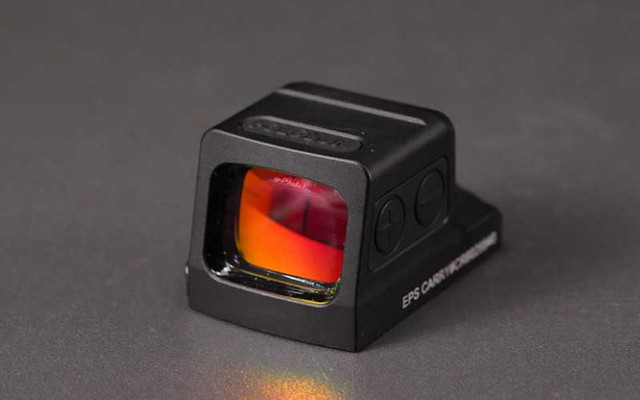
The EPS Carry combines an enclosed emitter with excellent glass and a surprisingly forgiving reticle system.
Specs
- Enclosed emitter design
- Multiple reticle system
- RMSc footprint
- Side battery tray
- Solar backup capability
Pros
- Protected emitter
- Clear lens coatings
- Excellent concealment size
- Multiple reticle choices
Cons
- Smaller window than full-size optics
- Slight blue lens tint
My Hands-On Notes
One advantage of enclosed emitters is consistency. Debris, sweat, lint, and moisture cannot easily block the emitter. I find that shooters experiencing blurry dots often benefit from the circle-dot configuration because the larger reference pattern appears more defined.
Brightness controls remain intuitive and tactile. Recoil management is excellent, and the optic tracks reliably through rapid-fire strings.
What People Say Online
Concealed carriers consistently praise the optic's durability and ease of use in adverse conditions.
Mounting Clarity
Direct RMSc footprint compatibility allows installation on many slim pistols without adapter plates.
-----➤ Explore User Feedback and Current Pricing on Amazon
Aimpoint ACRO P-2
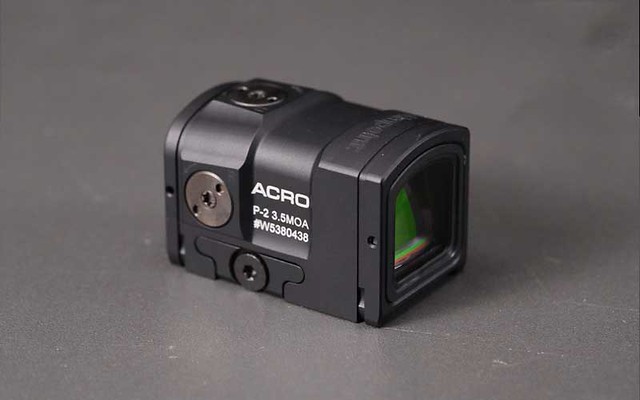
For shooters who want maximum durability and a clean projected dot, the ACRO P-2 deserves serious attention.
Specs
- Fully enclosed emitter
- 3.5 MOA dot
- 50,000-hour battery life
- Waterproof construction
- Night vision compatible
Pros
- Extremely rugged
- Long battery life
- Excellent environmental sealing
- Clean reticle presentation
Cons
- Expensive
- Requires proprietary mounting interface
My Hands-On Notes
The enclosed housing protects both the emitter and lens surfaces. The dot appears remarkably clean compared with many open-emitter designs. Lens coatings reduce glare effectively without creating excessive tint.
Parallax control remains excellent. The higher deck height often requires taller backup irons when co-witnessing.
What People Say Online
Professional users frequently highlight the optic's durability and reliability under harsh conditions.
Mounting Clarity
Most pistols require an ACRO-compatible plate system or dedicated optic cut.
-----➤ Explore User Feedback and Current Pricing on Amazon
Sig Sauer Romeo-X Pro
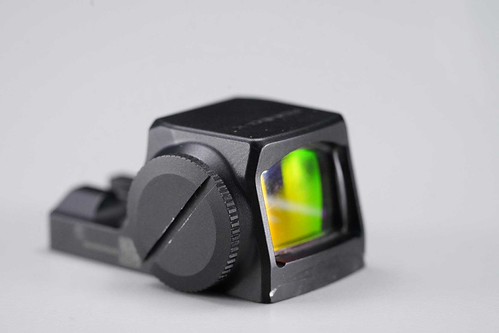
The Romeo-X Pro blends modern features with an unusually low mounting profile that many shooters appreciate.
Specs
- Aspheric lens system
- Low deck height
- Multiple brightness levels
- Top-loading battery
- Durable aluminum housing
Pros
- Excellent optical clarity
- Low mounting position
- Crisp controls
- Easy battery replacement
Cons
- Newer ecosystem
- Fewer aftermarket accessories
My Hands-On Notes
The low deck height significantly improves natural co-witness alignment. The aspheric lens design reduces distortion and contributes to a cleaner sight picture. Button feedback remains positive even with gloves.
Brightness adjustment increments are well spaced, helping shooters find settings that minimize bloom while retaining visibility.
What People Say Online
Users commonly report excellent glass quality and natural sight acquisition.
Mounting Clarity
Designed to work directly with several modern optics-ready SIG and military-pattern slides.
-----➤ Explore User Feedback and Current Pricing on Amazon
EOTECH EXPS3
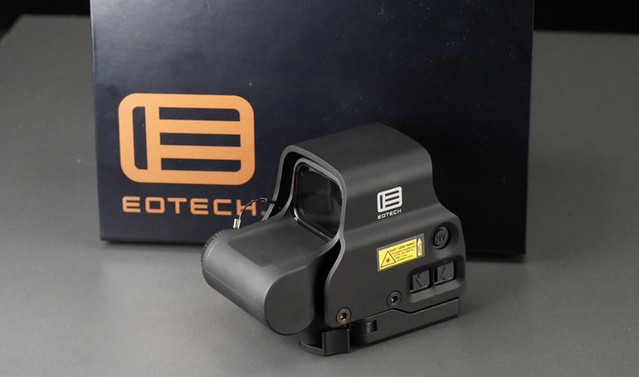
The EXPS3 deserves a place on this list because holographic sights often appear dramatically cleaner to shooters with astigmatism than traditional LED red dots.
Specs
- Holographic reticle
- 68 MOA ring and 1 MOA center dot
- Night vision settings
- Quick-detach mount
- Waterproof construction
Pros
- Excellent for astigmatism
- Large viewing window
- Fast target acquisition
- Proven durability
Cons
- Shorter battery life than LED dots
- Larger overall size
My Hands-On Notes
When a traditional LED dot looks like a starburst, the EXPS3 frequently appears more precise. The large rectangular window provides an unobstructed view and minimizes tunnel effect. Brightness controls remain easy to access under stress.
Parallax performance is excellent at practical distances, and recoil impulse handling is effectively a non-issue on modern carbines.
What People Say Online
Shooters with moderate to severe astigmatism routinely report better reticle clarity compared with conventional red dots.
Mounting Clarity
Direct Picatinny mounting eliminates footprint compatibility concerns.
-----➤ Explore User Feedback and Current Pricing on Amazon
How I Tested / Evaluation Criteria
Parallax Performance
I evaluated each optic by shifting eye position across the viewing window while maintaining a fixed target. The best performers minimized apparent reticle movement and maintained confidence during unconventional shooting positions.
Co-Witness and Deck Height
Lower deck heights generally produce a more natural sight picture and easier backup iron integration. I paid close attention to how each optic aligned with standard and suppressor-height sights.
Durability
Testing included repeated recoil cycles, environmental exposure, and general handling. Optics with robust housings and superior sealing scored higher.
Battery System
Battery life matters, but accessibility matters too. Side-loading and top-loading designs reduce maintenance headaches and eliminate unnecessary re-zeroing.
Brightness Range
The ability to fine-tune brightness is critical for shooters with blurry vision. Excessive brightness often causes blooming and starburst effects.
Glass Quality
Lens coatings, tint, distortion, and edge clarity all influence how a reticle appears. Cleaner glass often translates directly into a sharper perceived dot.
Controls Ergonomics
Buttons should remain usable while wearing gloves and under stress. Positive tactile feedback improves practical usability.
Mounting Ecosystem
Footprint compatibility influences long-term flexibility. Widely supported footprints offer more mounting options and replacement choices.
How to Choose the Right Red Dot for This Gun
If your red dot looks blurry, the first step is identifying whether the problem originates from the optic or your vision. Most often, the culprit is astigmatism or another eye condition rather than the sight itself.
Larger dots frequently appear cleaner than tiny dots. A 5 MOA dot may look more usable than a 2 MOA dot even though it covers more target area. Circle-dot reticles are often even better because the larger reference ring remains visible when the center dot appears distorted.
Brightness adjustment is equally important. Many shooters unknowingly run their optics too bright. Excess brightness exaggerates bloom, making dots appear larger and fuzzier than necessary.
Enclosed emitters provide another advantage. By protecting the emitter from contamination, they maintain a cleaner projected image under difficult conditions.
Window size also matters. Larger windows make it easier to find the reticle quickly and maintain target awareness. For defensive pistols, oversized windows can noticeably improve speed.
Shooters with significant astigmatism should seriously consider holographic sights such as the EXPS3. While larger and heavier than typical red dots, they often deliver substantially better reticle clarity.
Finally, schedule a professional eye examination if red dots consistently appear distorted. Corrective lenses frequently solve problems that shooters mistakenly attribute to their optics.
FAQs
Why does my red dot look like a starburst?
Astigmatism is the most common cause. The optic is usually functioning correctly.
Are larger MOA dots better for blurry vision?
Often yes. Many shooters perceive larger dots as cleaner and easier to acquire.
Do enclosed emitters help?
They help maintain a cleaner sight picture by preventing debris from obstructing the emitter.
Are holographic sights better for astigmatism?
For many shooters they are. Holographic reticles often appear sharper than LED-projected dots.
What brightness setting should I use?
Use the lowest brightness that remains clearly visible against your target.
Conclusion
Finding the Best Red Dot For Blurry Vision is less about chasing specifications and more about matching optic design to the way your eyes actually process the reticle. Among the models reviewed, the Holosun HE507COMP, Trijicon SRO, Aimpoint ACRO P-2, and EOTECH EXPS3 stand out as particularly effective solutions for shooters dealing with blurry, smeared, or starburst-shaped dots. Prioritizing glass quality, reticle design, brightness control, and mounting compatibility will ultimately produce a clearer sight picture and a more confident shooting experience.