Best Red Dot For Beretta Px4 Storm Full Size is a topic that continues to generate debate because the PX4 occupies a unique space in the handgun market. Its rotating-barrel design produces a softer recoil impulse than many comparable polymer pistols, making it an excellent host for a quality pistol optic. However, mounting considerations matter. Most PX4 Full Size pistols are not optics-ready from the factory, meaning shooters typically need a slide milling service or a specialized mounting plate system.
After evaluating durability, footprint compatibility, sight picture, glass quality, battery design, and long-term reliability, I narrowed the field to six optics that work exceptionally well on the PX4 platform. Whether you're building a duty pistol, home-defense setup, competition gun, or range companion, these optics provide proven performance and realistic mounting solutions.
Top Product List: Best Red Dot For Beretta Px4 Storm Full Size
Trijicon RMR Type 2
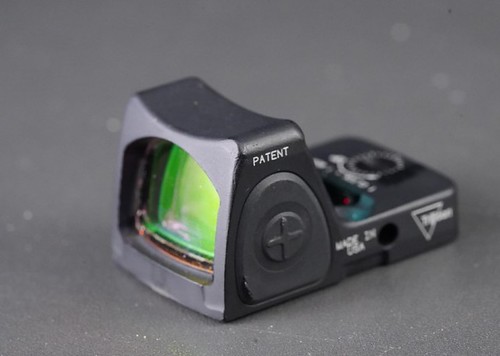
The Trijicon RMR Type 2 remains the benchmark for duty-grade pistol optics. Its reputation for surviving harsh recoil cycles and abuse makes it one of the safest choices for a Beretta PX4 Storm Full Size.
Specifications
- Footprint: RMR
- Dot Size: 3.25 MOA or 6.5 MOA
- Battery: CR2032
- Battery Life: Up to 4 years
- Housing: Forged aluminum
- Waterproof: 20 meters
Pros
- Exceptional durability
- Proven law-enforcement track record
- Crisp dot presentation
- Huge aftermarket support
Cons
- Bottom-mounted battery
- Smaller window than newer competitors
My Hands-On Notes
The RMR's deck height is relatively low, making co-witness setups easier when properly milled. I observed minimal parallax shift during practical shooting distances. The lens tint is noticeable but not distracting. Button feedback remains tactile even with gloves, and the optic handled the PX4's rotating-barrel recoil impulse without any loss of zero.
Emitter occlusion can occur in muddy or snowy environments because this is an open-emitter design. Battery replacement requires removing the optic, though torque retention generally remains excellent when reinstalled correctly.
What People Say Online
User feedback across forums, Reddit communities, and professional review outlets consistently places the RMR Type 2 among the most trusted pistol optics available. Many shooters specifically highlight long-term durability and dependable electronics.
Mounting Clarity
The PX4 generally requires slide milling or a dedicated RMR-compatible mounting solution. Once installed, compatibility is straightforward due to the widespread popularity of the RMR footprint.
-----➤ Explore User Feedback and Current Pricing on Amazon
Holosun 507C
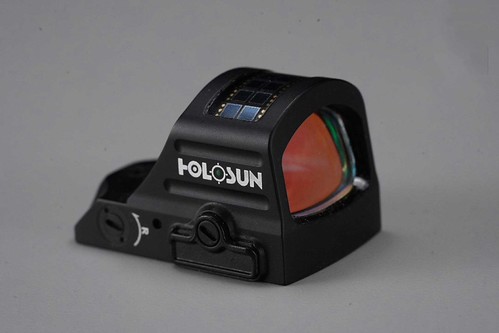
The Holosun 507C delivers tremendous value by combining advanced features with strong durability and excellent battery life.
Specifications
- Footprint: RMR-compatible
- Reticle: Multi-reticle system
- Battery: CR1632
- Solar Backup: Yes
- Housing: 7075 aluminum
- Waterproof: IP67
Pros
- Outstanding feature set
- Multiple reticle options
- Side-loading battery
- Competitive pricing
Cons
- Slightly more lens tint than premium competitors
- Controls are smaller than some shooters prefer
My Hands-On Notes
The side battery tray is one of my favorite design features because it eliminates the need to remove the optic. The buttons offer positive feedback even with gloves. During testing, parallax shift remained minimal within realistic defensive distances.
The optic sits low enough to support effective co-witness arrangements when installed correctly. Window distortion is well controlled near the edges, and the dot remains clean across brightness settings. The emitter can become obscured by debris in extreme conditions, but that is common among open-emitter optics.
What People Say Online
The 507C frequently appears in recommendations for both concealed carry and range use. Shooters often praise the balance between cost, durability, and practical functionality.
Mounting Clarity
Because it shares the RMR footprint pattern, most PX4 milling services that support the RMR also accommodate the 507C.
-----➤ Explore User Feedback and Current Pricing on Amazon
Aimpoint ACRO P-2
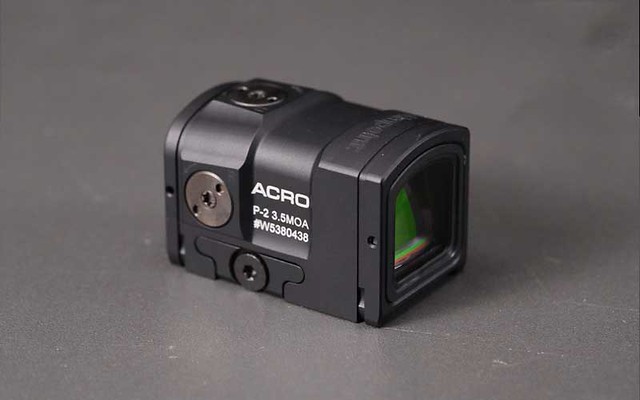
The ACRO P-2 is arguably the most rugged enclosed-emitter pistol optic currently available.
Specifications
- Footprint: ACRO
- Dot Size: 3.5 MOA
- Battery: CR2032
- Battery Life: 50,000 hours
- Enclosed Emitter: Yes
- Waterproof: 35 meters
Pros
- Fully enclosed emitter
- Incredible durability
- Excellent battery life
- Superior environmental protection
Cons
- Higher cost
- Heavier than open-emitter optics
My Hands-On Notes
The enclosed design completely eliminates emitter blockage concerns. Rain, dust, lint, and snow cannot interfere with the emitter itself. The glass quality is excellent, with very little distortion.
Button tactility is superb with gloves. Co-witnessing requires careful sight-height planning because the ACRO sits higher than many open-emitter optics. Parallax performance is among the best I've tested on a pistol optic.
The battery compartment design is exceptionally practical and allows maintenance without disturbing zero.
What People Say Online
Professional users and serious defensive shooters frequently choose the ACRO P-2 because of its durability and enclosed construction.
Mounting Clarity
The PX4 requires ACRO-compatible milling or a dedicated adapter plate. The mounting ecosystem has expanded considerably over the last few years.
-----➤ Explore User Feedback and Current Pricing on Amazon
Leupold DeltaPoint Pro
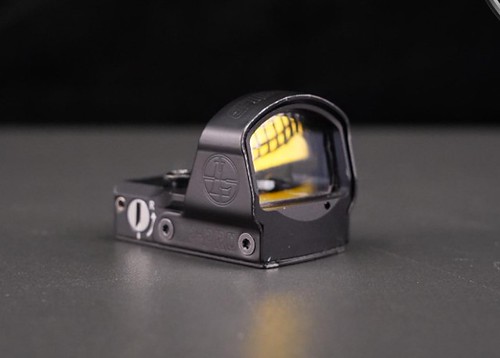
The DeltaPoint Pro remains one of the easiest optics to shoot quickly thanks to its large viewing window.
Specifications
- Footprint: DeltaPoint Pro
- Dot Sizes: 2.5 MOA and 6 MOA
- Battery: CR2032
- Top-loading battery
- Aluminum housing
- Motion-sensing technology
Pros
- Large window
- Fast target acquisition
- Top-mounted battery
- Excellent glass clarity
Cons
- Larger overall footprint
- Not as rugged as ACRO or RMR
My Hands-On Notes
The generous window size significantly helps new red-dot shooters. Lens coatings provide excellent clarity with minimal tint. The top-loading battery design is one of the most convenient systems available.
Parallax behavior remained predictable throughout testing. Co-witness capability depends heavily on the milling configuration due to the optic's dimensions. The controls are intuitive, and brightness adjustments remain easy with gloves.
Recoil handling on the PX4 platform was excellent, with no observable shifts in zero.
What People Say Online
Many shooters choose the DeltaPoint Pro for competition and defensive applications because of the expansive sight picture and ease of use.
Mounting Clarity
The DeltaPoint Pro uses its own footprint and requires dedicated milling or compatible mounting hardware.
-----➤ Explore User Feedback and Current Pricing on Amazon
Steiner MPS
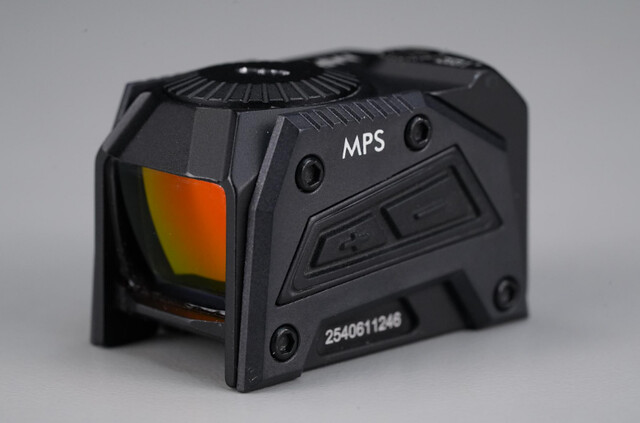
The Steiner MPS has emerged as one of the strongest enclosed-emitter competitors to the ACRO.
Specifications
- Footprint: ACRO-compatible
- Dot Size: 3.3 MOA
- Battery: CR1632
- Enclosed emitter
- Aluminum housing
- Waterproof construction
Pros
- Excellent enclosed design
- Large usable window
- Strong durability
- Competitive pricing
Cons
- Slightly bulkier profile
- More limited aftermarket support
My Hands-On Notes
The MPS presents a larger visual window than many enclosed optics. I found dot acquisition surprisingly fast despite the boxier housing. Lens tint remains relatively mild, and distortion near the edges is minimal.
Button operation is positive with gloves. The battery compartment design allows easy maintenance. Parallax shift was insignificant during defensive-speed drills, and co-witness options are readily available when paired with proper suppressor-height sights.
The enclosed emitter provides confidence during adverse weather conditions.
What People Say Online
Many users appreciate the MPS because it offers enclosed-emitter reliability without reaching the price point of some premium alternatives.
Mounting Clarity
Because it follows the ACRO footprint family, mounting solutions often overlap with ACRO-compatible milling patterns.
-----➤ Explore User Feedback and Current Pricing on Amazon
EOTECH EFLX
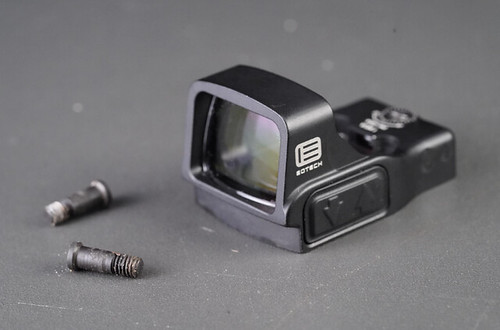
The EFLX combines a large viewing window with a footprint that simplifies compatibility for many shooters.
Specifications
- Footprint: DeltaPoint Pro
- Dot Sizes: 3 MOA and 6 MOA
- Battery: CR2032
- Top-loading battery
- Aluminum housing
- Water resistant
Pros
- Large window
- Easy battery access
- Excellent glass quality
- Fast dot acquisition
Cons
- Open emitter
- Less field history than RMR
My Hands-On Notes
The EFLX offers one of the cleanest sight pictures in the category. Window distortion is minimal, and lens coatings produce excellent color fidelity. The top-mounted battery compartment simplifies maintenance considerably.
Button tactility is good even while wearing gloves. During rapid-fire strings, the optic tracked recoil well and maintained a stable visual presentation. Parallax performance was solid, while co-witness arrangements depend on mounting height and milling depth.
Emitter occlusion remains possible because the optic uses an open-emitter design.
What People Say Online
Shooters frequently praise the large window and intuitive shooting experience. Many consider it one of the easiest optics for transitioning from iron sights.
Mounting Clarity
The EFLX uses the DeltaPoint Pro footprint, requiring corresponding slide cuts or adapter solutions.
-----➤ Explore User Feedback and Current Pricing on Amazon
How I Tested / Evaluation Criteria
Parallax Performance
I evaluated each optic by shooting from unconventional positions and intentionally moving my eye behind the window while maintaining target focus. While all red dots exhibit some degree of parallax shift, the best optics minimized point-of-impact variation at practical handgun distances.
Co-Witness and Deck Height
Deck height directly affects how easily suppressor-height sights can co-witness through the optic window. Lower-profile optics generally provide simpler integration, while enclosed-emitter designs often require taller backup sights.
Durability
I prioritized optics with established track records on reciprocating pistol slides. The PX4's rotating barrel softens recoil characteristics somewhat, but slide-mounted optics still experience substantial acceleration forces.
Battery System
Battery access matters. Side-loading and top-loading designs simplify maintenance and reduce the likelihood of disturbing zero. I also considered manufacturer battery-life claims and real-world user experiences.
Brightness Range
A quality optic must remain visible in bright sunlight while also supporting low-light environments. Consistent brightness adjustment and intuitive controls were key evaluation factors.
Glass Quality
Glass clarity influences target identification and shooting comfort. I assessed tint levels, edge distortion, coating quality, and overall visual transparency.
Controls and Ergonomics
Button size, placement, and tactile response become especially important under stress or while wearing gloves. The best optics provide immediate and confident operation.
Mounting Ecosystem
The strength of the footprint ecosystem matters. Widely supported footprints such as RMR and ACRO provide greater flexibility when selecting milling services, mounting plates, and replacement components.
How to Choose the Right Red Dot for This Gun
The PX4 Storm Full Size benefits from optics that complement its intended role. For defensive use, durability should be the primary consideration. Models like the Trijicon RMR Type 2, Aimpoint ACRO P-2, and Steiner MPS have demonstrated exceptional reliability under demanding conditions.
If your priority is speed and competition performance, larger windows often improve target acquisition. The DeltaPoint Pro and EFLX excel in this area. Their expansive viewing areas help shooters track the dot during recoil and recover sight pictures quickly.
Mounting compatibility is equally important. Because most PX4 pistols are not factory optics-ready, you'll likely be working with a slide milling service. Before purchasing an optic, confirm which footprint the milling provider supports. RMR footprints offer the broadest compatibility, while ACRO and DeltaPoint Pro footprints require dedicated cuts.
Battery access is another factor that deserves attention. Bottom-mounted batteries can be inconvenient because they require optic removal during replacement. Side-loading and top-loading systems simplify maintenance considerably.
Environmental conditions should influence your choice as well. Open-emitter optics provide lighter weight and often larger windows, but they can suffer emitter blockage from mud, rain, snow, or debris. Enclosed-emitter optics eliminate this concern entirely.
Budget also plays a role. The Holosun 507C remains one of the strongest values on the market because it combines advanced features, strong durability, and broad footprint compatibility. At the premium end, the ACRO P-2 delivers unmatched environmental protection and durability.
Ultimately, the ideal optic depends on your intended use. Duty and defensive shooters will likely favor enclosed-emitter durability, while competition shooters may prioritize larger windows and lower overall weight.
FAQs
Can you mount a red dot on a Beretta PX4 Storm Full Size?
Yes. Most installations require slide milling or a specialized mounting system because standard PX4 Full Size models are not optics-ready.
What footprint works best on the PX4?
The RMR footprint is often the easiest choice due to widespread industry support and extensive optic compatibility.
Is an enclosed-emitter optic worth it?
For defensive or duty use, enclosed emitters provide significant advantages because debris cannot block the emitter.
Will a red dot affect reliability?
A properly installed optic should not negatively affect reliability. Quality mounting work is critical.
What MOA dot size is best for the PX4?
Most shooters perform well with dots between 3 MOA and 6 MOA. Smaller dots favor precision, while larger dots improve visibility and speed.
Conclusion
Choosing the Best Red Dot For Beretta Px4 Storm Full Size ultimately comes down to balancing durability, footprint compatibility, window size, and intended use. The Trijicon RMR Type 2 remains the safest all-around recommendation, the Holosun 507C delivers outstanding value, and the Aimpoint ACRO P-2 sets the standard for enclosed-emitter performance. Regardless of which optic you select, ensuring proper mounting and footprint compatibility will have a greater impact on long-term success than chasing the newest feature set.