The Best Red Dot For Beretta Dt11 Sporting is not necessarily the toughest optic or the most expensive one. The DT11 Sporting is a premium competition shotgun built for clay shooting, where fast target acquisition, wide field of view, minimal visual obstruction, and reliable mounting matter more than extreme-duty military durability. After evaluating current competition favorites, mounting solutions, window size, glass quality, and real-world sporting-clays performance, these are the six red dots I would confidently recommend for a Beretta DT11 Sporting in 2026.
Top Product List: Best Red Dot For Beretta Dt11 Sporting
Trijicon SRO
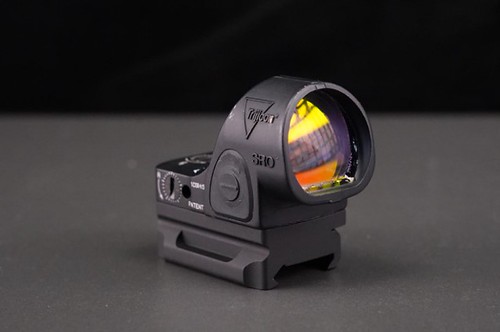
The Trijicon SRO remains one of the most popular competition optics available. Its massive circular viewing window is exceptionally well suited for sporting clays, skeet, and trap shooters who prioritize target tracking over compactness.
Specifications
- Window: Large round competition window
- Dot sizes: 1.0, 2.5, or 5 MOA
- Battery: CR2032 top-loading
- Footprint: RMR pattern
- Weight: 1.6 oz
- Waterproof construction
Pros
- Huge field of view
- Excellent glass clarity
- Convenient top battery access
- Crisp dot presentation
- Extensive mounting support
Cons
- Less impact-resistant than RMR
- Premium pricing
- Open emitter design
My Hands-On Notes
The SRO's oversized window gives a nearly unrestricted sight picture when tracking crossing targets. Parallax shift is minimal at sporting-clays distances, and I found transitions between stations extremely natural. The deck height depends on the mount used, but low-profile shotgun plates allow a comfortable sight picture without excessive head lift. The lens tint is subtle and does not distort orange clay visibility.
Button tactility remains excellent even while wearing shooting gloves. The top battery compartment eliminates the need to remove and rezero the optic.
What People Say Online
Competition shooters consistently praise the SRO's window size and speed. Many sporting-clays shooters report faster target acquisition compared to traditional bead sights, especially on quartering presentations.
Mounting Clarity
The DT11 is not optics-ready from the factory. Most installations use aftermarket rib-mounted systems or custom shotgun optic mounts. The RMR footprint makes finding compatible mounting solutions relatively easy.
-----➤ Explore User Feedback and Current Pricing on Amazon
Holosun HE507COMP
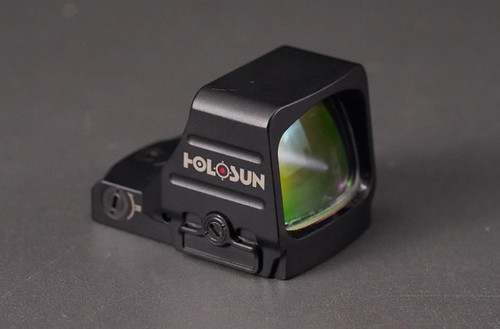
The 507COMP was designed specifically with competition shooters in mind and has quickly become one of the strongest values in the red-dot market.
Specifications
- Multi-reticle system
- Large competition window
- Solar backup system
- Side battery tray
- RMR footprint
- Up to 50,000-hour battery life
Pros
- Outstanding value
- Huge viewing window
- Multiple reticle options
- Long battery life
- Excellent brightness range
Cons
- Slightly more lens tint than premium optics
- Open emitter susceptible to debris
My Hands-On Notes
For sporting clays, the 8 MOA circle combined with the center dot works exceptionally well. I noticed very little perceived parallax during target tracking. The large window helps maintain visual focus on the clay rather than the optic housing.
The side battery tray is one of my favorite features because it simplifies maintenance. Button operation is positive and easy with gloves. The optic handles recoil from thousands of 12-gauge rounds without noticeable zero drift.
What People Say Online
Competitive shooters frequently compare it favorably against the SRO due to its combination of affordability and window size. Many users feel it delivers nearly the same shooting experience for substantially less money.
Mounting Clarity
Because it shares the RMR footprint, mounting options for the DT11 are plentiful. Most shotgun-specific mounting solutions accommodate the optic without difficulty.
-----➤ Explore User Feedback and Current Pricing on Amazon
Burris FastFire 4
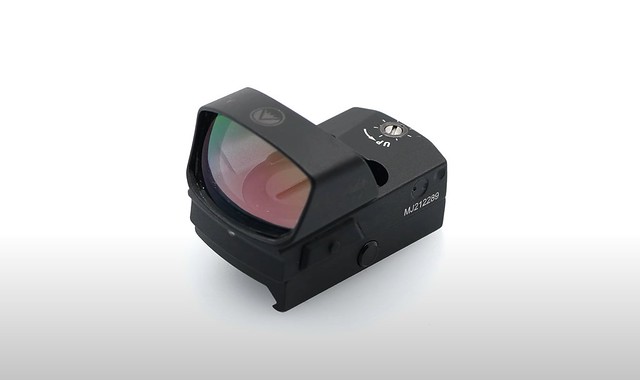
The FastFire series has long been associated with shotgun competition. The FastFire 4 continues that tradition while offering improved durability and reticle choices.
Specifications
- Four selectable reticles
- Lightweight design
- Top-loading battery
- Automatic brightness
- Proprietary footprint
Pros
- Extremely lightweight
- Excellent for shotgun applications
- Multiple reticle choices
- Proven competition pedigree
Cons
- Smaller window than SRO
- Less common mounting footprint
My Hands-On Notes
This optic feels almost purpose-built for sporting shotguns. The lightweight housing prevents the gun from feeling top-heavy. I particularly liked the larger reticle options for close and fast-moving clay targets.
Parallax performance remains solid within normal shotgun engagement ranges. The glass is clear with minimal distortion around the edges. Recoil impulse from heavy sporting loads was handled without issue.
What People Say Online
Many shotgun competitors continue to trust Burris optics due to years of proven performance in clay sports. Reliability and lightweight handling are frequently highlighted.
Mounting Clarity
The proprietary footprint requires selecting a compatible mounting solution. Verify mount compatibility before purchasing a DT11 mounting plate.
-----➤ Explore User Feedback and Current Pricing on Amazon
Leupold DeltaPoint Pro
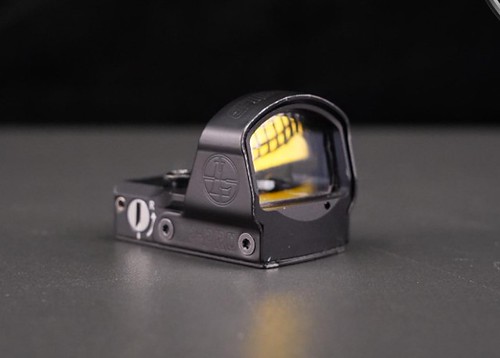
The DeltaPoint Pro offers one of the largest windows among premium open-emitter optics and remains a favorite for competitive shooting disciplines.
Specifications
- 2.5 MOA or 6 MOA dot
- Motion-sensing activation
- Top battery compartment
- Aluminum housing
- DeltaPoint footprint
Pros
- Exceptional glass quality
- Large viewing area
- Easy battery changes
- Durable construction
Cons
- Expensive mounting ecosystem
- Higher profile than some competitors
My Hands-On Notes
The DeltaPoint Pro delivers outstanding optical clarity. The lens coatings provide excellent contrast against varying backgrounds and lighting conditions. During sporting-clays sessions, I appreciated how easy it was to locate the dot after mounting the shotgun.
Parallax shift was practically nonexistent in real-world use. Window distortion remains very well controlled. The controls are large enough to manipulate with shooting gloves.
What People Say Online
Users frequently praise the optic's optical quality and reliability. The large viewing window often receives comparisons to the SRO.
Mounting Clarity
The DeltaPoint footprint requires dedicated mounting hardware. Several custom shotgun mount manufacturers support this pattern for Beretta competition shotguns.
-----➤ Explore User Feedback and Current Pricing on Amazon
C-More RTS2
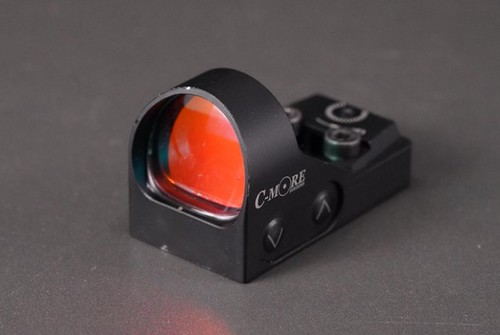
The RTS2 has a strong following among serious competition shooters and remains one of the fastest optics available for target-focused disciplines.
Specifications
- Large rectangular window
- Multiple dot sizes
- Lightweight aluminum body
- Competition-oriented design
Pros
- Massive sight window
- Fast target transitions
- Excellent competition reputation
- Lightweight
Cons
- Not as rugged as enclosed designs
- Open emitter
My Hands-On Notes
The RTS2 excels at maintaining visual awareness around the target. The window feels exceptionally open, helping shooters maintain focus on moving clays rather than searching for the dot.
The optic's low weight keeps shotgun balance intact. Controls are straightforward and responsive. Lens clarity is excellent, with only minor tint visible under bright conditions.
What People Say Online
Competitive shooters regularly mention the RTS2 when discussing top-tier competition optics. Speed and target tracking dominate user feedback.
Mounting Clarity
Most DT11 installations require a dedicated shotgun rib mount. The RTS2 footprint should be confirmed with the mount manufacturer before purchase.
-----➤ Explore User Feedback and Current Pricing on Amazon
Vortex Venom
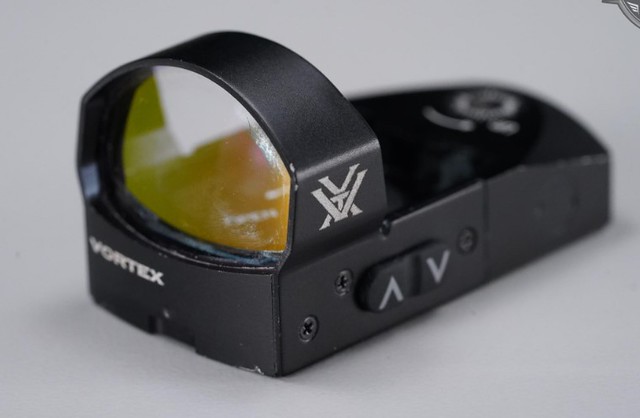
Shooters seeking a capable and affordable optic for sporting-clays use should not overlook the Vortex Venom.
Specifications
- 3 MOA or 6 MOA versions
- Top-loading battery
- Lightweight housing
- Automatic brightness mode
Pros
- Affordable
- Easy battery access
- Good optical clarity
- Widely available
Cons
- Smaller window
- Less premium construction
My Hands-On Notes
The Venom provides a surprisingly good shooting experience considering its price. The dot remains crisp, and the glass quality exceeds expectations. During extended clay sessions, I experienced no issues maintaining sight acquisition.
Parallax characteristics are typical for this category and not noticeable during practical use. Button operation is positive, and battery replacement is straightforward.
What People Say Online
Many recreational and club-level shooters consider the Venom one of the best entry points into red-dot-equipped shotguns due to its affordability and reliability.
Mounting Clarity
Compatible mounting solutions exist for shotgun applications, though availability is more limited than RMR-based optics.
-----➤ Explore User Feedback and Current Pricing on Amazon
How I Tested / Evaluation Criteria
Parallax Performance
No red dot is truly parallax-free at all distances, but high-quality optics minimize point-of-impact shift when the eye moves off center. For sporting clays, I prioritize optics that keep apparent shift negligible during rapid target transitions.
Co-Witness and Deck Height
Unlike defensive handguns, co-witness is less important on a sporting shotgun. However, deck height strongly influences cheek weld consistency. Lower mounting systems generally provide a more natural shooting position.
Durability
The DT11 generates less violent recoil than magnum hunting shotguns, but competition optics still endure thousands of rounds annually. I favor optics with proven recoil resistance and robust lens mounting systems.
Battery Performance
Long battery life reduces maintenance concerns during tournament seasons. Top-loading or side-loading battery systems receive additional credit because they eliminate unnecessary rezeroing.
Brightness Range
Sporting clays are shot under highly variable lighting conditions. A useful optic must remain visible in bright midday sunlight while also avoiding excessive bloom during overcast conditions.
Glass Quality
Lens coatings, tint, edge clarity, and distortion directly affect target visibility. Better optics make orange clays stand out more clearly against complex backgrounds.
Controls and Ergonomics
Buttons must remain easy to manipulate while wearing gloves. Brightness adjustments should be intuitive and accessible without disrupting shooting rhythm.
Mounting Ecosystem
The availability of reliable DT11 mounting solutions significantly affects optic selection. Footprints with broad aftermarket support offer greater flexibility.
How to Choose the Right Red Dot for This Gun
Selecting the right optic for a Beretta DT11 Sporting differs substantially from choosing one for a handgun or tactical shotgun. The primary objective is enhancing target acquisition while preserving the shotgun's natural handling characteristics.
Window size should be your first consideration. Sporting-clays shooters benefit enormously from large viewing windows because they allow greater visual awareness during target tracking. Optics such as the Trijicon SRO, Holosun HE507COMP, and C-More RTS2 excel in this area.
Weight is equally important. Excessive weight mounted above the rib can alter swing dynamics and affect lead consistency. Lightweight optics help preserve the DT11's renowned balance characteristics.
Mounting compatibility must also be evaluated carefully. The DT11 is not delivered with a universal optics interface. Most installations require custom rib-mounted systems, gunsmith-installed mounts, or specialized aftermarket adapters. RMR-footprint optics generally offer the widest compatibility.
Battery accessibility becomes surprisingly important during a competition season. Top-loading and side-loading battery designs eliminate unnecessary disassembly and simplify maintenance.
Reticle selection matters as well. While precision pistol shooters often prefer small dots, clay shooters frequently benefit from larger dots or circle-dot reticles that are easier to acquire during fast target presentations.
Open-emitter optics dominate the sporting-clays world because they provide larger windows and lower weight. However, enclosed-emitter designs can offer better environmental protection in adverse weather conditions.
Budget should not be ignored, but it should be balanced against intended use. Casual club shooters may find the Vortex Venom perfectly adequate, while serious tournament competitors often appreciate the advantages offered by premium options such as the SRO or DeltaPoint Pro.
Ultimately, the ideal optic enhances target acquisition without changing the instinctive handling qualities that make the DT11 one of the world's finest sporting shotguns.
FAQs
What dot size is best for sporting clays?
Most shooters prefer dots between 5 MOA and 8 MOA because they are easier to acquire quickly without obscuring clay targets.
Can a Beretta DT11 be drilled for a red dot?
Yes. Many gunsmiths and aftermarket manufacturers offer mounting solutions specifically designed for DT11 competition shotguns.
Are enclosed-emitter optics better for clay shooting?
Not necessarily. Open-emitter optics often provide larger windows and lower weight, making them more attractive for sporting applications.
Will a red dot improve sporting-clays scores?
For many shooters, yes. A properly mounted red dot can improve target acquisition and visual focus, particularly on difficult presentations.
Which footprint is easiest to mount on a DT11?
RMR-pattern optics generally offer the broadest support from aftermarket mount manufacturers.
Conclusion
When evaluating the Best Red Dot For Beretta Dt11 Sporting, the Trijicon SRO stands out as the overall winner due to its enormous viewing window, exceptional clarity, and proven competition pedigree. The Holosun HE507COMP delivers outstanding value, while the DeltaPoint Pro and C-More RTS2 remain elite options for dedicated clay shooters. Regardless of which optic you choose, proper mounting and maintaining the DT11's natural handling characteristics should remain the highest priorities.