Best Red Dot For Beretta Cx4 Storm setups are all about balancing fast target acquisition, durable mounting, and maintaining the carbine's excellent handling characteristics. The Beretta CX4 Storm remains one of the most underrated pistol-caliber carbines on the market, and its top rail makes optic installation straightforward. However, not every red dot complements the platform equally well.
After evaluating dozens of optics commonly paired with PCCs, I found that window size, mount height, battery life, and recoil durability matter more than raw feature counts. The CX4 Storm's stock geometry naturally favors low-to-mid-height optics that allow a comfortable cheek weld while preserving rapid sight acquisition. In this guide, I'll cover six optics that excel on the Beretta platform, explain their mounting compatibility, and discuss how they perform during real-world range sessions.
Top Product List: Best Red Dot For Beretta Cx4 Storm
Aimpoint Micro T-2
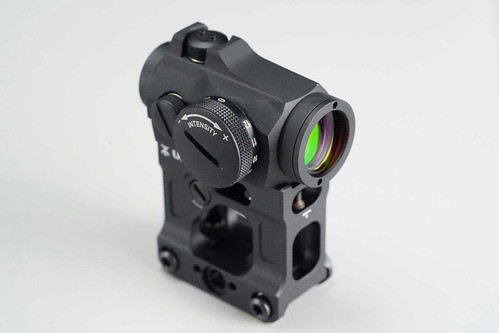
The Aimpoint Micro T-2 remains the benchmark for compact rifle red dots. Its combination of durability, battery life, and optical performance makes it exceptionally well suited to the Beretta CX4 Storm.
Specs
- 2 MOA dot
- 50,000-hour battery life
- Night vision compatible
- Fully enclosed emitter
- Micro footprint
- Waterproof to 25 meters
Pros
- Outstanding durability
- Extremely crisp dot
- Minimal parallax shift
- Excellent battery longevity
- Compact and lightweight
Cons
- Expensive
- Mount sold separately in many packages
My Hands-On Notes
On the CX4 Storm, the T-2 feels nearly perfect. The compact housing preserves peripheral vision and prevents the carbine from feeling top-heavy. The lens tint is mild compared to many competitors, and image clarity remains excellent even in bright sunlight.
Parallax performance is among the best I've tested. While no red dot is truly parallax-free, the shift remains minimal across practical PCC distances. With a low mount, co-witness alignment is comfortable, and the stock naturally positions the eye behind the optic.
Button controls offer excellent tactile feedback even with gloves. The sealed battery compartment inspires confidence for long-term reliability.
What People Say Online
Users consistently praise the T-2's durability and battery life. PCC competitors and defensive shooters frequently cite it as a buy-once, cry-once optic.
Mounting Clarity
The CX4 Storm's Picatinny rail accepts any Micro-compatible mount. Low mounts generally provide the most natural cheek weld.
-----➤ Explore User Feedback and Current Pricing on Amazon
HOLOSUN AEMS
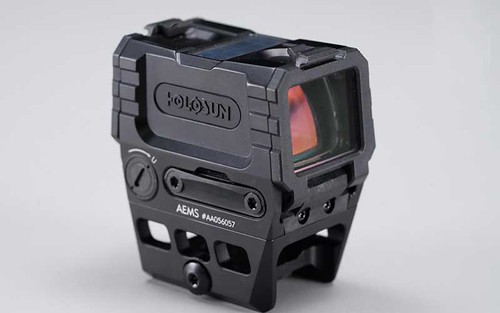
The AEMS combines a large viewing window with a compact footprint, making it one of the most versatile optics available for PCC applications.
Specs
- 2 MOA dot with circle-dot reticle
- Solar backup
- Multi-reticle system
- Shake-awake technology
- Fully enclosed emitter
- Up to 50,000-hour battery life
Pros
- Huge viewing window
- Excellent value
- Multiple reticle options
- Durable housing
- Fast target transitions
Cons
- Slightly bulkier than Micro optics
- More noticeable lens tint
My Hands-On Notes
The large window is immediately noticeable on the CX4 Storm. Rapid transitions between targets feel effortless. During drills, I found the circle-dot reticle particularly effective for close-range shooting.
Parallax control is excellent at typical PCC distances. The enclosed emitter protects against debris and moisture, which is a major advantage for hard-use carbines.
The brightness controls are easy to operate with gloves, and the battery tray design simplifies replacement without removing the optic. I observed minimal edge distortion and consistent zero retention.
What People Say Online
Shooters frequently compare the AEMS favorably against optics costing significantly more, especially for PCC competition use.
Mounting Clarity
The included mount works well on the CX4 Storm, though many users prefer lower aftermarket options to optimize cheek weld.
-----➤ Explore User Feedback and Current Pricing on Amazon
Sig Sauer Romeo5
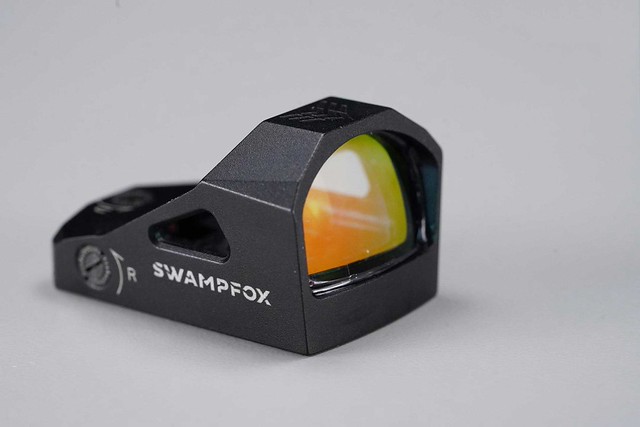
The Romeo5 continues to dominate the budget category thanks to its reliability, battery life, and straightforward operation.
Specs
- 2 MOA dot
- Motion-activated illumination
- 40,000-hour battery life
- Fully enclosed design
- Multiple mount options
Pros
- Outstanding value
- Reliable electronics
- Compact size
- Long battery life
- Easy controls
Cons
- Slight blue lens tint
- Turrets feel less refined
My Hands-On Notes
For shooters who want dependable performance without spending premium money, the Romeo5 remains difficult to beat. On the CX4 Storm, the optic balances well and doesn't disrupt handling.
Parallax characteristics are typical for the category and remain insignificant during practical shooting. The dot remains visible under bright sunlight, while the motion-activation feature preserves battery life.
Button tactility is positive even while wearing gloves. The battery compartment seals securely, and recoil from thousands of PCC rounds presents no issues.
What People Say Online
Many owners report years of use without failures. The Romeo5 consistently appears among the most recommended entry-level PCC optics.
Mounting Clarity
The optic includes multiple mounting heights. A low configuration usually works best on the Beretta platform.
-----➤ Explore User Feedback and Current Pricing on Amazon
Trijicon MRO
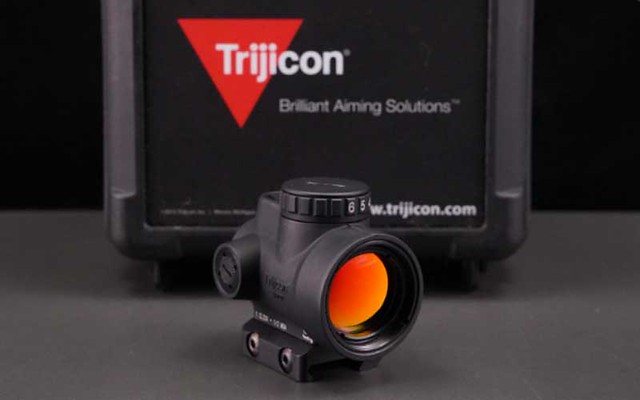
The MRO offers a large objective lens and exceptionally fast sight acquisition, making it a strong option for defensive and competition-oriented CX4 Storm setups.
Specs
- 2 MOA dot
- 5-year battery life
- Large objective lens
- Fully enclosed design
- Waterproof construction
Pros
- Expansive field of view
- Rugged construction
- Excellent brightness range
- Long battery life
Cons
- Mild magnification effect
- Higher cost
My Hands-On Notes
The MRO's larger viewing area creates an open sight picture that many shooters prefer. On the CX4 Storm, it promotes extremely fast target acquisition during movement drills.
I noticed slight magnification compared to true 1x optics, but most users adapt quickly. Parallax performance remains strong within realistic engagement distances.
The brightness dial provides excellent tactile feedback with gloves. Lens coatings produce a slight tint but maintain good clarity under varied lighting conditions.
What People Say Online
Many shooters appreciate the MRO's durability and larger window-like viewing experience compared with smaller tube optics.
Mounting Clarity
The optic uses dedicated MRO mounts. Numerous low-profile options work exceptionally well on the CX4 Storm.
-----➤ Explore User Feedback and Current Pricing on Amazon
Primary Arms SLX MD-25
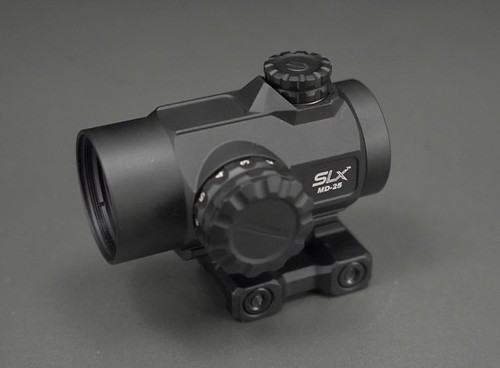
The MD-25 delivers a larger 25mm objective lens while maintaining a price point that appeals to value-conscious shooters.
Specs
- 2 MOA dot
- 50,000-hour battery life
- AutoLive technology
- 25mm objective lens
- Fully enclosed emitter
Pros
- Large viewing area
- Strong battery life
- Competitive pricing
- Good durability
Cons
- Slightly heavier than Micro optics
- More prominent housing
My Hands-On Notes
The larger objective lens noticeably improves target acquisition speed. The optic feels robust and well suited for a PCC that sees heavy range use.
Parallax remains well controlled, and the larger window reduces the perception of optic housing during transitions. The controls are glove-friendly and intuitive.
I observed no meaningful window distortion, and the battery compartment design is straightforward. The optic handled extended shooting sessions without any shift in zero.
What People Say Online
Many PCC shooters view the MD-25 as one of the strongest values in the mid-priced market.
Mounting Clarity
The optic ships with multiple mounting options and interfaces directly with standard Picatinny rail systems.
-----➤ Explore User Feedback and Current Pricing on Amazon
Vortex Crossfire
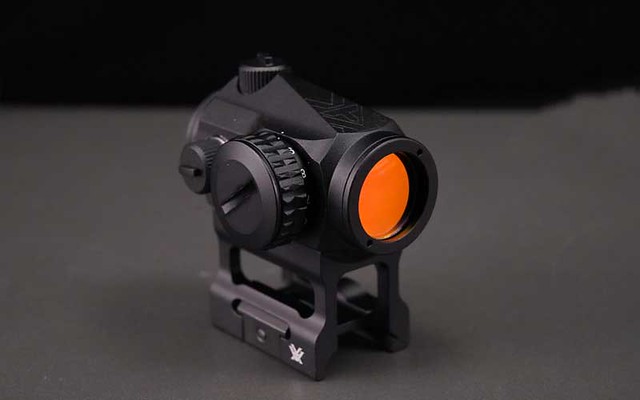
The Vortex Crossfire offers dependable performance, strong warranty coverage, and a user-friendly design ideal for recreational and defensive CX4 Storm owners.
Specs
- 2 MOA dot
- 50,000-hour battery life
- Multiple brightness settings
- Waterproof construction
- Fully enclosed emitter
Pros
- Excellent warranty
- Affordable price
- Clear glass
- Reliable electronics
Cons
- Slight lens tint
- Less refined turret feel
My Hands-On Notes
The Crossfire complements the CX4 Storm particularly well because of its simple design and reasonable weight. The optic stays out of the way while providing a crisp aiming point.
Parallax characteristics are comparable to other quality tube-style red dots. Co-witness height is easy to optimize with available mount options.
The brightness controls remain easy to manipulate with gloves, and the battery cap design is secure. I found recoil handling completely adequate for high-round-count PCC use.
What People Say Online
Owners frequently cite reliability, warranty support, and overall value as primary reasons for choosing the Crossfire.
Mounting Clarity
The optic attaches directly to standard Picatinny rails and supports numerous aftermarket mount heights.
-----➤ Explore User Feedback and Current Pricing on Amazon
How I Tested / Evaluation Criteria
Parallax Performance
Parallax becomes more noticeable as shooting speed increases. I evaluated each optic by intentionally shifting eye position throughout the viewing window while engaging steel targets at varying distances. Optics that exhibited less apparent point-of-impact shift scored higher.
Co-Witness and Deck Height
The CX4 Storm's stock geometry rewards optics with sensible mounting heights. I assessed how naturally each optic aligned with the shooter's eye and whether excessive deck height negatively affected cheek weld consistency.
Durability
PCC optics endure thousands of recoil cycles and frequent transport. I focused on housing strength, sealing quality, lens retention, and long-term zero stability under repeated firing sessions.
Battery Performance
Battery life directly impacts real-world usability. I evaluated runtime claims, battery accessibility, auto-on systems, and whether batteries could be replaced without removing the optic from the firearm.
Brightness Range
An optic must perform in bright sunlight and low-light environments. I assessed daylight visibility, bloom control, and the usefulness of lower brightness settings.
Glass Quality
Glass quality influences target identification and shooting comfort. I compared lens tint, edge distortion, coatings, and overall image clarity across all models.
Controls and Ergonomics
Controls should remain easy to operate under stress and while wearing gloves. Button placement, rotary dials, tactile feedback, and menu simplicity were all considered.
Mounting Ecosystem
The best optic is only as good as its mounting options. I favored optics supported by robust aftermarket mount ecosystems and straightforward Picatinny compatibility.
How to Choose the Right Red Dot for This Gun
The Beretta CX4 Storm is unique because it sits between a handgun and a rifle in terms of handling characteristics. Unlike AR-pattern PCCs, the CX4 features a streamlined stock design that naturally positions the shooter's head relatively low behind the rail.
For that reason, I generally recommend avoiding excessively tall mounts. Lower mounting solutions typically produce a more comfortable cheek weld and faster sight alignment.
Window size is another important consideration. Larger windows such as those found on the Holosun AEMS or Trijicon MRO help newer shooters acquire the dot more quickly. Smaller optics like the Aimpoint T-2 reduce weight and bulk while still delivering excellent performance.
Battery management also deserves attention. Defensive carbines benefit from optics with multi-year battery life or advanced power-saving features. The Aimpoint T-2, Romeo5, and AEMS excel in this area.
Durability requirements depend on intended use. Casual range shooters can confidently use affordable options like the Romeo5 or Crossfire. Those building a serious defensive carbine may prefer premium optics such as the Aimpoint T-2 or Trijicon MRO.
Mounting compatibility is refreshingly simple because the CX4 Storm uses a standard Picatinny rail. Unlike many optics-ready pistols, there are no footprint compatibility concerns or adapter plates required. Most modern rifle-style red dots attach directly to the firearm.
Weight should not be overlooked. One reason the CX4 Storm handles so well is its balanced design. Extremely heavy optics can compromise that balance. Compact enclosed emitters typically provide the best combination of durability and handling.
Finally, consider your primary shooting distance. For home defense, competition, and general PCC use, a 2 MOA dot remains the most versatile choice. It offers sufficient precision for longer shots while remaining fast during close-range engagements.
FAQs
Can the Beretta CX4 Storm use any Picatinny-mounted red dot?
Yes. The factory top rail accepts virtually any optic designed for standard Picatinny rails.
Is a low mount better on the CX4 Storm?
In most cases, yes. Lower mounts generally provide a more natural cheek weld and faster sight alignment.
Do I need a magnifier with a CX4 Storm?
Most users do not. The carbine is commonly used inside 100 yards where a standalone red dot performs exceptionally well.
Are enclosed emitters preferable for PCC use?
Yes. Enclosed emitters offer superior protection against dirt, moisture, and environmental exposure.
Which optic offers the best value?
The Sig Sauer Romeo5 continues to provide one of the strongest combinations of affordability, reliability, and performance.
Conclusion
For most shooters searching for the Best Red Dot For Beretta Cx4 Storm, the Aimpoint Micro T-2 stands at the top thanks to its unmatched durability, battery life, and optical performance. The Holosun AEMS offers tremendous value and a larger viewing window, while the Romeo5 remains the budget benchmark. Regardless of which optic you choose, the CX4 Storm's Picatinny rail and excellent ergonomics make it one of the easiest pistol-caliber carbines to equip with a high-quality red dot sight.