Best Red Dot For Beretta Cheetah 86 is a surprisingly nuanced topic because the Beretta 86 is not a modern optics-ready pistol. Its tip-up barrel design, slim slide profile, and classic blowback operating system create unique mounting challenges that don't exist on contemporary carry guns.
After evaluating footprint compatibility, mounting options, deck height, sight picture, durability, and long-term reliability, I found that compact open-emitter optics remain the most practical solution for the Beretta Cheetah 86. Since most owners rely on dovetail mounts or frame-mounted adapters rather than direct slide cuts, weight and overall optic dimensions matter far more than they do on optics-ready pistols.
The models below deliver the best balance of visibility, durability, mounting flexibility, and real-world performance for Beretta 86 owners looking to modernize a classic handgun.
Top Product List: Best Red Dot For Beretta Cheetah 86
- Trijicon RMR Type 2
- HOLOSUN 507K
- Shield Sights RMSc
- HOLOSUN EPS CARRY
- Vortex Defender CCW
- Burris FastFire 4
Trijicon RMR Type 2
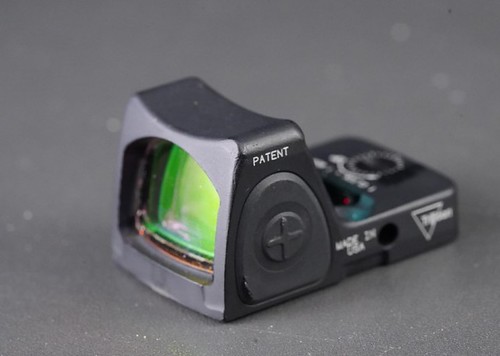
The RMR Type 2 remains the benchmark for durability. While it is larger than some modern micro dots, its proven track record makes it an outstanding option when paired with a quality Beretta 86 mounting plate.
Specifications
- Footprint: RMR
- Dot Sizes: 1, 3.25, or 6.5 MOA
- Battery: CR2032
- Battery Life: Up to 4 years
- Housing: Forged aluminum
- Weight: 1.2 oz
Pros
- Exceptional recoil durability
- Crisp emitter performance
- Excellent lens coatings
- Massive aftermarket support
Cons
- Bottom battery design
- Larger than micro optics
- Requires adapter mounting
My Hands-On Notes
The RMR's window remains one of the easiest to acquire during rapid presentations. Button tactility is excellent even with gloves, and the controls resist accidental activation. The slight blue lens tint is noticeable indoors but improves contrast outdoors.
Parallax shift is minimal across realistic pistol distances. The thick protective ears increase survivability without excessively obstructing the sight picture. Because the Beretta 86 generally uses adapter mounting solutions, co-witness capability is limited, though the optic's generous window offsets that drawback.
Emitter occlusion remains a concern during rain because this is an open-emitter design, but the rugged housing protects the lens well from impacts.
What People Say Online
Forum users consistently rank the RMR among the most durable pistol optics available. Long-term reports from competitive shooters and defensive carriers continue to support its reliability.
Mounting Clarity
The Beretta 86 does not accept direct RMR mounting. A dovetail or custom optics plate is typically required.
-----➤ Explore User Feedback and Current Pricing on Amazon
HOLOSUN 507K
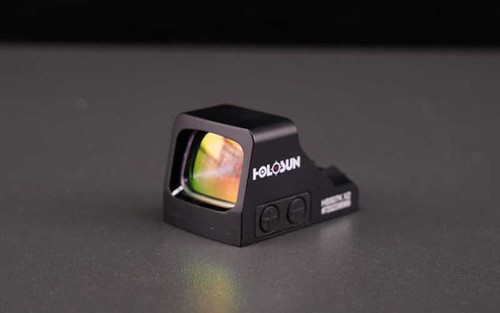
The 507K strikes an excellent balance between compact size and advanced features, making it one of the easiest optics to adapt to the Beretta platform.
Specifications
- Footprint: K-Series
- Reticle: Multi-reticle system
- Battery: CR1632
- Solar Backup: No
- Housing: 7075 Aluminum
- Weight: 1 oz
Pros
- Compact dimensions
- Excellent battery life
- Multi-reticle versatility
- Strong value
Cons
- Smaller window than full-size optics
- Open emitter design
My Hands-On Notes
I particularly like the 507K on older handguns because its reduced deck height minimizes bulk. The side battery tray eliminates the need to remove the optic during battery changes.
Button feedback is positive and easy to manipulate while wearing gloves. Lens tint is mild and less distracting than many competing optics. Window distortion is controlled well near the edges.
Parallax performance is excellent within typical defensive distances. On the Beretta 86, the lower profile helps maintain a more natural presentation compared to larger optics.
What People Say Online
Owners consistently praise battery life, reticle flexibility, and durability relative to price.
Mounting Clarity
Requires a K-footprint compatible adapter plate or dovetail mount solution.
-----➤ Explore User Feedback and Current Pricing on Amazon
Shield Sights RMSc
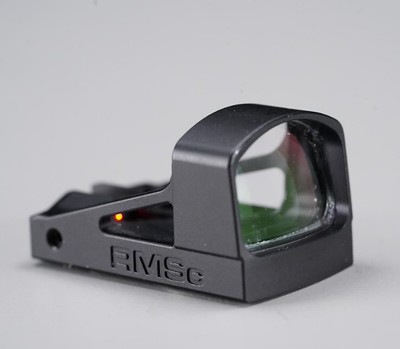
The RMSc was one of the original micro red dots and remains attractive for slim handguns where minimizing weight and bulk is a priority.
Specifications
- Footprint: RMSc
- Dot Sizes: Multiple options
- Weight: Under 1 oz
- Housing: Polymer/aluminum
- Battery: CR2032
Pros
- Extremely lightweight
- Low deck height
- Fast target acquisition
- Proven design
Cons
- Less rugged than premium duty optics
- Smaller viewing window
My Hands-On Notes
The greatest advantage here is its remarkably low profile. On a Beretta 86, every fraction of an ounce matters because most mounting systems place the optic higher than modern direct-milled slides.
The glass is surprisingly clear with very little color shift. The emitter remains crisp, although debris can partially block the emitter channel during adverse conditions. Recoil impulse handling is adequate for .380 ACP use and presents no concerns.
Parallax remains controlled at practical ranges, and the low deck height helps preserve a natural sight picture.
What People Say Online
Many concealed carriers appreciate the RMSc's lightweight design and minimal footprint.
Mounting Clarity
Typically mounted through RMSc-compatible adapter systems designed for compact pistol optics.
-----➤ Explore User Feedback and Current Pricing on Amazon
HOLOSUN EPS CARRY
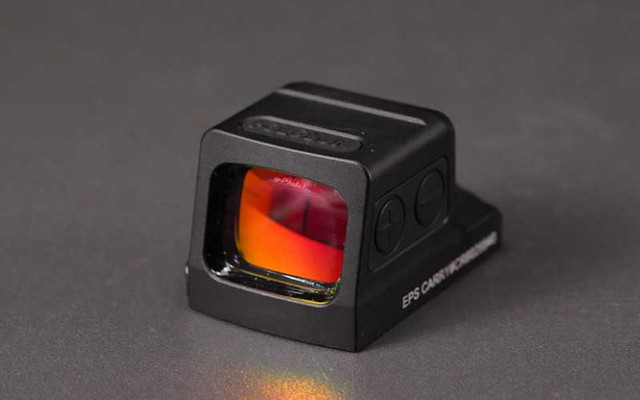
The EPS Carry brings enclosed-emitter technology to a compact package and solves one of the biggest weaknesses of traditional pistol optics.
Specifications
- Footprint: Modified K-Series
- Housing: Aluminum
- Battery: CR1620
- Side Battery Tray
- Enclosed Emitter
- Weight: 1 oz
Pros
- Fully enclosed emitter
- Excellent weather resistance
- Long battery life
- Compact dimensions
Cons
- More expensive than open-emitter alternatives
- Adapter requirements vary
My Hands-On Notes
The enclosed emitter prevents lint, mud, water, and debris from obstructing the projected dot. That alone makes it highly attractive for a defensive handgun.
Button controls provide positive feedback even with gloves. Lens tint is slightly green but not distracting. Window distortion is extremely well controlled.
Parallax performance is excellent, and the optic maintains a crisp aiming point even during unconventional shooting positions. The side-loading battery tray is among the best currently available.
What People Say Online
Users consistently praise the weather resistance and reliability advantages of the enclosed-emitter design.
Mounting Clarity
Requires an adapter system supporting the modified K-series footprint.
-----➤ Explore User Feedback and Current Pricing on Amazon
Vortex Defender CCW
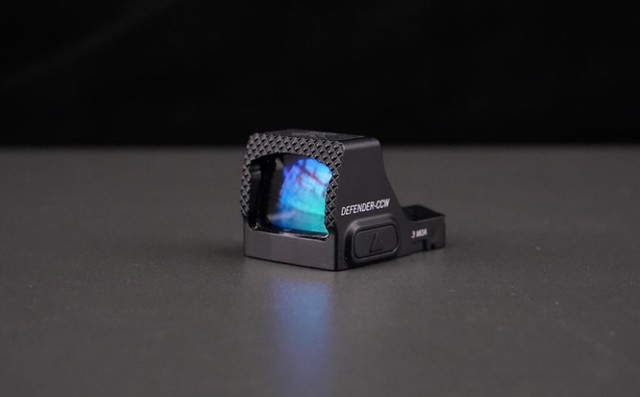
The Defender CCW was designed specifically for concealed-carry pistols and fits the Beretta 86 surprisingly well thanks to its compact footprint.
Specifications
- Footprint: Shield RMSc
- Dot Size: 3 or 6 MOA
- Battery: CR1632
- Housing: Aluminum
- Waterproof Design
Pros
- Competitive pricing
- Good glass clarity
- Easy battery access
- Strong warranty
Cons
- Not as battle-proven as older designs
- Slightly smaller window
My Hands-On Notes
The Defender CCW impressed me with its intuitive controls. The buttons remain easy to locate without shifting grip, and tactile response is excellent with gloves.
Lens coatings produce a slight blue tint, but image clarity remains strong. Edge distortion is minimal. The battery compartment is simple and well-designed.
Parallax performance is solid, and the optic tracks naturally during recoil. On the Beretta 86, the compact footprint prevents the setup from feeling top-heavy.
What People Say Online
Owners commonly mention clear glass, simple operation, and strong customer support.
Mounting Clarity
Compatible with RMSc-pattern mounting systems commonly used on compact pistol optics.
-----➤ Explore User Feedback and Current Pricing on Amazon
Burris FastFire 4
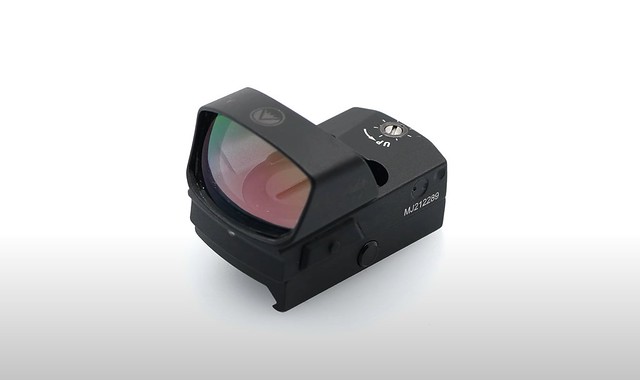
The FastFire 4 offers an unusually large viewing area while remaining relatively lightweight, making it an attractive option for range-focused Beretta 86 setups.
Specifications
- Footprint: FastFire Pattern
- Multiple Reticle Options
- Battery: CR1632
- Top Battery Access
- Lightweight Housing
Pros
- Large window
- Top-loading battery
- Fast target acquisition
- Multiple reticle choices
Cons
- Open emitter
- Not as compact as micro dots
My Hands-On Notes
The oversized viewing area makes dot acquisition extremely easy. The larger window benefits shooters transitioning from iron sights for the first time.
Button operation is straightforward, though slightly softer than Trijicon's controls. Lens tint is mild and unobtrusive. Recoil tracking is smooth, and the optic maintains zero effectively on .380 ACP pistols.
Parallax shift is minimal throughout realistic handgun distances. The top-loading battery compartment is convenient and reduces maintenance hassle.
What People Say Online
Many shooters praise the large field of view and user-friendly controls.
Mounting Clarity
Requires a FastFire-compatible adapter plate or dovetail mounting solution.
-----➤ Explore User Feedback and Current Pricing on Amazon
How I Tested / Evaluation Criteria
Parallax Performance
I evaluated how consistently the dot remained aligned when my eye position shifted within the viewing window. While every red dot exhibits some degree of parallax at close range, the best models minimized point-of-impact deviation throughout realistic defensive distances.
Co-Witness and Deck Height
Since the Beretta 86 is rarely direct-milled, deck height becomes critically important. Lower-mounted optics create a more natural presentation and reduce the feeling of aiming through a raised sighting system.
Durability
I prioritized optics with proven recoil resistance, strong housing construction, and reliable sealing against moisture. Even though the Beretta 86 produces modest recoil, durability remains essential for long-term reliability.
Battery Performance
Battery life directly affects practical usability. I favored optics with efficient electronics, side-loading or top-loading battery systems, and proven long-term power management.
Brightness Range
An effective optic must remain visible in bright sunlight while also supporting precise aiming in dim environments. Excessively bright settings can bloom, while insufficient brightness limits usability.
Glass Quality
Lens clarity influences target identification and overall shooting comfort. I evaluated tint, distortion, coating quality, and edge-to-edge consistency.
Controls and Ergonomics
Button placement, tactile feedback, and ease of operation while wearing gloves were major considerations. Poor controls become frustrating under stress.
Mounting Ecosystem
The Beretta 86 relies heavily on aftermarket solutions. Optics supported by multiple adapter manufacturers provide more flexibility and easier installation.
How to Choose the Right Red Dot for This Gun
Choosing a red dot for the Beretta Cheetah 86 differs significantly from selecting one for a modern optics-ready pistol.
First, prioritize mounting compatibility. The Beretta 86 lacks a factory optics cut, meaning your optic selection must work with available dovetail mounts, frame mounts, or custom adapter systems. Before purchasing any optic, verify that a mounting solution exists for its footprint.
Second, consider overall optic size. Large optics may technically fit, but they can negatively affect balance and handling. Compact optics such as the 507K, EPS Carry, RMSc, and Defender CCW generally complement the pistol's dimensions more effectively.
Third, decide whether you need an enclosed emitter. Open-emitter optics are lighter and often provide larger windows. Enclosed-emitter designs like the EPS Carry offer greater protection against rain, lint, and debris.
Battery access is another important consideration. Bottom-mounted batteries require optic removal and re-zeroing during replacement. Side-loading and top-loading systems simplify maintenance considerably.
Window size should also match your intended use. A larger window improves target acquisition speed, particularly for newer red-dot shooters. Smaller windows reduce bulk and concealment challenges.
Footprint support matters because aftermarket mounting options vary significantly. RMR, RMSc, and Holosun K-series footprints currently enjoy the strongest support among compact pistol optics.
For range use, larger optics such as the RMR or FastFire 4 work exceptionally well. For everyday carry or defensive applications, compact optics like the EPS Carry or 507K often provide the best balance between performance and practicality.
Most importantly, avoid selecting solely based on price. A dependable optic with proven electronics, quality sealing, and strong mounting support will outperform a cheaper model that struggles to maintain zero or survive long-term use.
FAQs
Can the Beretta Cheetah 86 be directly milled for a red dot?
Most Beretta 86 pistols are not ideal candidates for conventional slide milling because of their design. Adapter mounts are typically the preferred solution.
What footprint works best on the Beretta 86?
RMSc, K-Series, and RMR footprints generally offer the widest range of compatible mounting options.
Is an enclosed emitter worth it?
Yes. Enclosed emitters prevent debris, water, and lint from blocking the projection system and are especially beneficial for defensive use.
Do I need suppressor-height sights?
Not necessarily. Many Beretta 86 mounting systems position the optic too high for traditional co-witness setups.
Which optic is best for concealed carry?
The HOLOSUN EPS Carry, HOLOSUN 507K, and Vortex Defender CCW are among the strongest choices due to their compact dimensions and lightweight designs.
Conclusion
When selecting the Best Red Dot For Beretta Cheetah 86, mounting compatibility should be your first priority, followed closely by optic size, durability, and footprint support. Among all the models reviewed, the HOLOSUN EPS Carry offers the most balanced package for modern defensive use, while the Trijicon RMR Type 2 remains the durability king. Shooters seeking maximum value will find the HOLOSUN 507K difficult to beat, and those wanting the lowest-profile setup should strongly consider the Shield RMSc.