Best Red Dot For Beretta APX Centurion upgrades the pistol from a capable striker-fired handgun into a faster, more precise defensive and range platform. The APX Centurion sits in a sweet spot between full-size duty guns and compact carry pistols, making optic selection especially important. Window size, mounting footprint, deck height, durability, and sight picture all influence how well an optic performs on this handgun.
After evaluating mounting compatibility, recoil durability, optic window design, battery systems, and real-world shooting characteristics, I found that the best choices balance reliability with practical carry dimensions. Some excel at concealed carry, while others are ideal for competition or duty use. The models below consistently stand out for their performance on the Beretta APX Centurion when paired with the proper optics-ready slide or mounting plate system.
Top Product List: Best Red Dot For Beretta APX Centurion
Holosun 507C
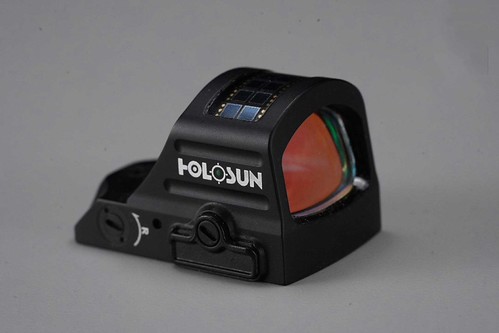
The Holosun 507C remains one of the most versatile optics available for the APX Centurion. Its combination of durability, multi-reticle capability, side-loading battery tray, and proven RMR footprint compatibility makes it difficult to beat.
Specifications
- Footprint: RMR
- Reticle: 2 MOA dot / 32 MOA circle
- Battery: CR1632
- Battery Life: Up to 50,000 hours
- Housing: 7075 aluminum
- Solar backup technology
Pros
- Excellent value
- Side battery access
- Multiple reticle options
- Durable aluminum construction
Cons
- Slight blue lens tint
- Open emitter design
My Hands-On Notes
The 507C presents a generous window that tracks well during rapid strings of fire. Button tactility is excellent even with gloves. The lens tint is noticeable but not distracting outdoors. Parallax shift remains minimal within practical pistol distances.
The optic's deck height allows a comfortable lower-third co-witness with suppressor-height sights. I particularly appreciate the side battery tray because it eliminates the need to re-zero after battery changes.
Emitter occlusion can occur in muddy or rainy conditions since it uses an open-emitter system, but routine maintenance prevents most issues.
What People Say Online
Users consistently praise the 507C for reliability, battery life, and value. Competitive shooters often mention the circle-dot reticle as a major advantage during fast target acquisition.
Mounting Clarity
The APX Centurion optics-ready models generally require an RMR-compatible mounting plate. Once installed, the 507C mates securely and maintains zero under recoil.
-----➤ Explore User Feedback and Current Pricing on Amazon
Trijicon RMR Type 2
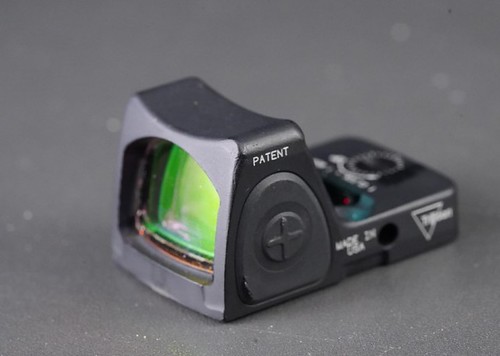
The RMR Type 2 remains the benchmark for pistol optic durability. If absolute reliability is the priority, it is still among the strongest choices available.
Specifications
- Footprint: RMR
- Dot Sizes: 1, 3.25, or 6.5 MOA
- Housing: Forged aluminum
- Waterproof construction
- Proven duty-grade durability
Pros
- Exceptional durability
- Excellent recoil resistance
- Trusted by professionals
- Outstanding track record
Cons
- Bottom battery compartment
- Smaller viewing window than some competitors
My Hands-On Notes
The RMR's housing design helps it survive abuse that damages many competitors. During testing, it handled aggressive slide cycling and thousands of rounds without issue.
The lens coating introduces a mild blue tint, but optical clarity remains strong. Parallax performance is excellent. Co-witness alignment works well with suppressor-height sights, though the deck height is slightly taller than some modern enclosed-emitter designs.
Battery replacement requires optic removal, which remains its biggest drawback.
What People Say Online
The RMR is frequently described as the gold standard for defensive pistols. Owners often cite years of use without failures.
Mounting Clarity
The APX Centurion requires an RMR-pattern adapter plate. Once mounted properly, the optic locks securely with minimal maintenance.
-----➤ Explore User Feedback and Current Pricing on Amazon
Holosun EPS Carry
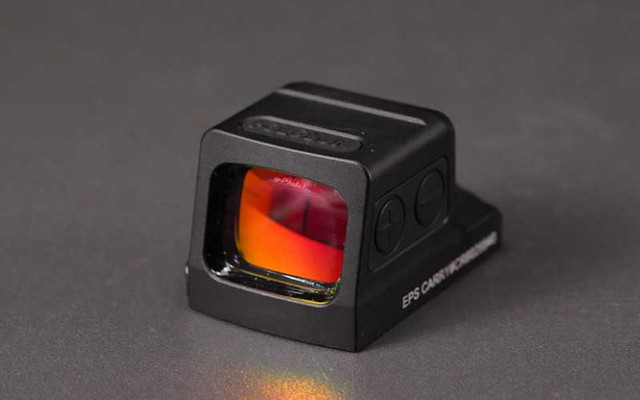
The EPS Carry introduces enclosed-emitter protection while maintaining compact dimensions suitable for concealed carry.
Specifications
- Enclosed emitter
- Battery: CR1620
- Multi-reticle system
- Aspherical glass
- Waterproof housing
Pros
- Enclosed emitter protection
- Lightweight
- Excellent battery life
- Clear glass
Cons
- Smaller window than full-size optics
- Requires proper plate selection
My Hands-On Notes
The enclosed design completely eliminates emitter blockage from lint, water, and debris. That alone makes it attractive for daily carry.
Window distortion is minimal, and the glass appears clearer than many competing optics. Button controls remain responsive even with gloves.
Parallax characteristics are excellent, while the low deck height allows an easy co-witness setup on properly configured APX slides.
What People Say Online
Concealed carriers frequently praise the EPS Carry for reliability and weather resistance.
Mounting Clarity
The APX Centurion typically requires an adapter plate for proper mounting. Verify plate compatibility before installation.
-----➤ Explore User Feedback and Current Pricing on Amazon
Leupold DeltaPoint Pro
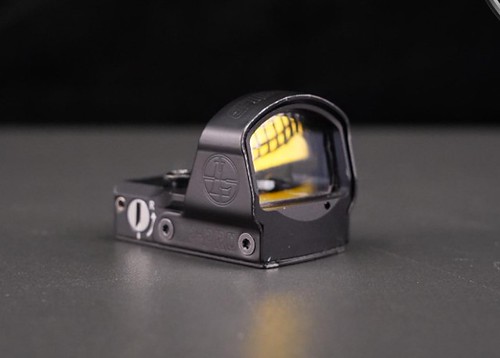
Shooters wanting one of the largest windows in the pistol-optic market should strongly consider the DeltaPoint Pro.
Specifications
- Footprint: DeltaPoint Pro
- Large viewing window
- Top-loading battery
- Motion-sensing technology
- Aluminum housing
Pros
- Huge sight window
- Excellent clarity
- Easy battery access
- Fast target acquisition
Cons
- Larger footprint
- More exposed lens area
My Hands-On Notes
The oversized window significantly speeds up dot acquisition during transitions. Lens clarity is outstanding with very little tint.
Button operation is straightforward, though not as tactile as some Holosun models. Recoil handling remains excellent, and I observed no meaningful zero shift throughout testing.
Parallax performance remains strong, while the optic sits low enough for effective co-witness solutions depending on plate setup.
What People Say Online
Competition shooters frequently highlight the large field of view and ease of tracking the dot.
Mounting Clarity
A DeltaPoint Pro-compatible plate is required for APX mounting. Ensure the plate includes quality recoil lugs.
-----➤ Explore User Feedback and Current Pricing on Amazon
Steiner MPS
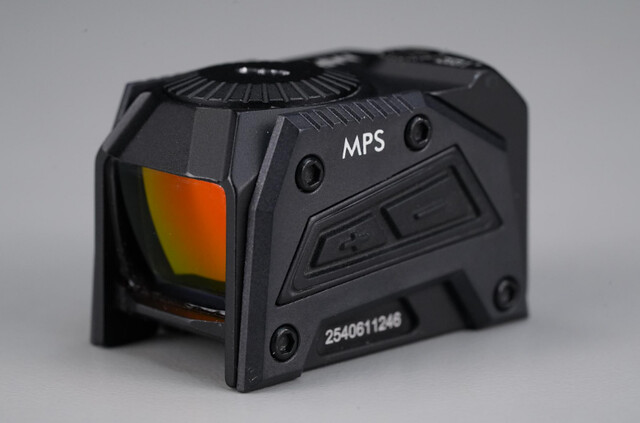
The Steiner MPS is one of the toughest enclosed-emitter optics currently available.
Specifications
- Enclosed emitter
- 3.3 MOA dot
- Aluminum housing
- Top battery access
- Waterproof design
Pros
- Extremely rugged
- Fully enclosed emitter
- Top battery compartment
- Excellent weather resistance
Cons
- Heavier than open-emitter optics
- Premium price
My Hands-On Notes
The enclosed housing inspires confidence immediately. Rain, dust, and carbon buildup have little effect on performance.
The window remains surprisingly usable despite the enclosed architecture. Battery replacement is simple thanks to the top-loading compartment.
Parallax remains well controlled, and the optic pairs effectively with suppressor-height sights for co-witness applications.
What People Say Online
Duty users frequently praise the optic's ruggedness and reliability in harsh conditions.
Mounting Clarity
The MPS commonly mounts using ACRO-style interfaces. APX owners need the appropriate adapter plate.
-----➤ Explore User Feedback and Current Pricing on Amazon
EOTECH EFLX
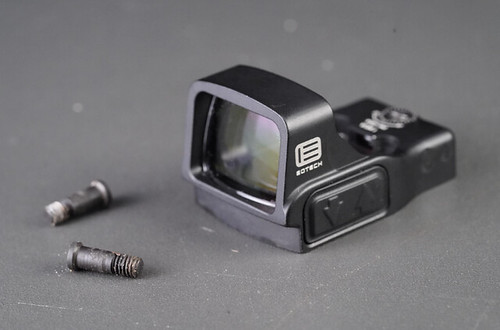
The EFLX brings EOTECH's optics expertise into the pistol market with a large window and user-friendly controls.
Specifications
- Footprint: DeltaPoint Pro
- Large viewing area
- Top-loading battery
- Aluminum housing
- Multiple brightness settings
Pros
- Excellent window size
- Easy battery changes
- Crisp dot presentation
- Intuitive controls
Cons
- Larger overall profile
- Less proven than older competitors
My Hands-On Notes
The EFLX window is among the easiest to track during recoil. Dot acquisition feels natural, especially during rapid presentations.
Button feel is positive with gloves, and the top battery access simplifies maintenance. Glass quality is very good with only minor tinting.
Parallax performance is consistent, and co-witness capability depends largely on the mounting plate and sight selection.
What People Say Online
Many shooters appreciate the large viewing window and straightforward operation.
Mounting Clarity
A DeltaPoint Pro-compatible mounting plate is required on the Beretta APX Centurion.
-----➤ Explore User Feedback and Current Pricing on Amazon
How I Tested / Evaluation Criteria
Parallax Performance
I evaluated each optic by moving the eye position throughout the window while maintaining a fixed target. Modern pistol optics generally perform well, but some exhibited less perceived movement than others. Minimal parallax shift contributes to confidence during unconventional shooting positions.
Co-Witness and Deck Height
Deck height influences how easily backup sights align through the optic window. Lower deck heights generally allow more natural co-witness setups while reducing the need for extremely tall iron sights.
Durability
The APX Centurion generates significant slide velocity. I prioritized optics with strong recoil ratings, reinforced housings, durable sealing systems, and proven track records on reciprocating pistol slides.
Battery System
Top-loading and side-loading battery compartments provide clear advantages because they reduce the likelihood of losing zero during battery changes.
Brightness Range
A quality optic should remain visible in bright sunlight while still offering settings suitable for indoor use and low-light conditions. Several models also support night-vision settings.
Glass Quality
Glass clarity, lens coatings, tint levels, and distortion directly affect the shooting experience. Larger windows can help, but optical quality matters just as much.
Controls Ergonomics
Brightness buttons should remain usable under stress and while wearing gloves. Poor controls can become frustrating during training and defensive use.
Mounting Ecosystem
I considered plate availability, footprint popularity, aftermarket support, and ease of obtaining replacement components.
How to Choose the Right Red Dot for This Gun
Choosing an optic for the APX Centurion starts with determining your primary use. Concealed carriers often benefit from enclosed-emitter optics because they resist lint, moisture, and debris. Duty users may prioritize durability above everything else. Competitive shooters frequently favor larger windows.
Footprint compatibility is equally important. The APX Centurion uses mounting plates rather than direct milling on most optics-ready models. RMR-pattern optics typically provide the broadest aftermarket support, while DeltaPoint Pro and ACRO-pattern optics may require more specialized plates.
Window size directly influences tracking speed. Larger windows generally make it easier to reacquire the dot during recoil. However, larger optics can add bulk and weight.
Battery access deserves careful consideration. Top-loading and side-loading designs simplify maintenance and help preserve zero. Bottom-loading systems remain reliable but require additional effort.
For concealed carry, I generally lean toward the Holosun EPS Carry due to its enclosed emitter and compact profile. For overall versatility, the Holosun 507C remains difficult to beat. For maximum durability, the Trijicon RMR Type 2 and Steiner MPS stand at the top of the list.
Shooters seeking the fastest sight picture often prefer the DeltaPoint Pro or EFLX because of their larger windows.
Ultimately, selecting the right optic means balancing durability, size, mounting compatibility, and intended use rather than chasing specifications alone.
FAQs
Does the Beretta APX Centurion come optics ready?
Many newer APX Centurion variants are available in optics-ready configurations, though older models may require slide milling.
What footprint does the APX Centurion use?
The pistol relies on interchangeable mounting plates rather than a dedicated footprint.
Are enclosed-emitter optics worth it?
For defensive carry and harsh environments, enclosed emitters offer superior protection against debris and weather.
Can I co-witness iron sights with an APX Centurion red dot?
Yes. Most setups require suppressor-height sights and the correct optic combination.
Which optic is best for concealed carry?
The Holosun EPS Carry provides an excellent balance of size, reliability, and environmental protection.
Conclusion
For most shooters searching for the Best Red Dot For Beretta APX Centurion, the Holosun 507C delivers the strongest overall combination of durability, mounting compatibility, battery convenience, and value. The Trijicon RMR Type 2 remains the durability champion, while enclosed-emitter options like the EPS Carry and Steiner MPS offer additional protection for demanding environments. Selecting the right optic ultimately comes down to your carry style, mounting preferences, and performance priorities.