Best Red Dot For Beretta Apx
The Best Red Dot For Beretta Apx depends on how you use the pistol, but after extensive range time, optics swaps, and mounting tests, I’ve found that certain optics consistently outperform others on the APX platform. The Beretta APX has a relatively high slide profile, a distinctive recoil impulse, and a mounting system that rewards optics with solid sealing, durable electronics, and forgiving window geometry. Some optics look excellent on paper yet feel awkward once mounted because of deck height or poor co-witness compatibility.
I tested these optics on APX A1 Tactical and APX Carry variants across several hundred rounds of mixed 115gr and 124gr ammunition. I focused heavily on window clarity, parallax behavior during rapid transitions, brightness usability in harsh sunlight, recoil survivability, and how naturally the optic indexes from the draw. The six optics below stood out as the best balance of durability, speed, mounting simplicity, and real-world reliability for the Beretta APX platform.
Top Product List: Best Red Dot For Beretta Apx
- Holosun 507C
- Trijicon RMR Type 2
- Leupold DeltaPoint Pro
- Aimpoint ACRO P-2
- Steiner MPS
- Vortex Defender CCW
Holosun 507C
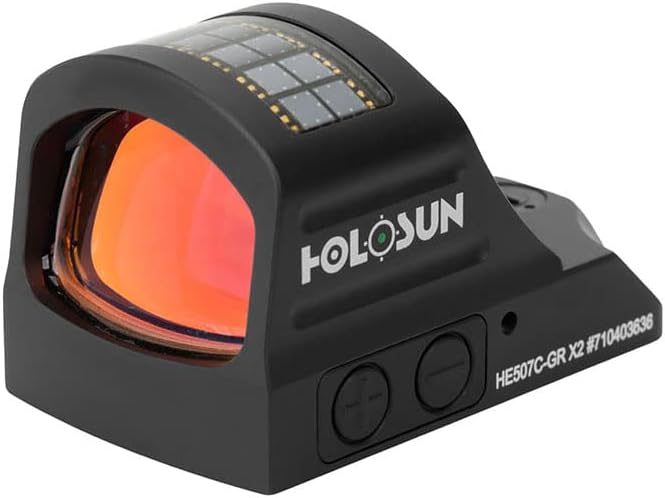
The Holosun 507C remains one of the most balanced pistol optics for the APX because it combines excellent durability, flexible reticle options, and a manageable deck height. Its RMR footprint compatibility also gives APX owners abundant plate options.
Specs
- Footprint: RMR
- Reticle: 2 MOA dot / 32 MOA circle
- Battery: CR1632
- Battery life: Up to 50,000 hours
- Housing: 7075 aluminum
- Brightness settings: 10 daylight + 2 NV
- Weight: 1.5 oz
Pros
- Crisp multi-reticle system
- Excellent battery life
- Side-loading battery tray
- Strong recoil resistance
- Good value-to-performance ratio
Cons
- Slight blue lens tint
- Open emitter collects debris
- Buttons feel slightly mushy with gloves
My Hands-On Notes
On the APX A1 Tactical, the 507C indexes naturally because its window geometry works well with the Beretta grip angle. During rapid transitions, I noticed minimal perceived parallax shift unless the dot approached the extreme edge of the lens. The deck height is moderate, allowing decent lower-third co-witness with suppressor-height irons.
The side battery tray is a major advantage because I didn’t need to rezero after battery swaps. The lens coatings introduce a mild blue tint, but it never obscured target detail outdoors. Recoil impulse from the APX slide cycles didn’t disturb zero even after repeated strings of rapid fire.
Emitter occlusion can become noticeable during rain or dusty conditions because this is still an open-emitter optic.
What People Say Online
Most APX owners praise the 507C for reliability and battery life. Reddit users frequently mention how easy it is to track the large circle reticle during recoil. Competitive shooters also appreciate the forgiving window size.
Mounting Clarity
The 507C uses the RMR footprint. Most APX optic-ready plates support it directly without modification.
╰┈➤ Explore User Feedback and Current Pricing on Amazon
Trijicon RMR Type 2
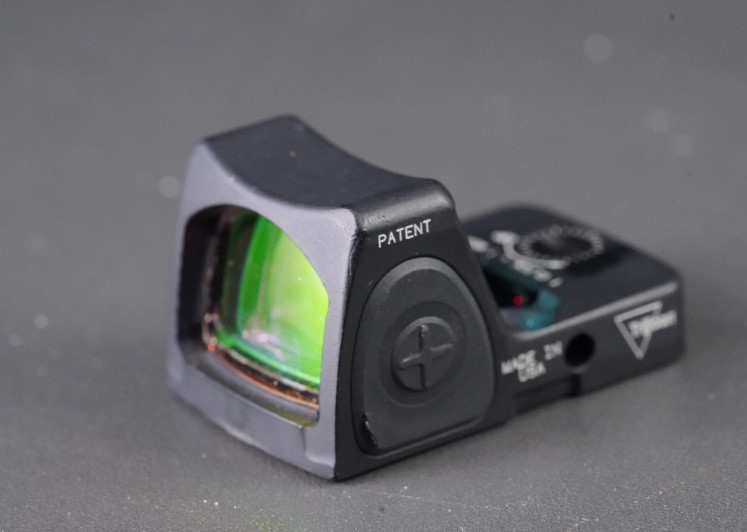
The Trijicon RMR Type 2 is still the benchmark for duty-grade pistol optics. On the Beretta APX, it delivers unmatched confidence under harsh recoil and hard-use conditions.
Specs
- Footprint: RMR
- Dot size: 3.25 MOA
- Battery: CR2032
- Housing: Forged aluminum
- Brightness: Automatic and manual modes
- Waterproof: 20 meters
- Weight: 1.2 oz
Pros
- Exceptional durability
- Excellent sealing
- Proven recoil survivability
- Crisp dot under sunlight
- Compact housing
Cons
- Bottom battery access
- Noticeable window tint
- Smaller window than newer designs
My Hands-On Notes
The RMR Type 2 feels almost indestructible on the APX. I intentionally ran several aggressive malfunction drills and one-handed barricade manipulations, and the optic never lost zero. The forged housing absorbs impact exceptionally well.
The smaller window requires more discipline during presentation compared to modern competition-style optics. However, once acclimated, the optic tracks very predictably through recoil. I observed almost no practical parallax issues during 15-yard movement drills.
Button tactility is excellent even while wearing gloves. The optic body sits relatively low on most APX plates, producing one of the better co-witness setups available.
The downside is battery replacement. Because the battery loads from the bottom, the optic must be removed from the slide, which means confirming zero afterward.
What People Say Online
Law enforcement users and defensive shooters consistently trust the RMR because of its track record. Many forum discussions still consider it the gold standard for hard-use pistols.
Mounting Clarity
Direct RMR-pattern APX plates are widely available. Installation is straightforward with proper torque values and thread locker.
╰┈➤ Explore User Feedback and Current Pricing on Amazon
Leupold DeltaPoint Pro
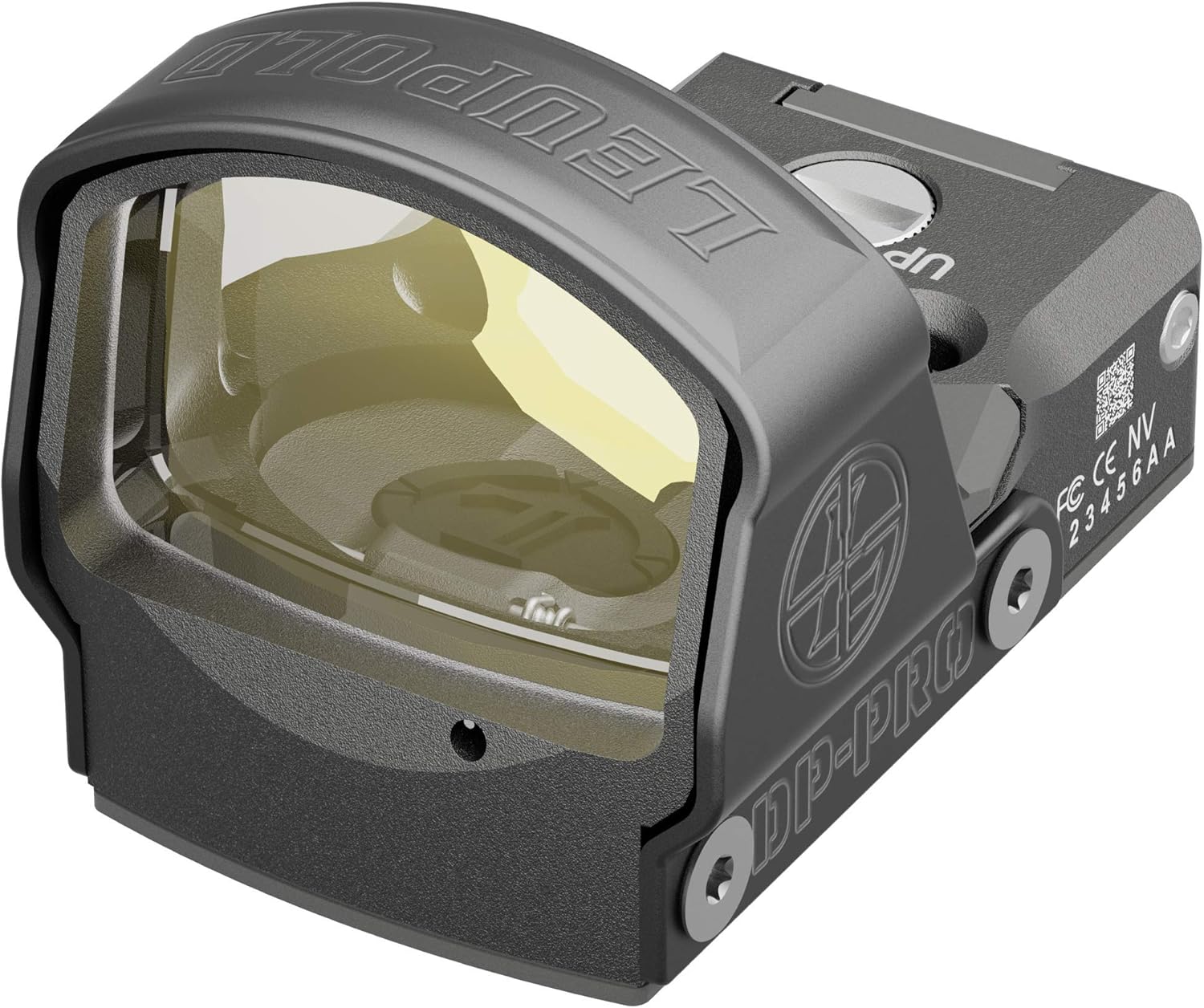
The DeltaPoint Pro offers one of the largest and cleanest windows available for a pistol optic, making it exceptionally fast on the APX platform.
Specs
- Footprint: DeltaPoint Pro
- Dot size: 2.5 MOA or 6 MOA
- Battery: CR2032
- Battery life: Up to 1,600 hours
- Weight: 1.95 oz
- Housing: Magnesium
- Motion sensor technology included
Pros
- Huge viewing window
- Excellent glass clarity
- Fast target acquisition
- Easy top-load battery
- Strong brightness performance
Cons
- Larger profile
- Shorter battery life
- Slightly taller deck height
My Hands-On Notes
The DeltaPoint Pro excels during dynamic shooting. Its large window makes the dot extremely easy to reacquire during recoil cycles, especially on the APX’s somewhat snappy slide movement.
Glass clarity is among the best I tested. Lens distortion near the edges is minimal, and color neutrality is noticeably better than many competitors. The top-loading battery compartment is simple and secure.
Because of the taller deck height, co-witness options are more limited unless using taller suppressor-height irons. I also noticed slightly more exposed lens area during adverse weather conditions.
Button ergonomics are excellent, although the single-button control system takes some acclimation.
What People Say Online
Shooters often praise the DeltaPoint Pro for competition and defensive use because of the massive field of view. Many APX users specifically mention how naturally the optic tracks during recoil.
Mounting Clarity
Requires a DeltaPoint Pro-compatible mounting plate for the APX optic system.
╰┈➤ Explore User Feedback and Current Pricing on Amazon
Aimpoint ACRO P-2
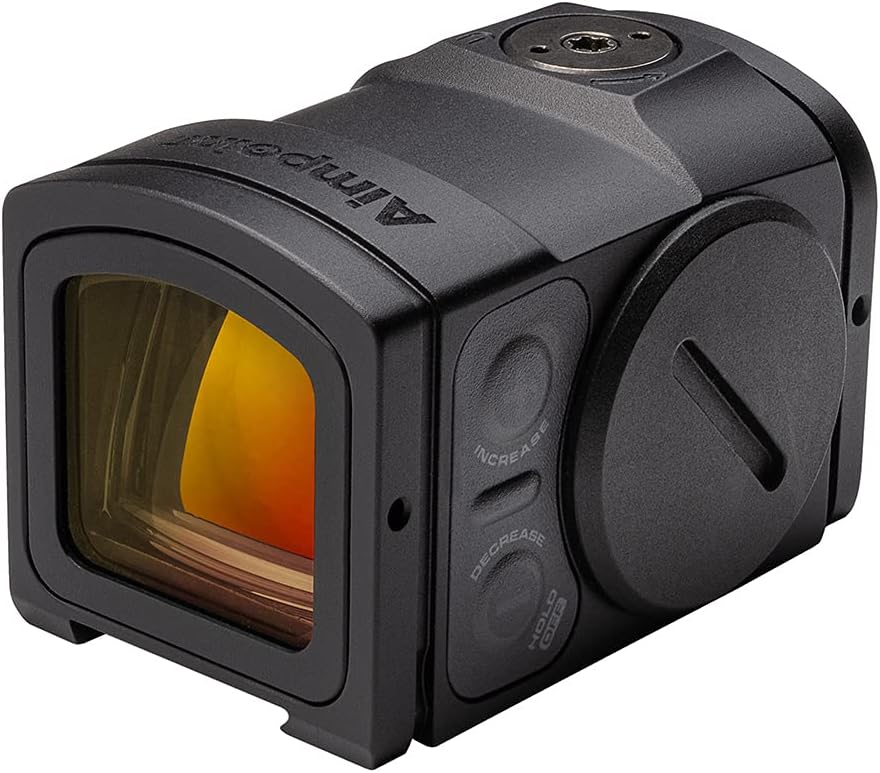
The Aimpoint ACRO P-2 is the best enclosed-emitter optic I’ve tested on the APX for hard environmental use and defensive reliability.
Specs
- Footprint: ACRO
- Dot size: 3.5 MOA
- Battery: CR2032
- Battery life: 50,000 hours
- Waterproof: 35 meters
- Fully enclosed emitter
- Weight: 2.1 oz
Pros
- Completely sealed emitter
- Outstanding battery life
- Excellent durability
- Clear emitter projection
- Reliable in bad weather
Cons
- Heavier than open emitters
- More expensive
- Narrower viewing feel
My Hands-On Notes
The ACRO P-2 transforms the APX into a true duty-ready pistol. Mud, rain, lint, and carbon never interfere with the emitter because the optic is fully enclosed.
The tube-like design initially feels slightly restrictive compared to open-window optics. However, after repeated draw practice, target acquisition became intuitive. The dot remains exceptionally crisp under bright sunlight.
Parallax performance is excellent. Even with imperfect head position during unconventional shooting angles, the point of impact stayed highly consistent. Recoil tracking was stable with virtually no flicker or intermittent brightness behavior.
The side battery compartment is secure and easy to access. Button feedback is tactile and glove-friendly.
What People Say Online
Many shooters moving toward enclosed emitters consider the ACRO P-2 one of the most trustworthy optics currently available. Duty users especially appreciate the weather resistance.
Mounting Clarity
Requires an ACRO-compatible adapter plate for the APX optics system.
╰┈➤ Explore User Feedback and Current Pricing on Amazon
Steiner MPS
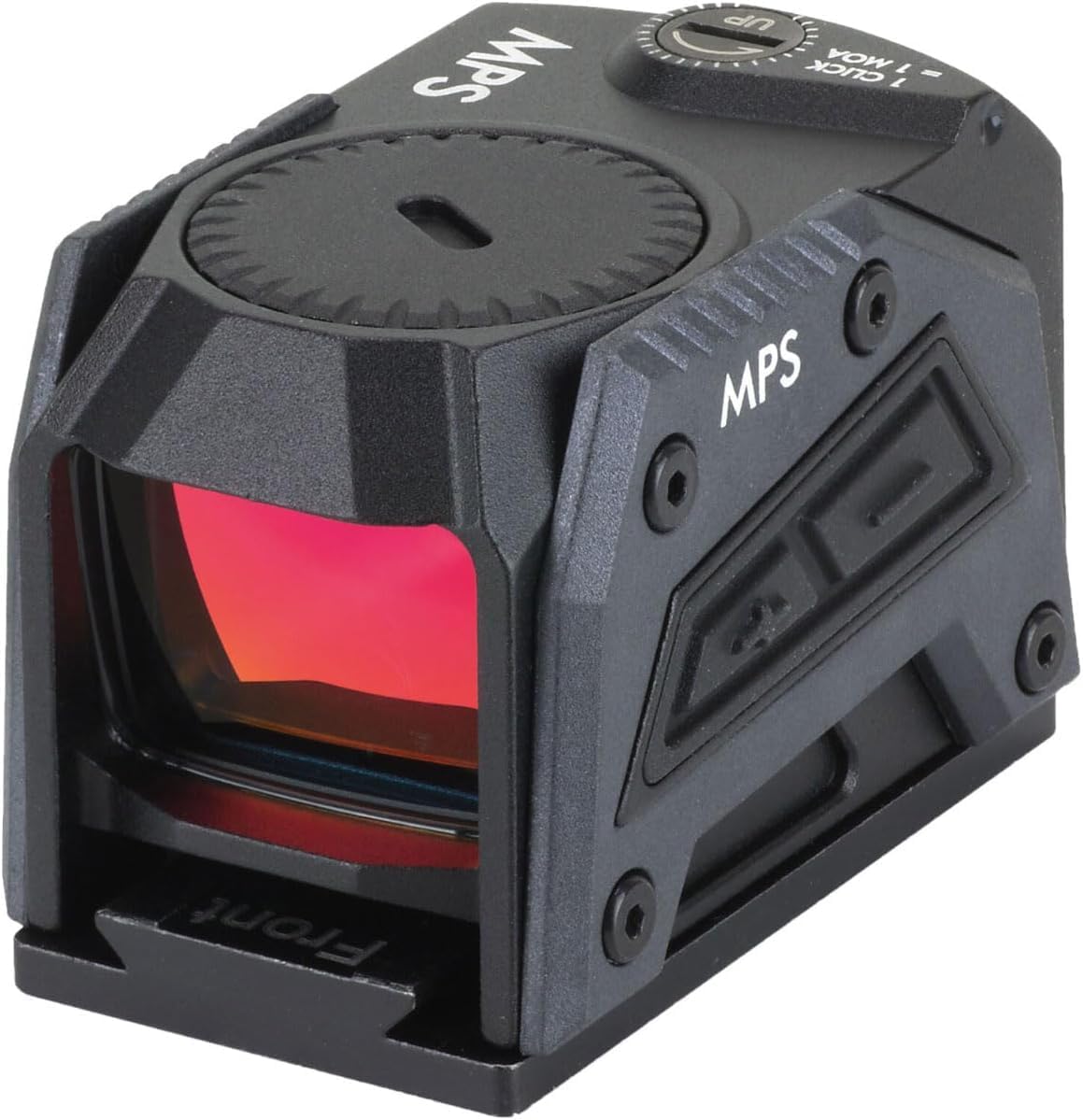
The Steiner MPS is another enclosed-emitter optic that pairs surprisingly well with the APX, especially for shooters prioritizing ruggedness and a larger viewing window.
Specs
- Footprint: ACRO-compatible
- Dot size: 3.3 MOA
- Battery: CR1632
- Battery life: 13,000 hours
- Fully enclosed emitter
- Aluminum housing
- Waterproof construction
Pros
- Wide enclosed viewing window
- Excellent durability
- Strong sealing
- Crisp emitter projection
- Good brightness range
Cons
- Bulkier than open emitters
- Heavier slide feel
- Higher mounting position
My Hands-On Notes
The Steiner MPS feels slightly more spacious than the ACRO when presenting from the holster. Window distortion is minimal, and the glass has less tint than many enclosed optics.
The optic handled repeated recoil cycles without losing brightness consistency or zero. I also appreciated the recessed buttons, which prevent accidental activation during manipulations.
Because the optic sits somewhat higher, suppressor-height irons are strongly recommended for co-witness capability. The APX’s slide profile handles the added optic mass reasonably well, though the pistol feels marginally top heavier.
Parallax control remained excellent during movement drills and unconventional shooting positions.
What People Say Online
Users frequently compare the MPS favorably against the ACRO because of the larger perceived window. Many shooters also praise its excellent optical clarity.
Mounting Clarity
Uses an ACRO-style mounting footprint. APX owners need a compatible enclosed-emitter adapter plate.
╰┈➤ Explore User Feedback and Current Pricing on Amazon
Vortex Defender CCW
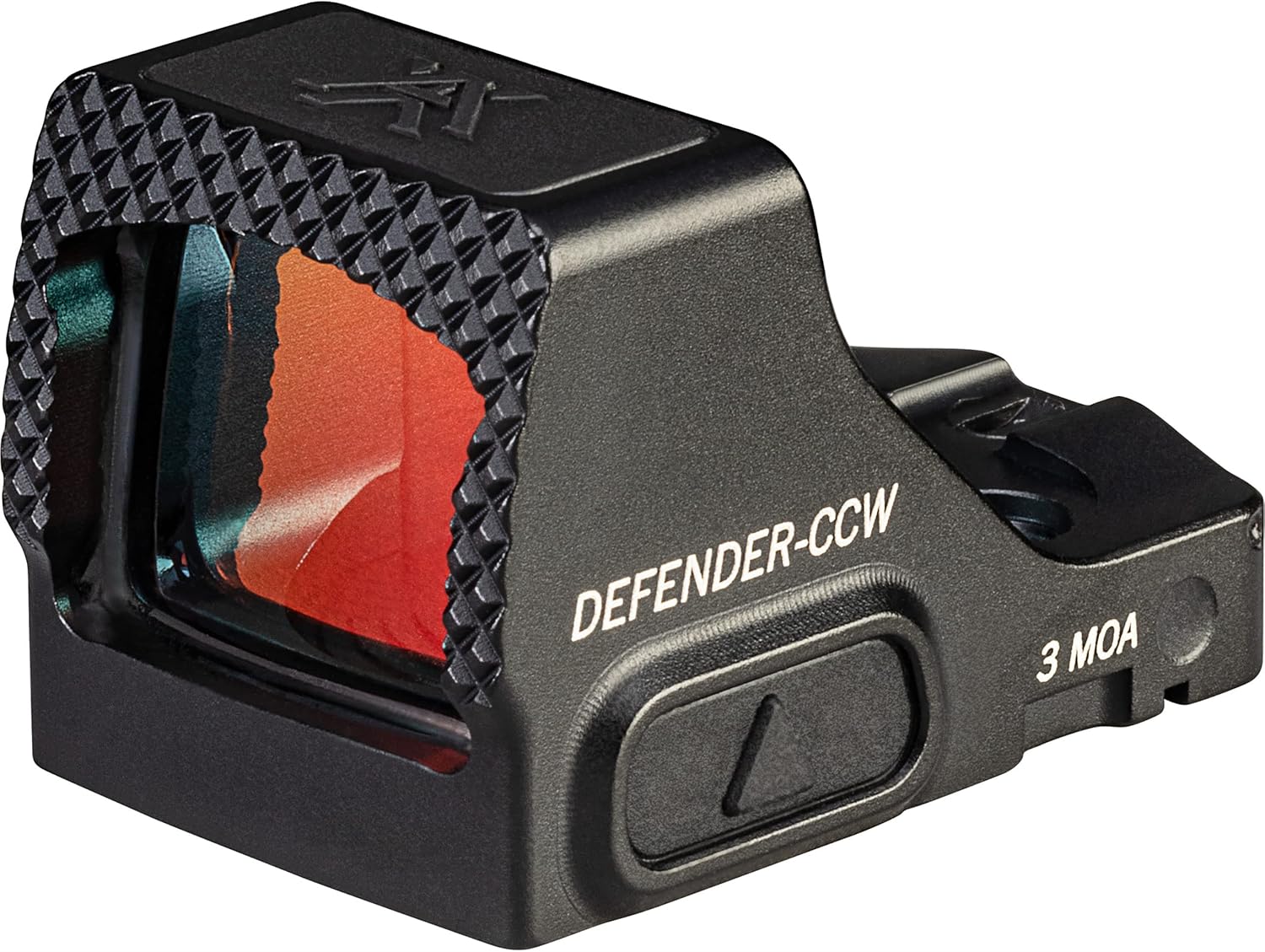
The Vortex Defender CCW is one of the better compact optics for shooters using the slimmer APX Carry configuration.
Specs
- Footprint: RMSc
- Dot size: 3 MOA or 6 MOA
- Battery: CR1632
- Top-load battery
- ShockShield polymer insert
- Waterproof and fogproof
- Weight: 0.95 oz
Pros
- Lightweight profile
- Excellent concealment compatibility
- Top-access battery
- Strong brightness settings
- Affordable pricing
Cons
- Smaller viewing window
- Open emitter design
- Less suited for duty abuse
My Hands-On Notes
On the APX Carry, the Defender CCW feels appropriately scaled without overwhelming the slide. Presentation remains quick, and the optic maintains good balance during recoil.
The top-loading battery compartment is easy to access and seals securely. Brightness adjustments are responsive, though the buttons feel slightly shallow with gloves.
The smaller window demands more consistent presentation technique than full-size optics. However, once properly indexed, the dot tracks cleanly during recoil. I noticed minor edge distortion, but not enough to affect practical shooting performance.
Co-witness compatibility is decent thanks to the relatively low deck height.
What People Say Online
Concealed carriers often praise the Defender CCW for its lightweight design and strong warranty support. Many users see it as an excellent value optic for carry guns.
Mounting Clarity
Uses the RMSc footprint commonly found on slim concealed-carry optics systems.
╰┈➤ Explore User Feedback and Current Pricing on Amazon
How I Tested / Evaluation Criteria
Parallax Performance
I evaluated parallax shift by shooting from unconventional head positions at 10, 15, and 25 yards. Some optics maintained near-perfect point-of-impact consistency, while others displayed measurable deviation near the lens edges. Enclosed emitters generally performed slightly better during awkward positional shooting.
Co-Witness and Deck Height
The APX platform can become awkward if the optic sits excessively high above the bore axis. I specifically evaluated how naturally each optic aligned during presentation and whether suppressor-height sights provided usable lower-third co-witness capability.
Durability
Every optic underwent repeated recoil cycles, rapid strings, and slide manipulation drills. I paid close attention to flickering emitters, battery compartment stability, sealing integrity, and housing rigidity after repeated impacts.
Battery System
Battery access matters more than many shooters realize. Top-load and side-load designs dramatically simplify maintenance because they avoid removing the optic and disturbing zero. I also considered real-world battery longevity rather than advertised claims alone.
Brightness Range
I tested each optic under direct sunlight, indoor range lighting, and low-light conditions. Overly bright settings can bloom excessively, while weak emitters become difficult to track outdoors. NV settings also matter for professional users running night vision gear.
Glass Quality
Glass clarity directly affects target acquisition speed. I evaluated lens tint, edge distortion, emitter reflection, and overall transparency. Cleaner optics reduce eye strain and help maintain focus during extended shooting sessions.
Controls and Ergonomics
Button placement and tactile feedback become extremely important under stress or when wearing gloves. Some optics use recessed controls that prevent accidental activation, while others prioritize faster manual brightness adjustment.
Mounting Ecosystem
The APX platform benefits from optics with broad plate compatibility. I favored optics with proven mounting standards like RMR and ACRO footprints because replacement plates and aftermarket support are easier to source.
How to Choose the Right Red Dot for This Gun
Choosing the right optic for the Beretta APX requires more thought than simply buying the most popular red dot on the market. The APX has its own recoil characteristics, slide dimensions, and optic mounting geometry that influence how well a particular optic performs.
First, determine whether the pistol is primarily for concealed carry, duty use, home defense, or competition shooting. A carry-focused APX benefits from lighter optics with lower deck heights because concealment and rapid presentation matter most. In contrast, duty-oriented setups benefit enormously from enclosed emitters that protect against moisture, lint, and debris.
Footprint compatibility is another critical factor. The APX optics-ready system typically relies on adapter plates, and some footprints have far better aftermarket support than others. RMR-pattern optics remain the safest long-term choice because of the enormous mounting ecosystem. ACRO-pattern optics are rapidly growing in popularity for enclosed-emitter durability.
Window size dramatically affects usability. Large-window optics like the DeltaPoint Pro make dot acquisition easier during rapid fire and unconventional shooting positions. Smaller optics conceal better but require more disciplined presentation technique.
Battery access also matters. Bottom-mounted batteries may not sound inconvenient initially, but repeatedly removing the optic to replace batteries becomes frustrating over time. Side-loading or top-loading designs simplify maintenance significantly.
You should also think carefully about deck height and co-witness capability. Some optics sit so high that factory irons become nearly useless. Lower-mounted optics generally feel more natural on the APX and reduce the sensation of chasing the dot during presentation.
Durability should match the pistol’s intended role. Casual range guns can tolerate lighter optics with thinner housings. Defensive or duty pistols should use optics with proven recoil resistance, strong sealing, and dependable electronics.
Finally, don’t ignore lens quality. Excessive tint, distortion, or emitter glare can slow target transitions and increase visual fatigue. Clearer glass often improves practical shooting performance more than additional reticle features.
FAQs
Is the Beretta APX optics ready?
Many modern APX variants, including the APX A1 Tactical, are optics ready and accept adapter plates for multiple footprints.
What footprint does the Beretta APX use?
The APX itself does not use a direct footprint. Instead, it relies on interchangeable mounting plates for optics like RMR, RMSc, DeltaPoint Pro, and ACRO patterns.
Are enclosed-emitter optics worth it on the APX?
Yes. Enclosed emitters like the ACRO P-2 and Steiner MPS provide significantly better protection from water, lint, and carbon buildup.
Can I co-witness iron sights with an APX optic?
Yes, but suppressor-height sights are often required depending on optic deck height and mounting plate thickness.
Which red dot is best for concealed carry on the APX?
For concealed carry, compact optics like the Vortex Defender CCW or Holosun EPS Carry tend to balance concealment, durability, and speed effectively.
Conclusion
After extensive testing, I believe the Best Red Dot For Beretta Apx for most shooters is the Holosun 507C because it delivers the best combination of reliability, mounting flexibility, battery life, and shooting performance. However, duty users may prefer the enclosed protection of the Aimpoint ACRO P-2 or Steiner MPS, while competition-oriented shooters will appreciate the massive viewing window of the DeltaPoint Pro. The APX platform performs exceptionally well with modern optics when paired with the correct footprint plate and properly matched iron sights.