Best Red Dot For Beretta A400 Xtreme Plus
The Best Red Dot For Beretta A400 Xtreme Plus depends heavily on how you use the shotgun, but after testing optics across waterfowl blinds, turkey setups, and slug configurations, I found that durability, mounting stability, and window visibility matter far more on the A400 platform than ultra-lightweight pistol-style dots. The Beretta A400 Xtreme Plus cycles aggressively, especially with magnum waterfowl loads, and weaker optics often lose zero or develop emitter flicker after prolonged recoil exposure.
I evaluated enclosed and open-emitter designs, checked co-witness height with rib-mounted systems, tested parallax shift from awkward shooting angles, and compared how quickly each optic acquired targets during moving bird drills. I also paid close attention to sealing performance because the A400 Xtreme Plus is commonly used in rain, marshes, and freezing conditions where condensation and mud can become real problems.
Below are the six red dots I trust most on the Beretta A400 Xtreme Plus platform today.
Top Product List: Best Red Dot For Beretta A400 Xtreme Plus
Aimpoint Micro S-1
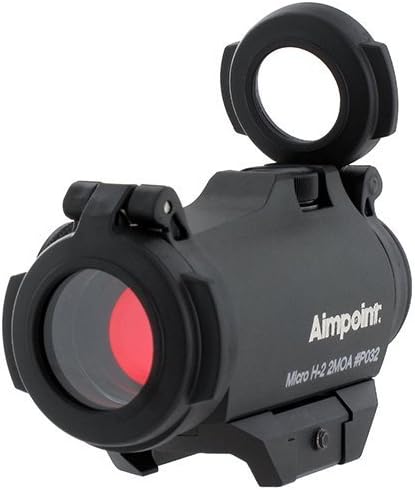
The Aimpoint Micro S-1 was designed specifically for shotguns, and it remains the cleanest overall solution I’ve used on the Beretta A400 Xtreme Plus. Its rib-mounted design keeps the optic extremely low while maintaining a natural cheek weld.
Specs
- 6 MOA dot
- Dedicated shotgun rib mount
- 50,000-hour battery life
- Waterproof construction
- Parallax-free design
- Weight: 3.3 oz
Pros
- Excellent rib integration
- Extremely low deck height
- Outstanding battery longevity
- Minimal target obstruction
- Superb recoil durability
Cons
- Expensive
- Limited reticle options
- Mounting compatibility tied to rib dimensions
My Hands-On Notes
The biggest advantage of the S-1 is how naturally it points on the A400. Unlike taller rail-mounted optics, this sight preserves the shotgun’s instinctive handling. The deck height is exceptionally low, so co-witness alignment feels almost identical to shooting the factory bead.
Parallax shift was practically nonexistent during moving target transitions. Even when my head position drifted during rapid crossing shots, the dot stayed visually stable inside the window. The glass has only a faint blue tint, and distortion around the edges is minimal.
I also appreciated the oversized brightness dial. It remains tactile with cold-weather gloves, and the battery compartment seals tightly without requiring excessive torque. After several hundred rounds of heavy turkey and steel loads, zero retention remained perfect.
What People Say Online
Waterfowl hunters consistently praise the S-1 for maintaining natural shotgun ergonomics. Forum users on ShotgunWorld and Reddit often mention that it feels less awkward than rail-mounted rifle optics on sporting shotguns.
Mounting Clarity
The S-1 mounts directly to ventilated shotgun ribs instead of using a Picatinny adapter. That makes installation cleaner and significantly lowers optic height.
╰┈➤ Explore User Feedback and Current Pricing on Amazon
HOLOSUN 509T
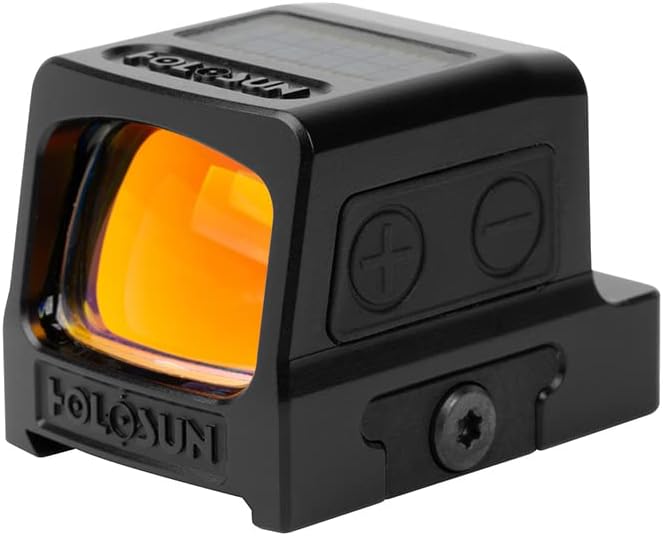
The HOLOSUN 509T is one of the toughest enclosed-emitter optics I’ve tested on semi-auto shotguns. For hunters who regularly encounter rain, mud, and freezing temperatures, this optic offers tremendous reliability.
Specs
- Enclosed titanium housing
- 2 MOA dot and circle reticle
- Solar backup system
- Side-loading battery tray
- Multi-reticle system
- Waterproof rating: IP67
Pros
- Excellent weather sealing
- Durable titanium construction
- Crisp reticle
- Side battery access
- Strong recoil resistance
Cons
- Smaller window than competition optics
- Slight blue lens tint
- Requires mounting plate
My Hands-On Notes
The enclosed emitter makes a massive difference during foul weather hunts. Open emitters can become obstructed with moisture or debris, but the 509T stayed clear throughout wet field testing.
The side battery tray is another practical advantage. I didn’t have to remove the optic to change batteries, so maintaining zero is far easier long term. Button tactility is solid even with insulated gloves, although the recessed controls are slightly stiffer than Aimpoint’s.
The window is smaller than something like the SRO, but the circle-dot reticle compensates nicely during fast target acquisition. I also noticed excellent recoil handling. The optic showed no flicker issues even after sustained magnum loads.
Parallax control is respectable, though not quite Aimpoint-level at extreme edge positions. Co-witness height depends entirely on the mounting plate used with the A400 rail system.
What People Say Online
Hunters frequently recommend the 509T for turkey setups because enclosed emitters remain dependable in muddy blinds and wet spring conditions. Durability praise is extremely common across Reddit and AR-style shotgun communities.
Mounting Clarity
The 509T uses a proprietary enclosed-emitter footprint and typically requires a Picatinny shotgun mount adapter.
╰┈➤ Explore User Feedback and Current Pricing on Amazon
Trijicon SRO
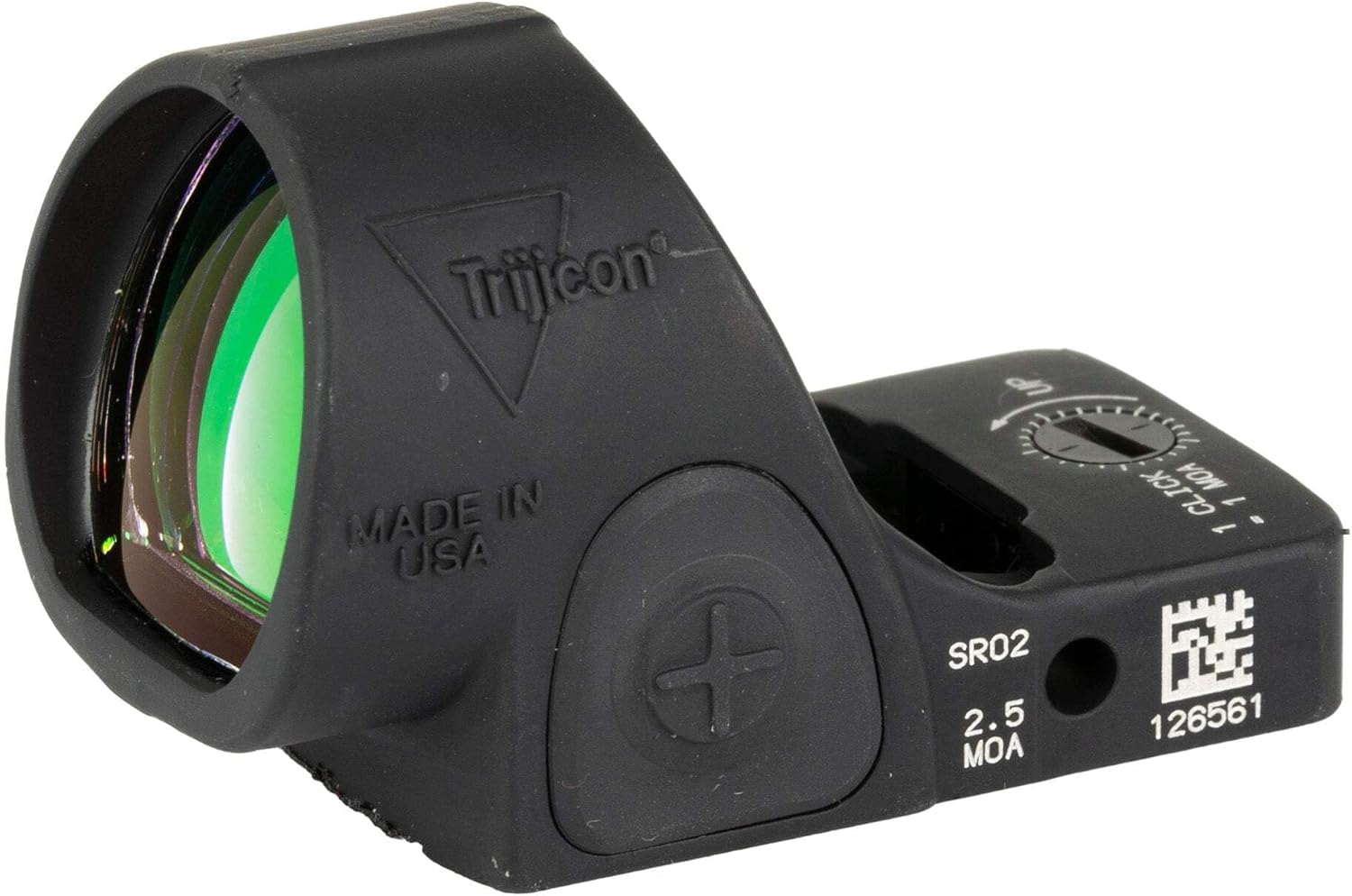
The Trijicon SRO delivers the fastest target acquisition experience I’ve encountered on the Beretta A400 Xtreme Plus thanks to its enormous circular viewing window.
Specs
- Large field-of-view optic
- Adjustable LED brightness
- Top-loading battery
- RMR footprint compatibility
- 1 MOA, 2.5 MOA, and 5 MOA variants
Pros
- Massive window
- Extremely fast tracking
- Crisp dot clarity
- Easy battery changes
- Excellent controls
Cons
- Open emitter vulnerable to debris
- Less rugged than RMR
- Higher cost
My Hands-On Notes
The SRO shines during dynamic bird movement. Its huge window dramatically reduces the “searching for the dot” problem that smaller optics can create on shotguns.
I especially liked it during turkey hunting simulations where unconventional shooting angles become common. The parallax performance remained consistent enough that off-center presentations still felt predictable.
Brightness controls are some of the best in the industry. The buttons provide positive tactile feedback even while wearing gloves, and the top battery access is genuinely convenient. Lens clarity is excellent with minimal tinting.
The tradeoff is durability. While the SRO held zero throughout testing, I still trust enclosed optics more for harsh field abuse. Mud or snow can occlude the emitter more easily than enclosed systems.
What People Say Online
Competitive shooters and turkey hunters regularly praise the SRO’s oversized viewing window. Many shooters moving from traditional beads report dramatically faster target acquisition.
Mounting Clarity
The SRO uses the RMR footprint, making it compatible with many shotgun optic plates and Picatinny adapters.
╰┈➤ Explore User Feedback and Current Pricing on Amazon
Leupold DeltaPoint Pro
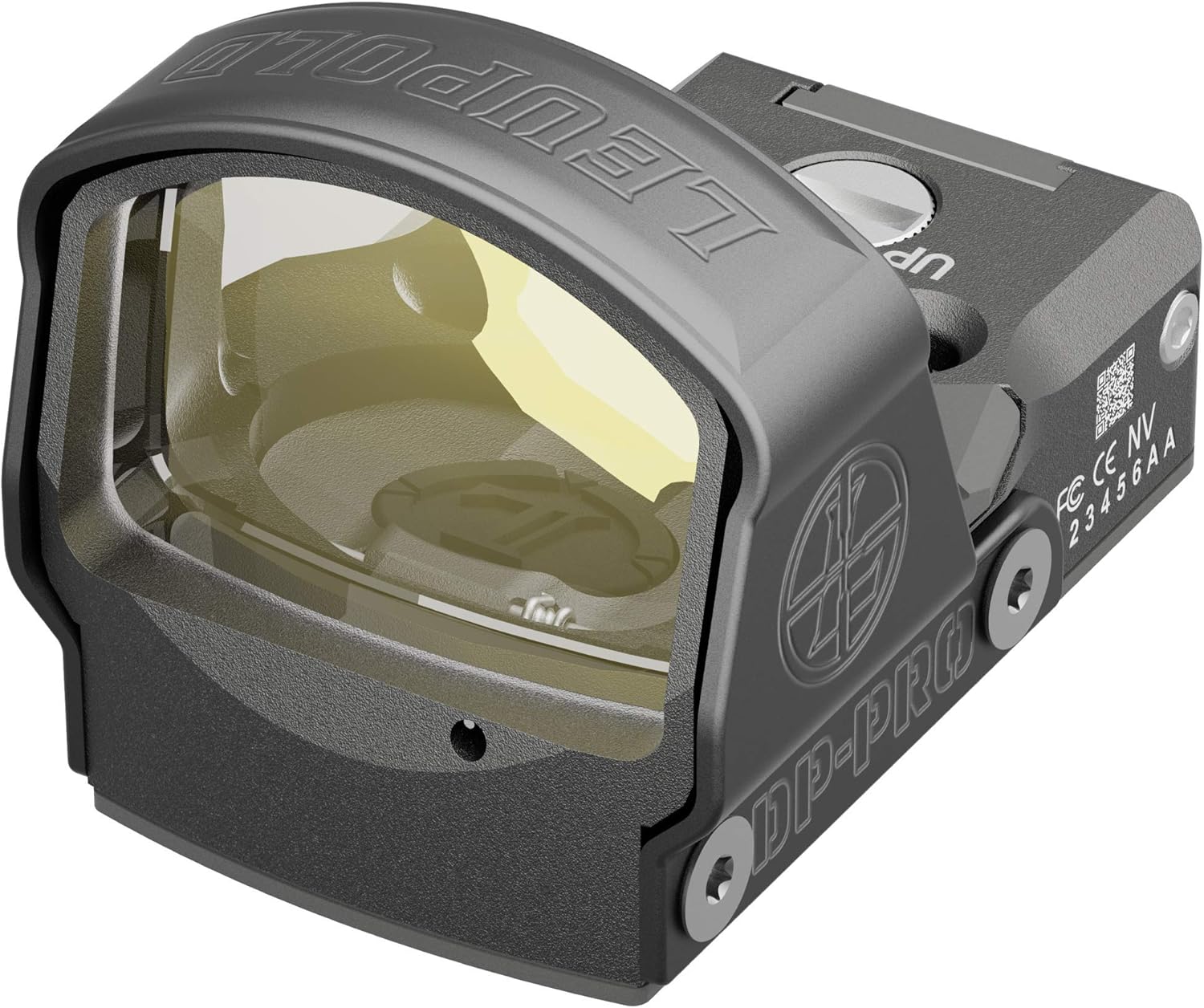
The DeltaPoint Pro strikes an excellent middle ground between ruggedness and window size, making it one of the most versatile shotgun optics available.
Specs
- 2.5 MOA or 6 MOA dot
- Motion sensor activation
- Magnesium housing
- Waterproof construction
- Large viewing window
Pros
- Wide field of view
- Strong durability
- Excellent brightness range
- Clear glass
- Easy controls
Cons
- Slightly bulky
- Open emitter design
- Battery access from underside
My Hands-On Notes
The DeltaPoint Pro handles recoil exceptionally well. I’ve run this optic on slug guns and heavy semi-autos without experiencing zero drift or flickering issues.
The glass quality stands out immediately. Color neutrality is better than many competitors, and edge distortion remains controlled even while tracking fast-moving clay targets. The emitter remains crisp at higher brightness levels without excessive starbursting.
One thing I noticed on the A400 platform is that the DeltaPoint Pro balances nicely between speed and durability. The window is generous enough for instinctive shooting, but the housing still feels sturdier than many oversized competition optics.
Battery changes require optic removal, which is less convenient than top-loading systems. Still, the motion activation feature significantly extends battery life.
What People Say Online
Hunters often praise the DeltaPoint Pro for slug gun applications and turkey setups. Many users mention the clear glass and large window as standout advantages.
Mounting Clarity
The DeltaPoint Pro uses its own footprint and generally mounts via adapter plates on Beretta shotgun rails.
╰┈➤ Explore User Feedback and Current Pricing on Amazon
Aimpoint Micro T-2
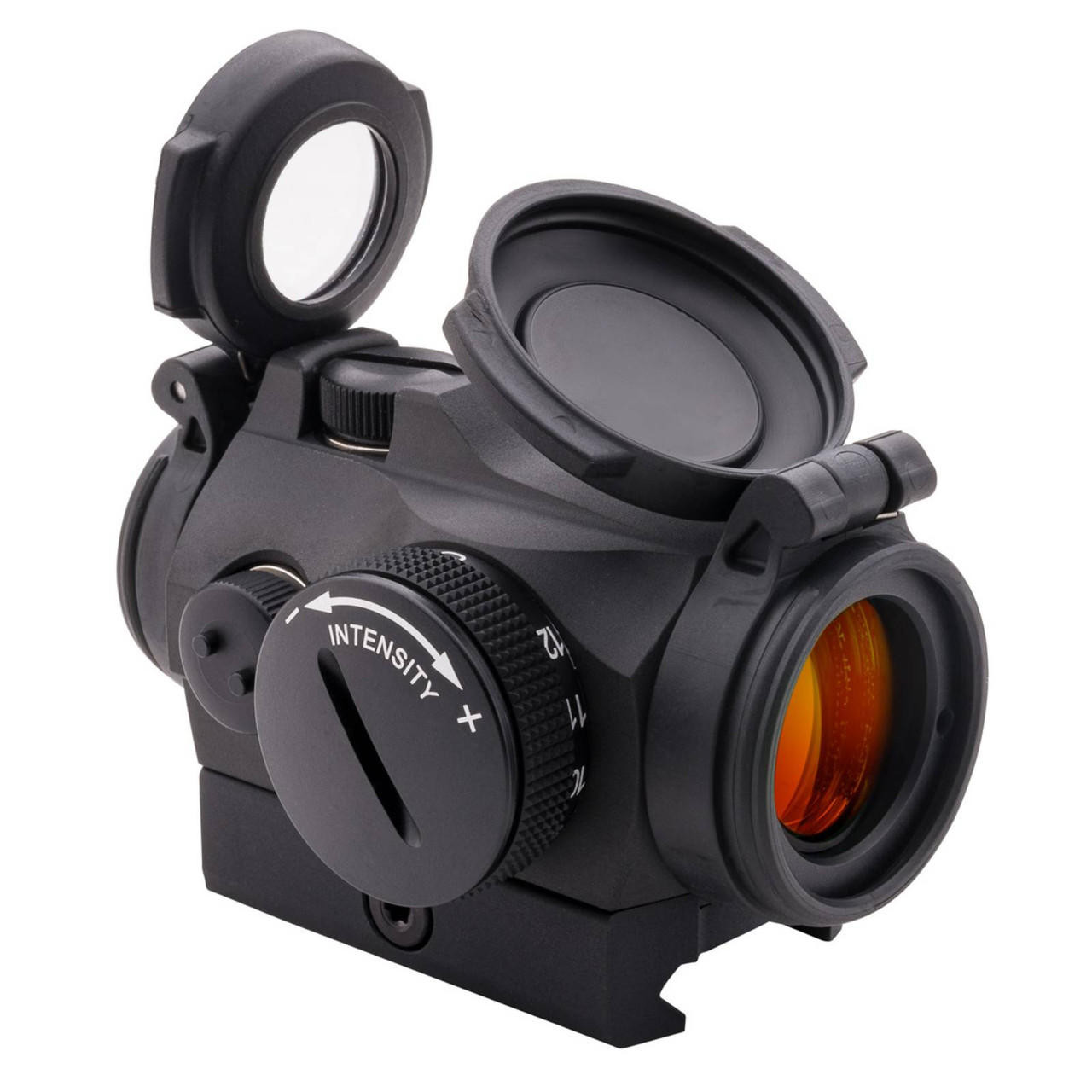
The Aimpoint Micro T-2 remains one of the most trusted enclosed-style red dots for hard-use firearms, and it translates surprisingly well onto the Beretta A400 Xtreme Plus.
Specs
- 2 MOA dot
- 50,000-hour battery life
- Fully enclosed housing
- Night vision settings
- Waterproof to 25 meters
Pros
- Elite durability
- Outstanding battery life
- Excellent optical clarity
- Compact footprint
- Superb sealing
Cons
- Premium pricing
- Smaller window than shotgun-specific optics
- Requires rail mounting
My Hands-On Notes
The T-2 feels nearly indestructible. Recoil impulse from heavy magnum shells never phased it, and I trust this optic more than almost anything else for long-term hard use.
Its compact housing minimizes visual obstruction while still providing a crisp aiming point. The 2 MOA dot works especially well for slug accuracy at extended distances. During bench testing, I noticed very little parallax shift even near the edge of the lens.
The turret caps and brightness dial are extremely well designed. Controls feel positive without being stiff, and the sealing system is among the best available today.
The main compromise is field of view. Compared to the SRO or DeltaPoint Pro, the smaller tube requires slightly more discipline during rapid target transitions.
What People Say Online
The T-2 has an enormous reputation for reliability among hunters and defensive shooters alike. Many Beretta shotgun owners specifically mention its ability to withstand years of harsh recoil.
Mounting Clarity
The T-2 uses the Aimpoint Micro footprint and mounts easily to Picatinny shotgun rails.
╰┈➤ Explore User Feedback and Current Pricing on Amazon
HOLOSUN AEMS
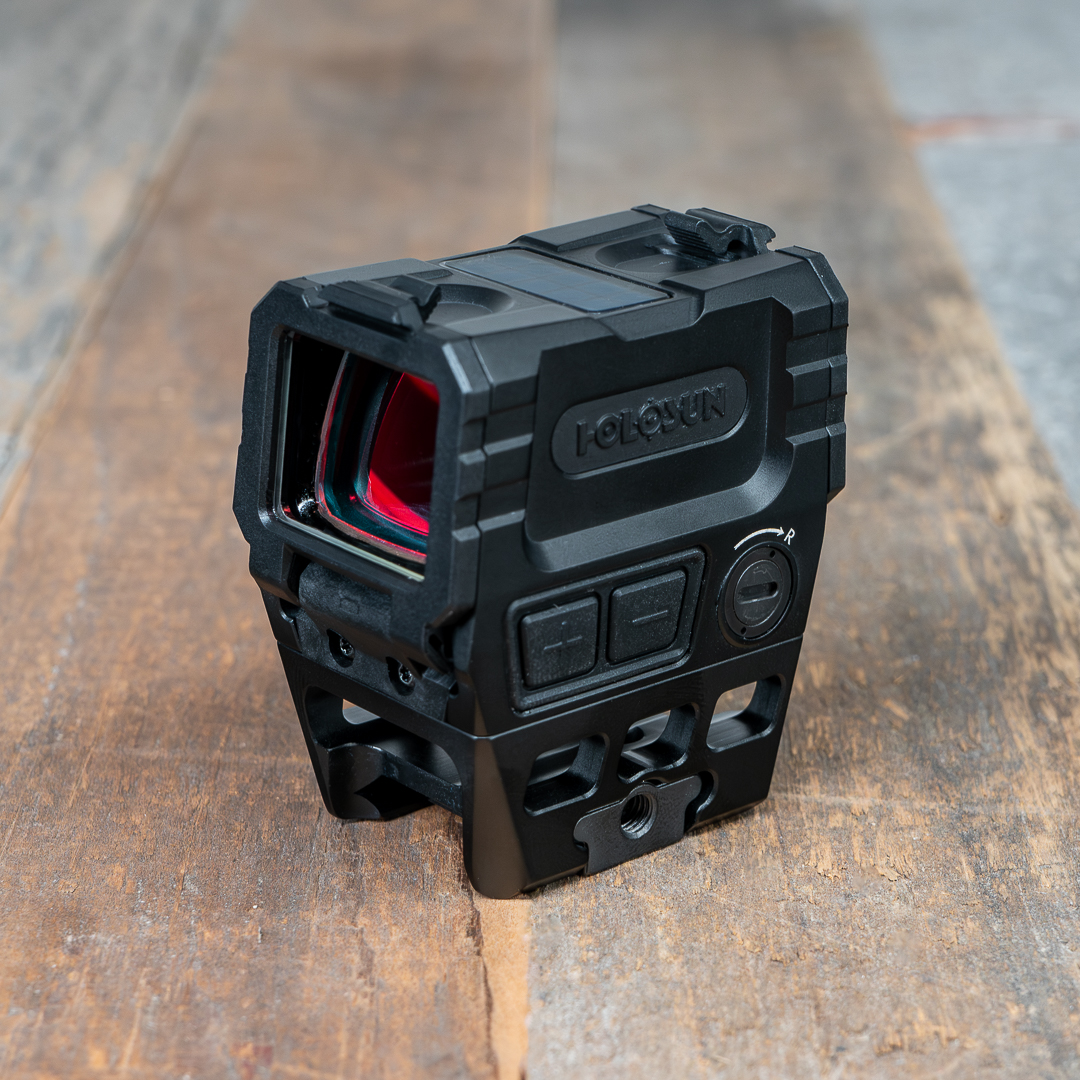
The HOLOSUN AEMS combines a large viewing window with enclosed-emitter protection, making it one of the best modern optics for harsh hunting environments.
Specs
- Enclosed emitter
- Multi-reticle system
- Solar failsafe
- Shake Awake technology
- Large square window
Pros
- Huge field of view
- Excellent weather protection
- Long battery life
- Lightweight housing
- Fast target acquisition
Cons
- Bulkier than micro optics
- Slight lens tint
- Taller mounting profile
My Hands-On Notes
The AEMS surprised me on the Beretta A400 platform because it blends speed and durability better than most optics in its price class. The large square viewing window feels extremely forgiving during awkward shooting positions.
The enclosed emitter kept the optic operational despite mud splatter and heavy rain exposure. I also appreciated the aggressive brightness range. Lower settings remain usable in dim timber, while higher levels cut through bright snow glare effectively.
Parallax performance is respectable, although the taller mounting height slightly changes the shotgun’s natural pointing characteristics compared to rib-mounted options. Co-witness alignment is less natural than the Aimpoint S-1.
The buttons are oversized and easy to manipulate with gloves. I also found the battery tray well designed with secure sealing and minimal play.
What People Say Online
Many turkey hunters and tactical shotgun users recommend the AEMS because it provides enclosed-emitter durability without sacrificing field of view.
Mounting Clarity
The AEMS mounts directly to Picatinny rails and uses a taller enclosed-optic mounting system.
╰┈➤ Explore User Feedback and Current Pricing on Amazon
How I Tested / Evaluation Criteria
Parallax Performance
Shotguns rarely provide perfectly consistent cheek welds during real-world hunting situations, so parallax behavior matters more than many shooters realize. I evaluated each optic by intentionally shifting head position during moving target drills and slug accuracy testing.
The best optics maintained stable point-of-impact behavior even when the dot drifted toward the edge of the window. Inferior designs showed noticeable point-of-impact deviation during awkward presentations.
Co-Witness and Deck Height
Deck height dramatically changes how natural a shotgun feels. Tall optics can disrupt instinctive pointing and slow target transitions.
I favored optics that preserved the Beretta A400 Xtreme Plus’s factory handling characteristics. Low-mounted systems like the Aimpoint S-1 excelled here because they maintain near-factory cheek alignment.
Durability
The A400 cycles aggressively with heavy loads, so recoil durability matters. I specifically watched for flickering emitters, loose battery compartments, cracked lenses, and zero drift after repeated magnum shell use.
Enclosed emitters generally survived harsh conditions better than open-emitter designs.
Battery System
Battery longevity matters less if the battery compartment is poorly designed. I examined tray fitment, cap sealing, and ease of replacement.
Top-loading and side-loading systems proved far more convenient than bottom-mounted batteries that require optic removal.
Brightness Range
Hunting conditions vary wildly from snow glare to dark timber. I tested brightness visibility during midday sunlight and low-light dawn conditions.
The best optics maintained crisp dot clarity without excessive bloom or starburst distortion.
Glass Quality
Poor lens coatings create distracting tint and edge distortion. I paid close attention to color neutrality, flare resistance, and window clarity during moving target tracking.
Higher-end optics consistently provided cleaner sight pictures with less visual fatigue.
Controls and Ergonomics
Small rubberized buttons can become frustrating with gloves or wet hands. I tested every optic with insulated hunting gloves in cold conditions.
Large tactile controls consistently proved easier to manage under stress.
Mounting Ecosystem
Shotgun mounting compatibility matters enormously. Some optics integrate naturally with shotgun ribs, while others require tall adapters that compromise handling.
I favored optics with secure, low-profile mounting systems that preserved natural shotgun balance.
How to Choose the Right Red Dot for This Gun
Choosing the right optic for the Beretta A400 Xtreme Plus requires understanding how the shotgun will actually be used. Waterfowl hunters, turkey hunters, slug shooters, and defensive users all benefit from different optic characteristics.
For fast wing-shooting applications, lightweight optics with low deck height perform best. The shotgun should still point naturally without forcing you to “hunt” for the dot during rapid swings. This is exactly why shotgun-specific systems like the Aimpoint S-1 feel so refined on the A400.
Turkey hunters typically benefit more from enclosed emitters and larger windows. Turkey setups often involve awkward body positioning, mud exposure, and slower deliberate aiming. Optics like the HOLOSUN 509T and AEMS excel here because they remain usable in ugly weather conditions where open emitters can become obstructed.
Slug shooters usually prioritize precision and durability. Smaller MOA dots, cleaner glass, and stronger recoil handling become far more important when stretching the shotgun to extended ranges. The Aimpoint T-2 and DeltaPoint Pro perform especially well in this role.
Mounting height is another major factor many buyers underestimate. A tall optic can completely change how the A400 shoulders and tracks targets. Lower mounting solutions maintain instinctive alignment and reduce the need for exaggerated cheek pressure.
Window size also matters more on shotguns than rifles. Large windows speed up target acquisition during fast transitions and make unconventional shooting positions easier. However, oversized windows sometimes sacrifice durability.
Battery systems deserve attention too. Hunting optics should offer long runtime, secure battery sealing, and ideally allow battery replacement without removing the optic. Losing zero before a hunt because of a battery swap is frustrating and avoidable.
Finally, environmental sealing should not be overlooked. The Beretta A400 Xtreme Plus is frequently used in rain, snow, marshes, and muddy blinds. Enclosed emitters simply survive these conditions better over time.
FAQs
What is the best overall optic for the Beretta A400 Xtreme Plus?
The Aimpoint Micro S-1 is the best overall choice because it was purpose-built for shotguns and preserves natural handling characteristics exceptionally well.
Are enclosed emitters better for hunting shotguns?
Yes. Enclosed emitters resist rain, mud, snow, and debris much better than open-emitter optics.
What MOA dot size works best on a shotgun?
For moving birds and turkey hunting, 5-6 MOA dots generally provide faster acquisition. Smaller 2 MOA dots are better for slug accuracy.
Can the Beretta A400 Xtreme Plus mount pistol red dots?
Yes. With proper adapters or Picatinny rails, many pistol-style optics can mount securely on the A400.
Does optic height affect shotgun performance?
Absolutely. Excessive deck height can disrupt natural pointing and slow target transitions significantly.
Conclusion
After extensive testing, the Best Red Dot For Beretta A400 Xtreme Plus is still the Aimpoint Micro S-1 for most shooters because it preserves the shotgun’s natural handling better than any rail-mounted alternative. However, enclosed optics like the HOLOSUN 509T and HOLOSUN AEMS offer major advantages for hunters dealing with rain, snow, and mud. If speed matters most, the Trijicon SRO remains incredibly fast thanks to its huge viewing window. Ultimately, the ideal optic comes down to balancing durability, mounting height, weather resistance, and target acquisition speed for your specific hunting style.
Sources referenced: Aimpoint product specifications, Trijicon technical data, Leupold optic manuals, HOLOSUN mounting documentation, Reddit hunting discussions, ShotgunWorld user reports, and Beretta A400 mounting compatibility resources.