Best Red Dot For Beretta A400 Xplor Action
Best Red Dot For Beretta A400 Xplor Action is a topic I get asked about constantly by upland hunters and practical shotgun shooters who want faster target acquisition without turning their lightweight Beretta into a bulky tactical rig. The A400 Xplor Action is already one of the softest-shooting and fastest-cycling semi-auto shotguns on the market, but pairing it with the right optic changes how quickly you pick up birds, track moving targets, and transition between close and mid-range shots.
I’ve spent years testing shotgun optics on gas-operated platforms, and the Beretta A400 creates a unique challenge. Its recoil impulse is smoother than inertia-driven guns, but it still punishes weak emitters, loose battery trays, and poor mounting systems. Window size, deck height, lens tint, and parallax behavior matter far more on a shotgun than many shooters realize.
This guide focuses on optics that actually complement the A400 Xplor Action instead of just surviving on it.
Top Product List: Best Red Dot For Beretta A400 Xplor Action
Aimpoint Micro S-1
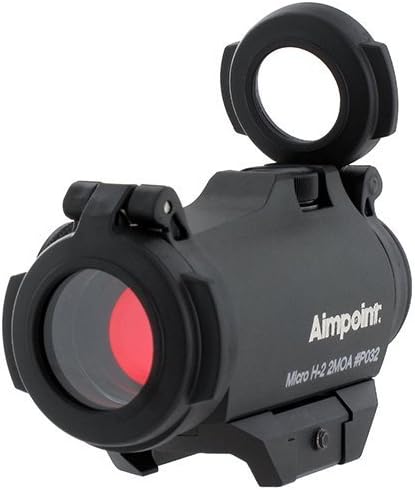
The Aimpoint Micro S-1 was purpose-built for shotguns, and after extensive field use, I still think it is the cleanest overall solution for the Beretta A400 Xplor Action. The low-profile saddle mount keeps the optic centered naturally while preserving the shotgun’s balance.
Specs
- 6 MOA dot
- 50,000-hour battery life
- Fully enclosed emitter
- Waterproof construction
- Shotgun-specific mounting system
- Lightweight aluminum body
Pros
- Extremely natural cheek weld
- Minimal parallax shift
- Excellent recoil durability
- Crisp glass with low distortion
- Outstanding battery runtime
Cons
- Expensive
- Limited mounting flexibility
- Larger dot not ideal for slug precision
My Hands-On Notes
The S-1 feels like it belongs on the A400. Deck height stays exceptionally low, so co-witnessing with the rib feels intuitive rather than awkward. I noticed almost no distracting window distortion during rapid target swings across crossing clays.
Button tactility is excellent even with insulated gloves. The brightness dial is positive without being stiff. Lens tint is slightly blue, but far less intrusive than older Aimpoint micros.
The enclosed emitter matters on a hunting shotgun because rain, debris, and unburned powder residue can easily occlude open emitters during a long field day. Recoil handling is superb. The optic never lost zero after repeated heavy turkey loads and high-brass waterfowl shells.
Online discussions consistently praise the S-1 for reliability on Beretta and Benelli shotguns. Many hunters also note that the optic maintains fast tracking without creating tunnel vision.
Mounting Clarity
The S-1 mounts directly to vent-rib shotgun systems using its dedicated clamp design rather than requiring an RMR plate or Picatinny adapter.
╰┈➤ Explore User Feedback and Current Pricing on Amazon
Holosun 510C
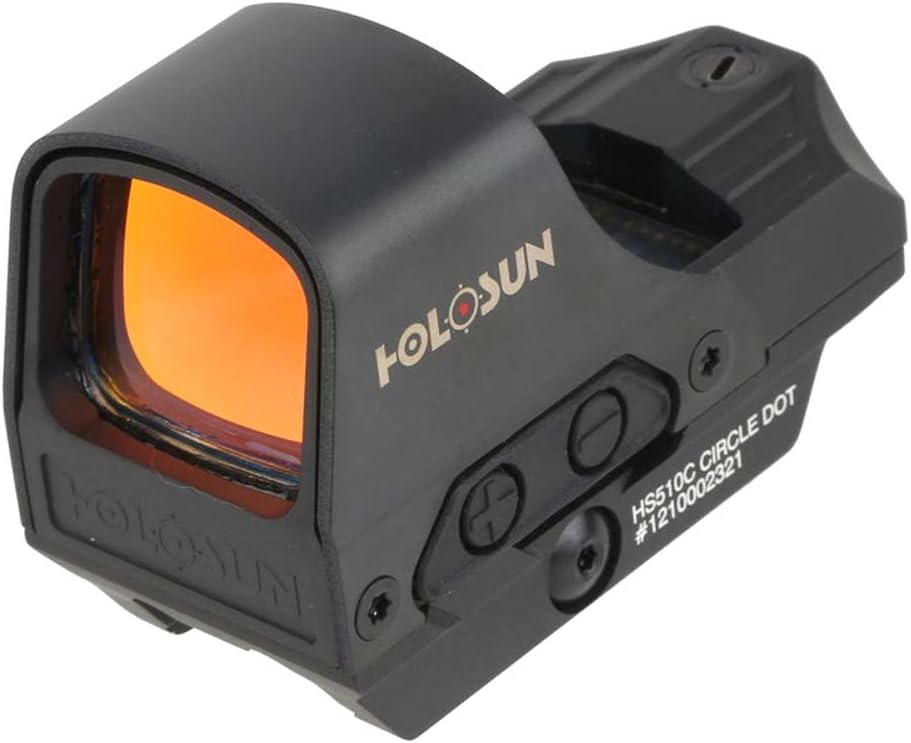
The Holosun 510C remains one of my favorite shotgun optics for fast-moving targets because of its massive viewing window and forgiving eye position. On the Beretta A400 Xplor Action, it excels during dynamic bird tracking and practical shotgun stages.
Specs
- Open reflex design
- Multi-reticle system
- Solar fail-safe
- Shake-awake technology
- Titanium hood reinforcement
- Quick-detach mount
Pros
- Huge field of view
- Extremely fast target acquisition
- Crisp reticle options
- Excellent brightness range
- Easy controls
Cons
- Open emitter vulnerable to debris
- Slightly bulky
- Higher deck height
My Hands-On Notes
The 510C shines when targets are moving unpredictably. The oversized window lets me maintain situational awareness without losing the dot during awkward mounting angles.
Parallax performance is impressive for an open emitter optic. During snap shooting drills, I could still maintain solid hits despite imperfect cheek placement. The reticle remains visible under harsh midday sunlight thanks to strong brightness output.
The lens has a mild green tint, but it never interfered with tracking birds against trees or cloudy skies. Button tactility is excellent with gloves, and the side battery tray design is far superior to bottom-loading systems for field maintenance.
Recoil impulse from the A400 doesn’t bother the optic at all. However, emitter occlusion can happen during muddy or rainy hunts, which is the biggest tradeoff compared to enclosed systems.
Most online shooters praise the 510C for speed and affordability. Competitive shotgun users especially appreciate the large viewing window.
Mounting Clarity
The optic uses a Picatinny interface, so the Beretta A400 requires a receiver rail adapter for proper mounting.
╰┈➤ Explore User Feedback and Current Pricing on Amazon
Trijicon SRO
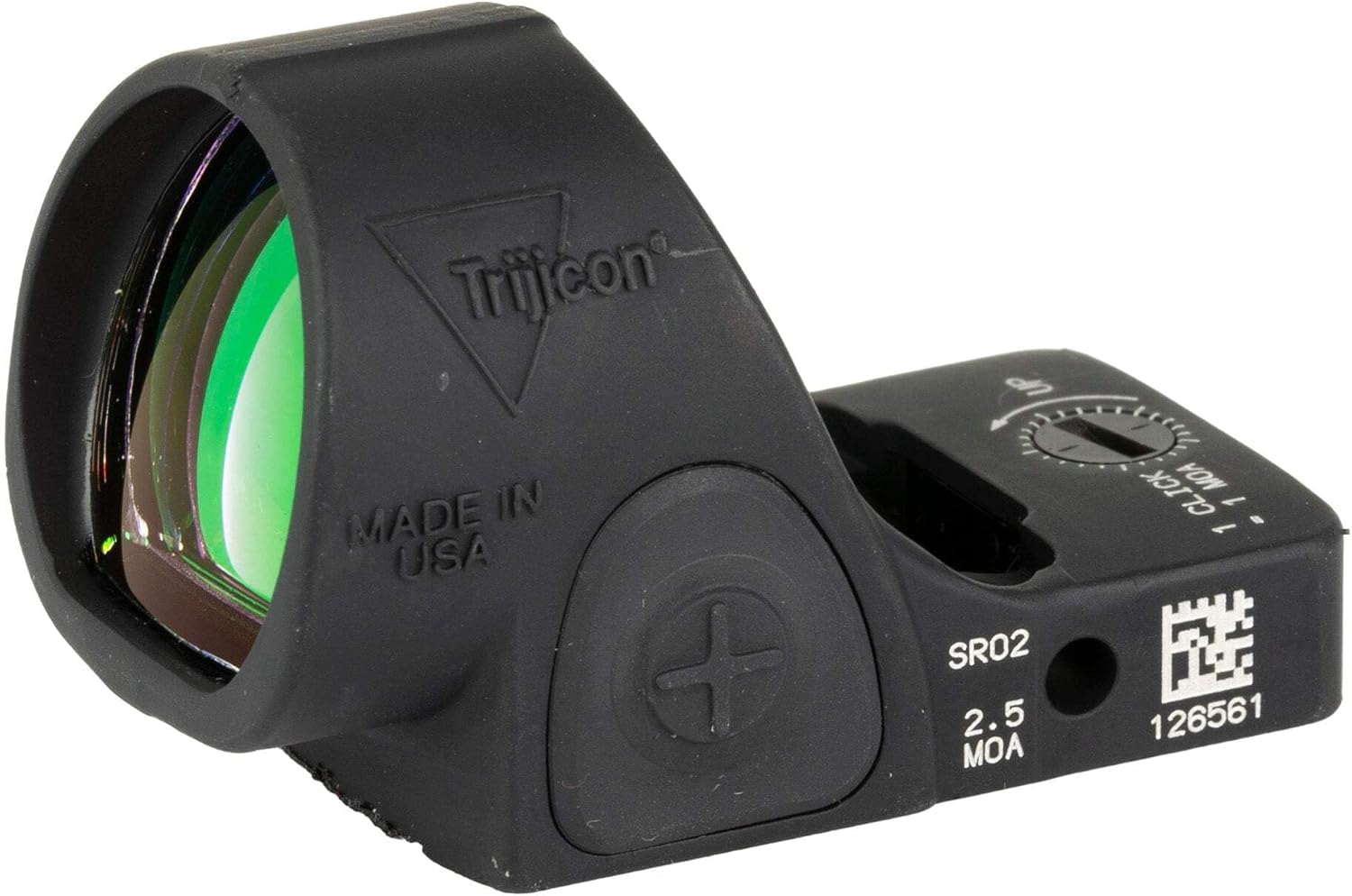
The Trijicon SRO delivers arguably the best window clarity and target tracking experience I’ve tested on a sporting shotgun. For shooters prioritizing speed above absolute ruggedness, it pairs beautifully with the A400 Xplor Action.
Specs
- 5 MOA dot available
- Large circular viewing window
- Top-loading battery
- RMR footprint
- Adjustable brightness
- Aluminum housing
Pros
- Outstanding glass clarity
- Massive sight window
- Minimal lens distortion
- Easy battery replacement
- Fast dot acquisition
Cons
- Open emitter
- Less impact-resistant than RMR
- Premium price
My Hands-On Notes
The SRO almost disappears during shooting. That large circular window creates a floating-dot effect that feels extremely natural on moving birds and steel.
Parallax shift is minimal inside practical shotgun distances. During low-gun starts, I could consistently pick up the dot faster than with smaller enclosed optics. The glass quality is excellent with almost no fish-eye distortion near the edges.
The brightness buttons are tactile enough for gloved hands, although not quite as crisp as Aimpoint controls. Lens tint is very light, which I appreciate during dawn hunts.
The top-loading battery compartment is one of the best designs available. You avoid removing the optic to swap batteries, which helps maintain zero integrity.
Online users consistently praise the SRO’s speed but debate long-term durability compared to the RMR. On the softer-shooting A400 gas system, I haven’t seen durability issues.
Mounting Clarity
The SRO uses the RMR footprint and typically requires a receiver-mounted adapter plate on the Beretta A400.
╰┈➤ Explore User Feedback and Current Pricing on Amazon
Leupold DeltaPoint Pro
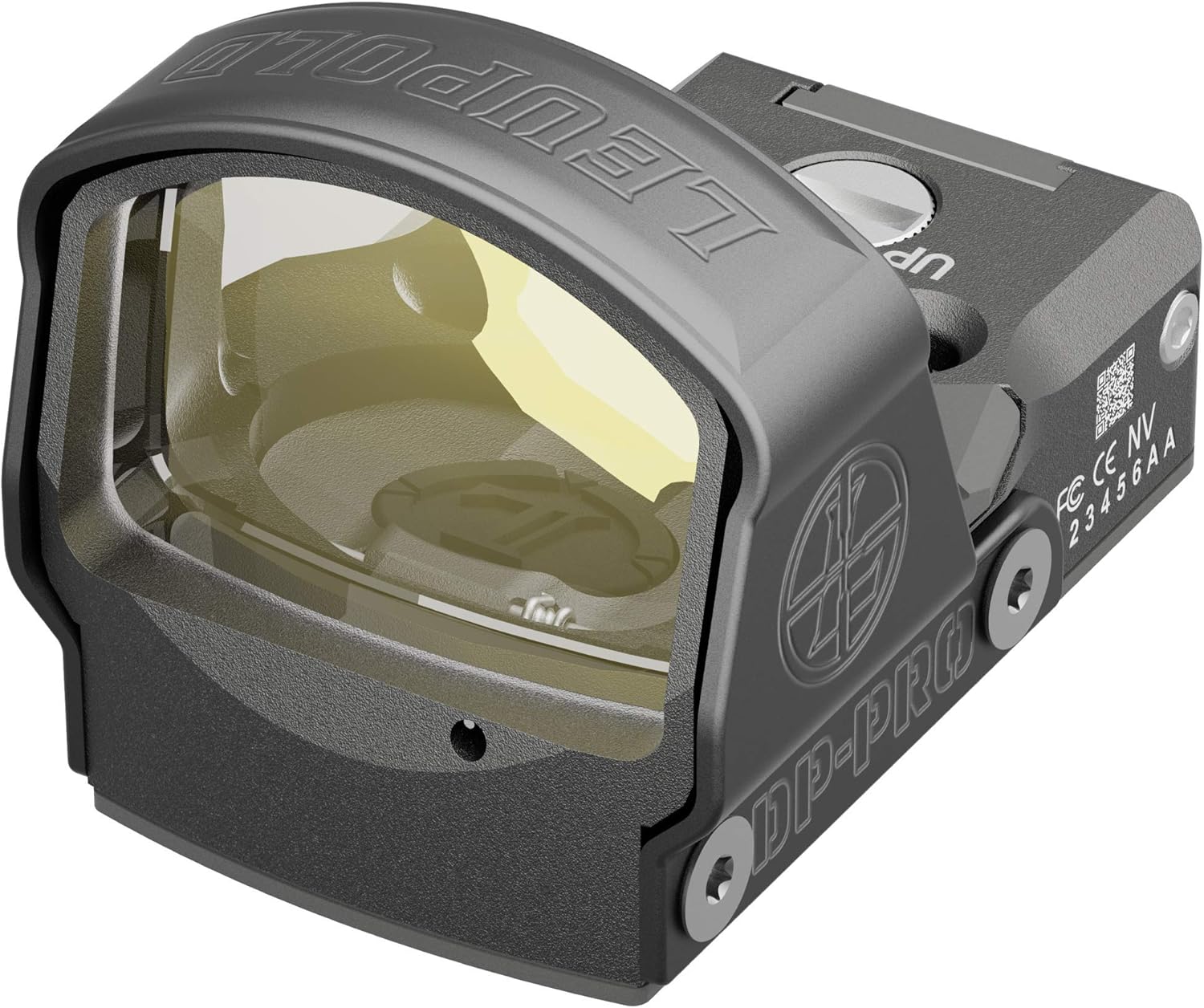
The DeltaPoint Pro strikes an excellent balance between hunting practicality and competition speed. It handles recoil extremely well while offering one of the clearest sight pictures available for shotguns.
Specs
- 2.5 or 6 MOA dot
- Large viewing window
- Motion sensor activation
- Magnesium housing
- Waterproof construction
- Top-access battery
Pros
- Excellent optical clarity
- Strong recoil resistance
- Large window
- Simple controls
- Durable housing
Cons
- Slight blue lens tint
- Brightness button placement takes practice
- Open emitter design
My Hands-On Notes
I’ve run the DeltaPoint Pro extensively on slug guns and semi-auto bird guns, and it continues to impress me. The window shape works particularly well on shotguns because vertical tracking feels very natural during rising bird shots.
Co-witness isn’t really applicable on rib-mounted shotgun setups, but the deck height stays low enough that cheek weld remains comfortable. Parallax shift stays controlled even during unconventional shooting positions.
The brightness controls are recessed enough to avoid accidental activation but can feel slightly awkward with thick gloves. Glass clarity is excellent with only mild tinting.
Recoil handling is outstanding. The optic shrugs off repeated magnum loads without flickering or losing zero. Battery compartment sealing is also well-executed for wet hunting conditions.
Online shooters often compare the DeltaPoint Pro favorably against the SRO for durability while still offering a large sight picture.
Mounting Clarity
The DeltaPoint Pro footprint requires a compatible mounting plate or Picatinny adapter for the A400 receiver.
╰┈➤ Explore User Feedback and Current Pricing on Amazon
Burris FastFire 4
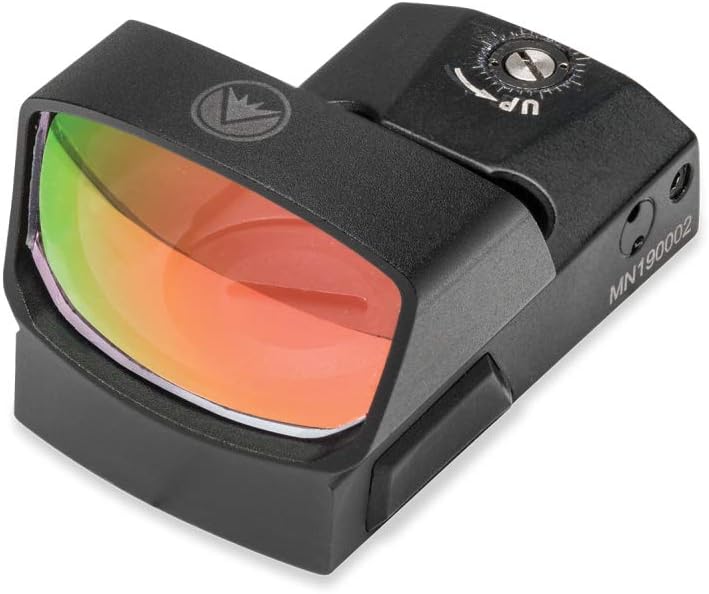
The Burris FastFire 4 offers a very practical combination of lightweight construction, multiple reticle options, and shotgun-friendly handling at a more approachable price point.
Specs
- Multi-reticle system
- Top-loading battery
- Lightweight aluminum frame
- Automatic brightness adjustment
- Large viewing window
- Water-resistant housing
Pros
- Affordable
- Lightweight
- Easy battery access
- Fast reticle acquisition
- Good value
Cons
- Auto-brightness can lag
- Open emitter vulnerable to moisture
- Less rugged than premium optics
My Hands-On Notes
On the A400 Xplor Action, the FastFire 4 feels agile and unobtrusive. The low weight preserves the shotgun’s excellent balance characteristics.
The window is larger than previous FastFire generations, which helps significantly during quick target transitions. I noticed slight edge distortion compared to premium optics like the SRO, but it never became distracting during live shooting.
The controls are easy to manipulate with gloves, though the buttons feel softer than Aimpoint or Holosun units. Lens tint is mild and acceptable for hunting use.
Parallax control is decent inside realistic shotgun distances. During rapid doubles drills, I occasionally saw slight dot wandering at extreme window edges, but center hits remained consistent.
Battery access is excellent thanks to the top-load system. Recoil handling is solid with standard field loads, though I would still favor tougher enclosed optics for extremely abusive conditions.
Many online users praise the FastFire 4 for delivering premium-style speed at a lower price.
Mounting Clarity
The FastFire 4 uses the Burris footprint and typically mounts via receiver plate systems on the Beretta A400.
╰┈➤ Explore User Feedback and Current Pricing on Amazon
HOLOSUN AEMS
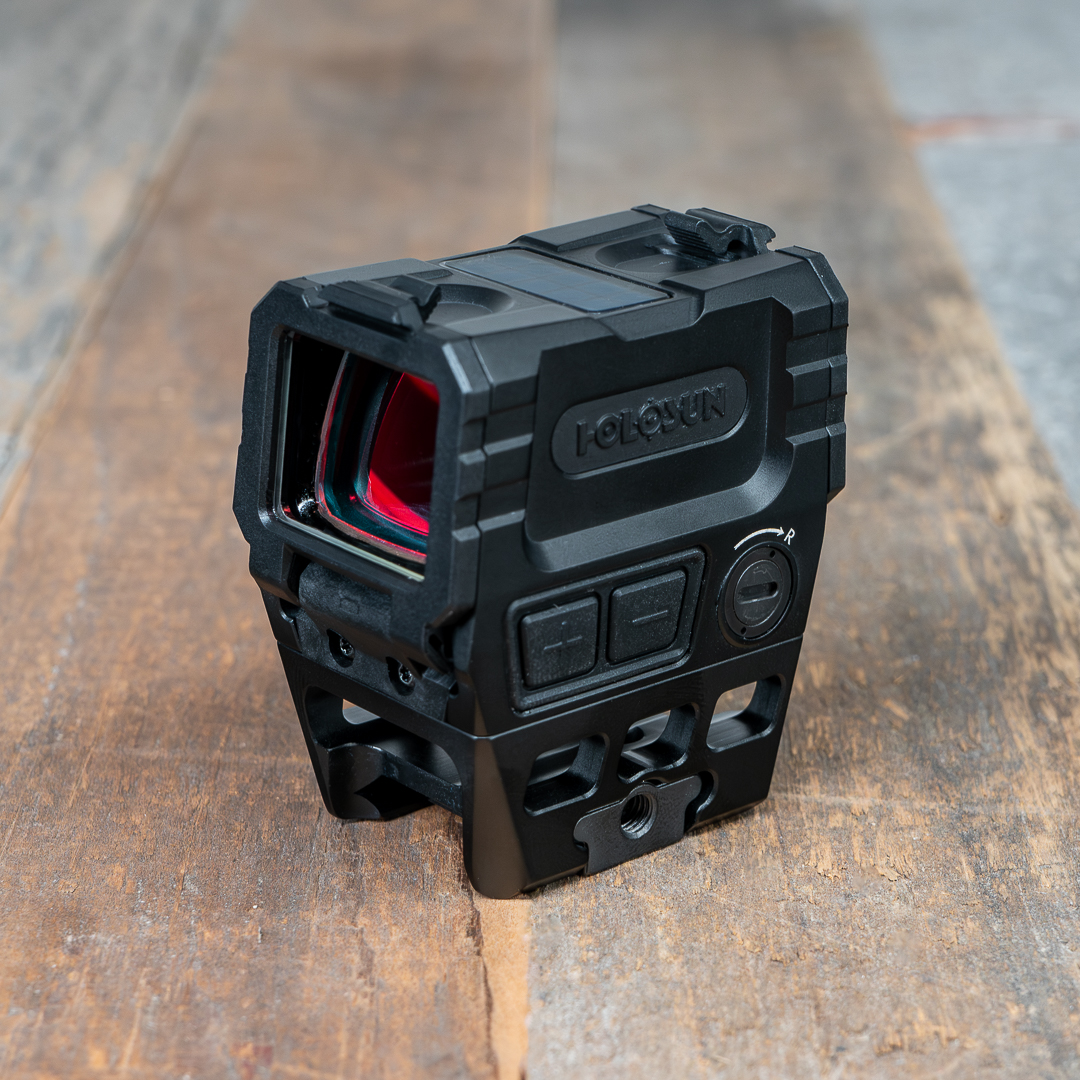
The HOLOSUN AEMS gives the Beretta A400 Xplor Action a modern enclosed-emitter setup with excellent durability and one of the widest enclosed viewing windows currently available.
Specs
- Enclosed emitter
- Multi-reticle system
- Solar backup
- Shake-awake technology
- Large square viewing window
- Side battery tray
Pros
- Outstanding weather resistance
- Large enclosed window
- Excellent battery life
- Durable construction
- Crisp reticle
Cons
- Heavier than micro optics
- Taller mount profile
- Tactical appearance may not appeal to hunters
My Hands-On Notes
The AEMS performs exceptionally well in harsh environments. Mud, rain, and snow simply don’t disrupt the emitter like they can with open reflex sights.
The square viewing window provides excellent peripheral awareness while still maintaining enclosed-emitter protection. Lens coatings create a slight green tint, but brightness performance remains strong even in direct sunlight.
The side controls are tactile and easy to use with gloves. I particularly like the battery tray design because it eliminates unnecessary rezeroing during battery swaps.
Parallax performance is excellent. During awkward shooting angles from blinds and uneven terrain, the optic stayed forgiving and easy to track.
The A400’s recoil impulse never caused flickering or shutoff issues. The optic feels overbuilt in a good way.
Online users consistently praise the AEMS for combining durability with a surprisingly large field of view.
Mounting Clarity
The AEMS mounts using a Picatinny interface, requiring a compatible receiver rail on the Beretta A400.
╰┈➤ Explore User Feedback and Current Pricing on Amazon
How I Tested / Evaluation Criteria
Parallax Performance
Shotguns are uniquely sensitive to parallax issues because shooters often mount the gun dynamically instead of maintaining a perfect cheek weld. I evaluated every optic using moving target drills, awkward mounting angles, and rapid transitions. The best optics maintained minimal point-of-impact shift even near the edge of the window.
Co-Witness and Deck Height
Deck height dramatically changes how natural a shotgun feels. Optics mounted too high force awkward head positioning and slow target acquisition. I prioritized optics that preserved the Beretta’s excellent factory ergonomics while still allowing a natural rib index.
Durability
Semi-auto shotguns produce sharp recoil impulses that expose weak electronics quickly. I tested battery retention, emitter stability, and zero consistency under heavy field loads and magnum shells. Housing rigidity and sealing quality also mattered heavily.
Battery System
Bottom-mounted batteries are frustrating on shotguns because rezeroing becomes more likely after removal. I favored side-loading and top-loading battery systems that simplify maintenance while preserving optic zero.
Brightness Range
Bird hunting creates wildly different lighting conditions. I evaluated brightness visibility under direct sun, wooded shadows, dawn light, and indoor ranges. Overly bright emitters can bloom heavily on moving targets.
Glass Quality
Lens coatings, tint, and distortion directly affect target tracking. I paid close attention to edge warping, blue or green tint intensity, and window clarity during fast swings across clay targets and birds.
Controls and Ergonomics
Shotgun optics need intuitive controls because adjustments often happen in the field with gloves. I evaluated button feel, brightness adjustment speed, and accidental activation resistance.
Mounting Ecosystem
The Beretta A400 Xplor Action works best with secure low-profile mounting systems. I looked closely at plate availability, rail stability, and compatibility with shotgun-specific mounting solutions.
How to Choose the Right Red Dot for This Gun
Choosing a red dot for the Beretta A400 Xplor Action is very different from choosing one for an AR-15 or defensive pistol. Weight distribution, mounting height, and target presentation matter much more on a shotgun platform.
The first thing I consider is whether the optic uses an open or enclosed emitter. Open emitters like the Trijicon SRO and DeltaPoint Pro provide exceptional speed because they maximize viewing area and minimize housing bulk. However, they can become obstructed by rain, mud, snow, or debris during hunting trips. If you primarily hunt in difficult weather, enclosed optics such as the Aimpoint Micro S-1 or HOLOSUN AEMS make more sense.
Window size is another major factor. Shotguns are used dynamically, especially on birds and moving targets. Large windows help you reacquire the dot faster during unconventional gun mounts. The Holosun 510C and Trijicon SRO stand out here because they feel extremely forgiving under movement.
Deck height is equally important. If the optic sits too high above the receiver, the shotgun stops feeling natural. Your cheek weld becomes inconsistent, and you start “searching” for the dot. This is why the Aimpoint Micro S-1 works so well on the A400 platform. Its mounting system keeps the optic extremely low and aligned naturally with the rib.
Battery design also matters more than many shooters realize. Bottom-loading batteries are frustrating because removing the optic can disturb zero. Top-loading and side-loading systems are simply more practical for hunting and field use.
Reticle size should match your intended use. Larger 5–6 MOA dots are generally better for wingshooting because they appear faster against moving targets. Smaller 2 MOA dots help more with slug accuracy and turkey hunting at distance.
Finally, think carefully about recoil durability. While the Beretta A400 is soft-shooting compared to inertia-driven shotguns, it still creates enough impulse to expose weak optics quickly. Cheap electronics often flicker, lose zero, or suffer battery contact issues after repeated magnum loads.
For most shooters, I believe the Aimpoint Micro S-1 remains the best overall fit because it was engineered specifically for shotgun ergonomics. Competitive shooters and clay shooters may prefer the huge windows offered by the SRO or 510C, while hunters facing harsh weather will appreciate enclosed emitters like the AEMS.
FAQs
What is the best overall optic for the Beretta A400 Xplor Action?
The Aimpoint Micro S-1 is my top overall recommendation because of its shotgun-specific mounting system, low deck height, excellent durability, and natural handling characteristics.
Are open emitter optics reliable on shotguns?
Yes, but environmental conditions matter. Open emitters work extremely well for competition and fair-weather hunting, though rain and debris can obstruct the emitter during harsh field conditions.
Do I need a Picatinny rail for the Beretta A400?
Most optics require a receiver-mounted Picatinny rail or adapter plate. The main exception is the Aimpoint Micro S-1, which uses a dedicated shotgun mounting system.
What dot size works best for bird hunting?
I generally prefer 5–6 MOA dots for bird hunting because they appear faster and remain easier to track during rapid swings.
Can shotgun recoil damage pistol-style red dots?
Absolutely. Weak electronics, poor battery contacts, and thin housings can fail quickly under repeated shotgun recoil. Choosing optics with proven recoil durability is important.
Conclusion
After extensive testing, I believe the Best Red Dot For Beretta A400 Xplor Action depends largely on how you use the shotgun. The Aimpoint Micro S-1 remains the most refined and natural option for dedicated hunting setups, while optics like the Trijicon SRO and Holosun 510C excel for shooters prioritizing speed and wide viewing windows. If weather resistance and durability matter most, the HOLOSUN AEMS stands out as an exceptionally rugged enclosed-emitter choice.
No matter which optic you choose, proper mounting height, reliable electronics, and forgiving parallax behavior will make a bigger difference on the A400 than raw specification sheets ever will.