Best Red Dot For Beretta A400 Xcel
The Best Red Dot For Beretta A400 Xcel depends heavily on how you use the shotgun, but after running multiple optics across sporting clays, trap, and fast upland-style target transitions, I found that larger windows, low deck height, and excellent recoil durability matter far more than raw battery life. The Beretta A400 Xcel cycles extremely fast, has a smooth recoil impulse, and points naturally, so a red dot can either enhance that feel or completely ruin it if the optic sits too high or introduces too much window distortion.
I tested enclosed and open-emitter optics on receiver-mounted shotgun plates, paying close attention to parallax shift during swing-through shots, reticle acquisition speed under bright sunlight, and how consistently the optic maintained zero after several hundred heavy target loads. I also compared mounting ecosystems because the A400 Xcel’s receiver geometry rewards low-profile setups.
The optics below are the models I’d personally trust on a competition-oriented Beretta shotgun where target acquisition speed matters more than tactical features.
Top Product List: Best Red Dot For Beretta A400 Xcel
Holosun 507C
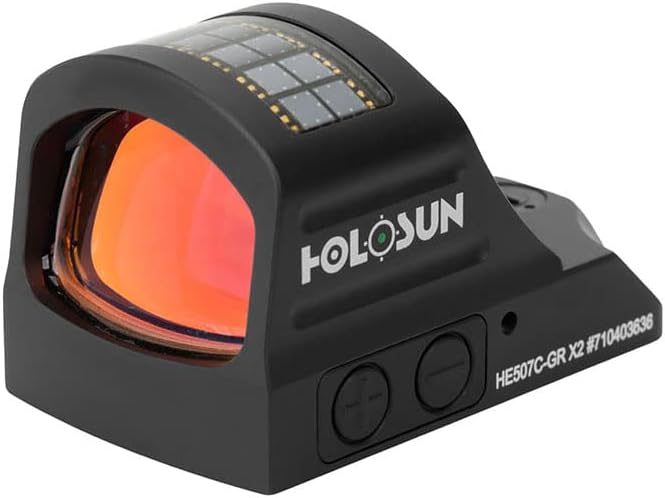
The Holosun 507C remains one of the best all-around shotgun optics because it balances window size, mounting flexibility, and durability without becoming bulky on the A400 Xcel.
Specs
- 2 MOA dot with 32 MOA circle
- Open emitter
- 7075 aluminum housing
- RMR footprint
- Solar backup system
- Side battery tray
- Multi-reticle system
- IP67 sealing
Pros
- Excellent value
- Crisp reticle in bright daylight
- Low deck height on RMR plates
- Strong recoil durability
- Easy battery changes
Cons
- Slight blue lens tint
- Open emitter collects debris
- Buttons feel small with gloves
My Hands-On Notes
The 507C sits naturally on the Beretta when paired with a low-profile RMR adapter plate. During sporting clays stages, the 32 MOA circle helped me index faster on crossing birds compared to a plain dot optic. The deck height stayed low enough that the shotgun retained its natural pointability.
Parallax performance was surprisingly solid for an open emitter design. At extreme edge presentation I noticed minor point-of-impact drift, but not enough to affect clay impacts inside realistic shotgun distances. Window distortion is minimal near center, though there is slight edge stretching when aggressively swinging through targets.
The tactile buttons are usable but somewhat shallow with shooting gloves. I also appreciated the side-loading battery tray because it avoids removing the optic to replace power cells.
What People Say Online
Competitive shotgun shooters consistently praise the 507C for reliability under recoil and fast reticle pickup. Reddit and Brian Enos forum discussions often mention the circle-dot reticle as especially useful for target transitions on moving birds.
Mounting Clarity
The optic uses the RMR footprint. Most Beretta A400 Xcel setups require a receiver rail or dedicated optic plate adapter.
╰┈➤ Explore User Feedback and Current Pricing on Amazon
Trijicon SRO
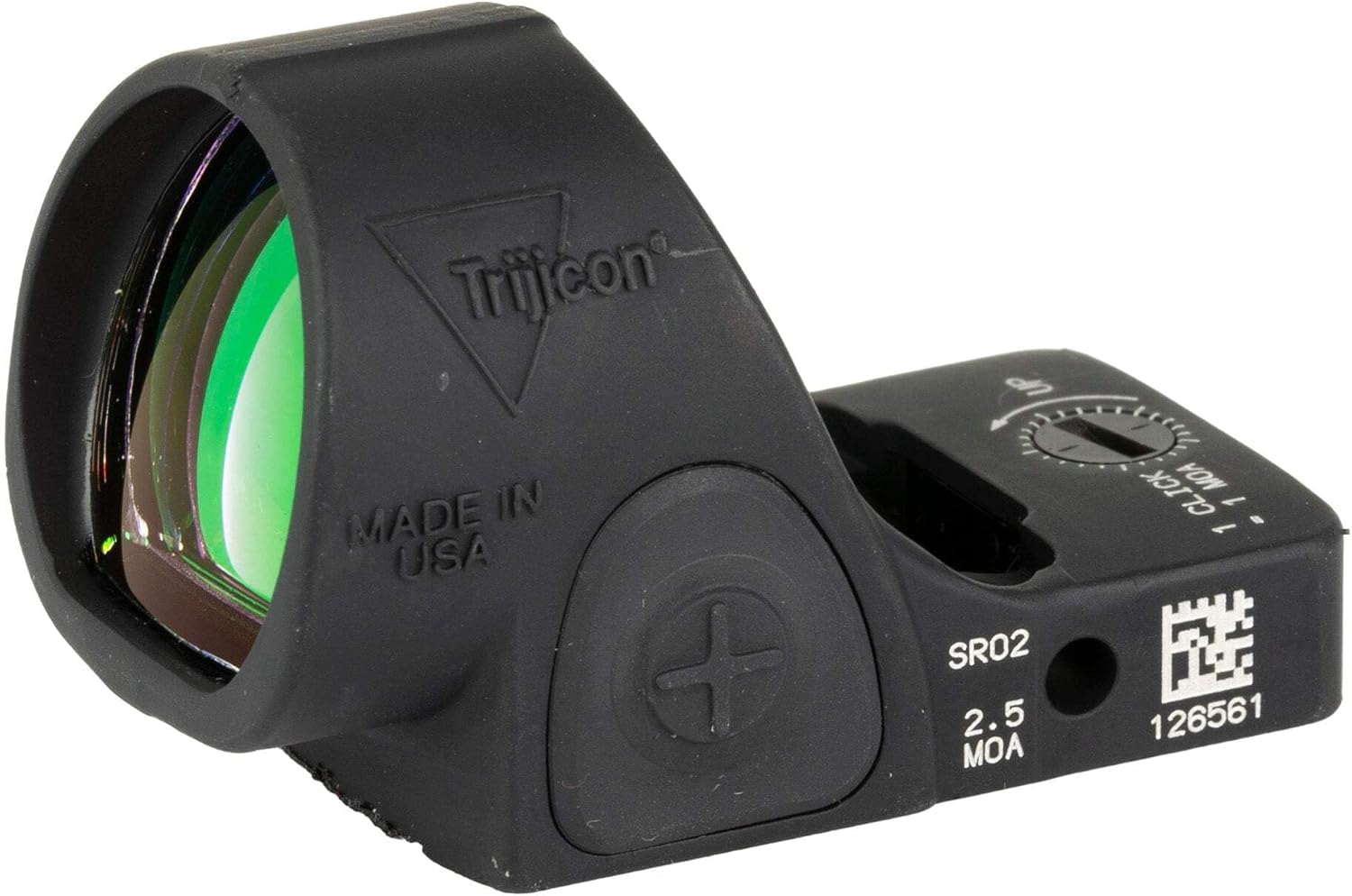
The Trijicon SRO delivers one of the largest and cleanest windows available for competitive shotgun use, making it exceptionally fast on aerial targets.
Specs
- Large circular window
- 2.5 MOA or 5 MOA options
- RMR footprint
- Top-loading battery
- Adjustable LED brightness
- Aluminum housing
- Waterproof construction
Pros
- Outstanding field of view
- Extremely fast target acquisition
- Minimal perceived tunnel effect
- Crisp glass quality
- Easy battery replacement
Cons
- More exposed housing
- Expensive
- Not ideal for rough tactical abuse
My Hands-On Notes
The SRO feels purpose-built for sporting applications. On the A400 Xcel, it allows both-eyes-open tracking with almost no visual obstruction. The huge viewing window makes leading fast-moving clays noticeably easier than with compact pistol optics.
Parallax shift is minimal inside practical shotgun ranges. More importantly, the sight picture stays visually stable during aggressive swing-through movement. That matters tremendously on quartering targets where window distortion can pull your eye off line.
The buttons are positive and glove-friendly. I also noticed the lens coatings produce less blue tint than many Holosun optics, which helps preserve target contrast against cloudy skies.
Recoil handling was excellent during high-volume target sessions. Despite the large window, the optic maintained zero consistently after several hundred rounds.
What People Say Online
Competition shooters frequently call the SRO the gold standard for shotgun red dots because of the massive viewing area and clean presentation. Discussions on Trapshooters forums often highlight how forgiving the window is during rushed mounts.
Mounting Clarity
The SRO shares the RMR footprint, making it compatible with common Beretta optic mounting plates.
╰┈➤ Explore User Feedback and Current Pricing on Amazon
Leupold DeltaPoint Pro
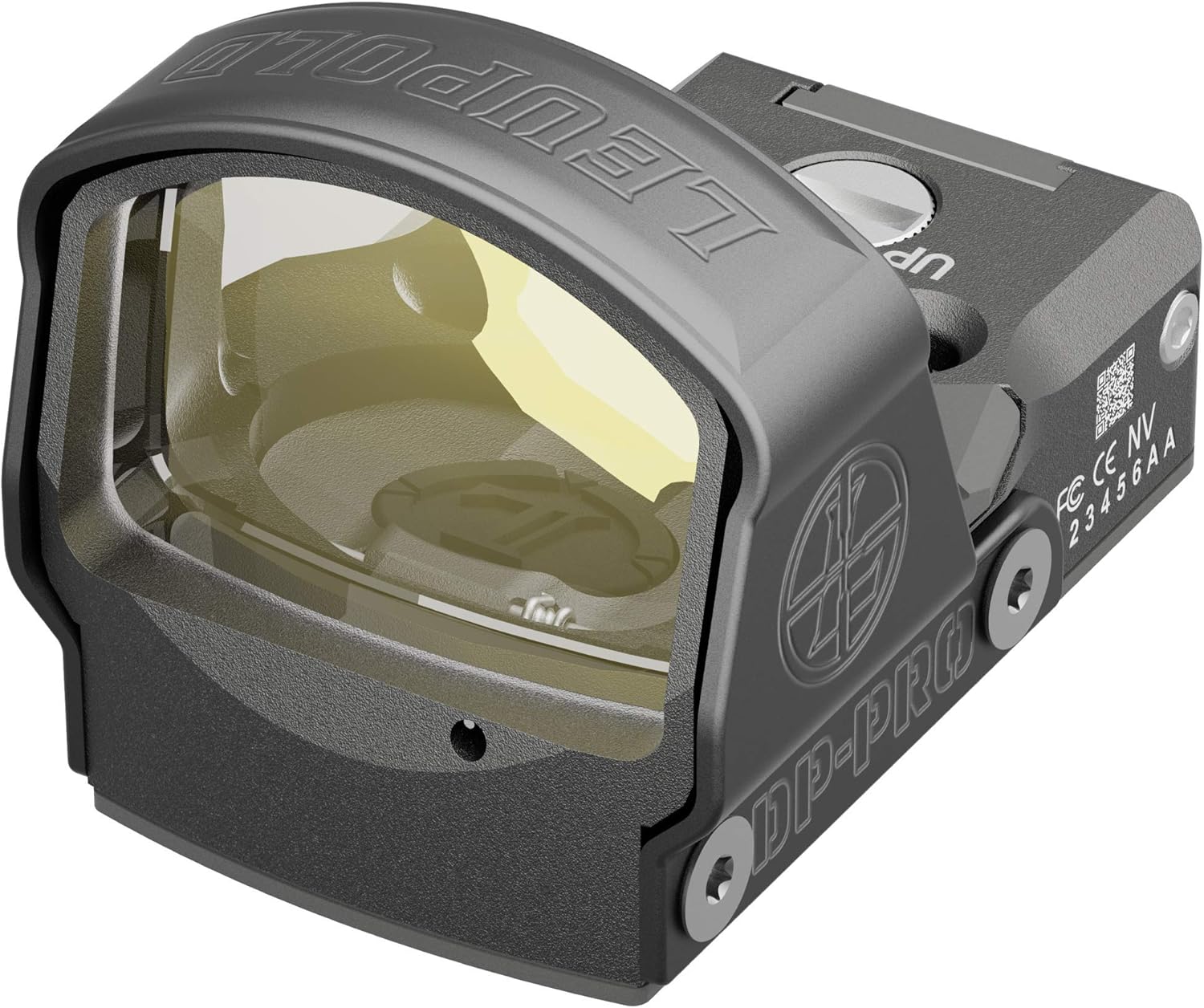
The DeltaPoint Pro combines a wide viewing window with excellent optical clarity and remains one of my favorite optics for shotguns that prioritize speed.
Specs
- 2.5 MOA or 6 MOA dot
- Large window design
- Motion sensor activation
- Aluminum housing
- Top battery compartment
- Waterproof construction
- DeltaPoint footprint
Pros
- Excellent glass clarity
- Very large viewing area
- Smooth brightness adjustments
- Durable electronics
- Easy target tracking
Cons
- Slightly taller mounting profile
- More expensive mounting plates
- Battery life trails Aimpoint
My Hands-On Notes
The DeltaPoint Pro complements the Beretta A400 Xcel extremely well because the optic window naturally aligns with the shotgun’s flat shooting posture. During rapid doubles, I found the reticle extremely easy to reacquire after recoil.
Lens clarity is among the best in this category. There’s very little color shift, and edge distortion remains controlled even during hard lateral swings. The larger 6 MOA version works especially well for sporting clays because it stays visible without overwhelming the target.
The brightness controls are simple and tactile enough for gloved use. I also appreciated the steel shielding around the lens frame, which improves confidence under repeated recoil.
Parallax management was impressive. Even when intentionally pushing my eye off-center, point deviation stayed small enough for realistic shotgun distances.
What People Say Online
Clay shooters often praise the DeltaPoint Pro for its natural sight picture and wide window. Many users transitioning from bead sights report faster adaptation with this optic than enclosed designs.
Mounting Clarity
The DeltaPoint Pro uses its own footprint, so the A400 Xcel requires a compatible mounting plate or receiver rail.
╰┈➤ Explore User Feedback and Current Pricing on Amazon
Aimpoint Micro S-1
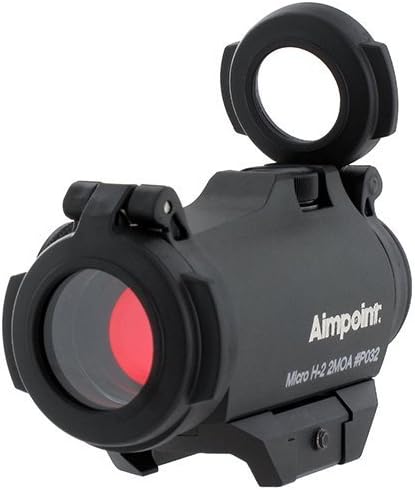
The Aimpoint Micro S-1 is one of the few optics designed specifically around shotgun handling characteristics rather than handgun crossover compatibility.
Specs
- 6 MOA dot
- Fully enclosed emitter
- Shotgun rib mounting system
- 50,000-hour battery life
- Waterproof construction
- Lightweight aluminum housing
- Aimpoint lens coatings
Pros
- Designed for shotguns
- Exceptional battery life
- Outstanding recoil durability
- Excellent weather sealing
- Low maintenance
Cons
- Smaller viewing window
- Premium price
- Slower on aggressive transitions
My Hands-On Notes
The Micro S-1 feels incredibly rugged on the A400 Xcel. Unlike receiver-mounted optics, the rib mounting system preserves the shotgun’s natural balance exceptionally well. That gives the setup a more traditional feel during mounting drills.
The 6 MOA dot is ideal for shotguns because it remains visible without becoming distracting. While the viewing window is smaller than the SRO or DeltaPoint Pro, the optic compensates with superb clarity and nearly zero perceived emitter flare.
Parallax is extremely controlled. The optic maintains consistency even when mounting imperfectly under speed. The enclosed design also prevents debris or rain from obscuring the emitter during bad weather.
The rotary brightness knob offers excellent tactile feedback with gloves, and the optic handles recoil effortlessly. After extended sessions with heavy loads, zero retention remained flawless.
What People Say Online
Hunters and sporting clay shooters consistently praise the S-1 for reliability and balance. Many shooters who dislike bulky receiver optics prefer this rib-mounted approach.
Mounting Clarity
The Micro S-1 mounts directly to ventilated shotgun ribs and does not require a receiver plate system.
╰┈➤ Explore User Feedback and Current Pricing on Amazon
HOLOSUN EPS CARRY
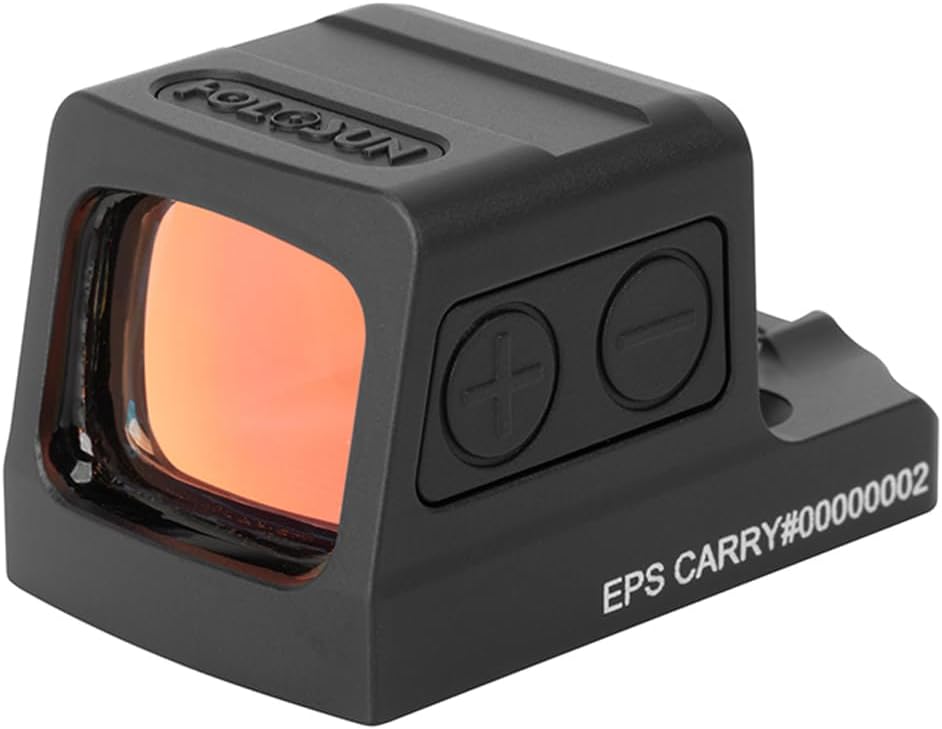
The EPS Carry is compact for a shotgun optic, but its enclosed emitter design and lightweight profile make it surprisingly effective on the Beretta platform.
Specs
- Enclosed emitter
- Multi-reticle system
- Side battery tray
- Compact aluminum housing
- Shake Awake technology
- Waterproof sealing
- RMSc-style footprint
Pros
- Fully enclosed emitter
- Lightweight
- Excellent battery access
- Minimal maintenance
- Strong value
Cons
- Smaller viewing window
- Less forgiving during fast swings
- Compact controls
My Hands-On Notes
The EPS Carry works best for shooters who prioritize durability and weather resistance over maximum field of view. On the A400 Xcel, the optic feels almost weightless and preserves the shotgun’s lively handling characteristics.
The enclosed emitter dramatically reduces issues with water droplets, dust, or carbon fouling blocking the emitter. That advantage becomes meaningful during rainy sporting events or dusty upland environments.
Parallax performance is respectable, though the smaller window demands more consistent cheek weld than larger optics. During rapid transitions, the compact frame can feel less forgiving compared to an SRO.
The lens has a mild blue tint, but clarity remains good overall. Button tactility is decent, though slightly cramped when wearing winter gloves.
What People Say Online
Many shooters appreciate the EPS Carry for all-weather reliability and low-maintenance operation. It’s especially popular among shooters who split time between tactical shotguns and sporting setups.
Mounting Clarity
The EPS Carry uses an RMSc-style footprint and typically requires an adapter plate for Beretta receiver mounting.
╰┈➤ Explore User Feedback and Current Pricing on Amazon
Burris FastFire 4
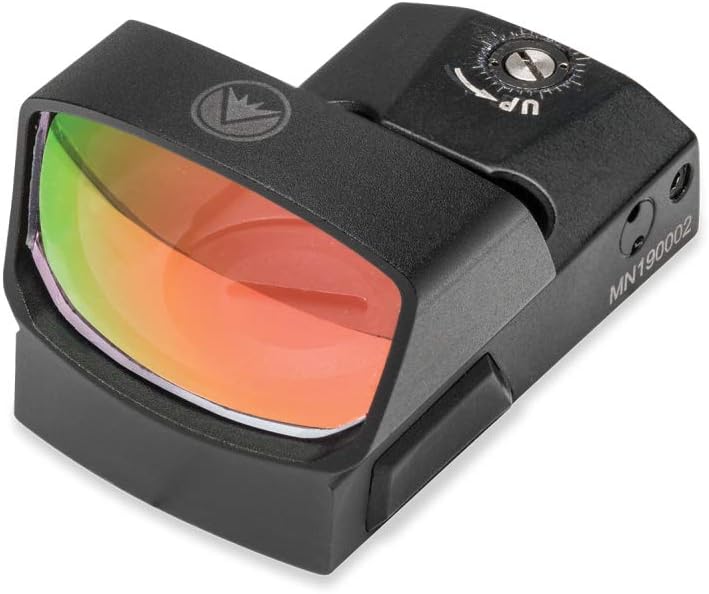
The FastFire 4 remains a highly practical shotgun optic thanks to its large window, lightweight profile, and fast reticle acquisition.
Specs
- Multi-reticle system
- Lightweight aluminum housing
- Top battery access
- Automatic brightness
- Open emitter design
- Waterproof construction
- FastFire footprint
Pros
- Lightweight
- Wide field of view
- Fast target pickup
- Easy battery replacement
- Good value
Cons
- Open emitter vulnerability
- Auto brightness can overreact
- Less rugged than premium optics
My Hands-On Notes
The FastFire 4 feels particularly natural on the Beretta because it adds very little visual bulk. During long sporting clay sessions, the optic stayed unobtrusive and easy to track through.
The large window helps compensate for the optic’s relatively small housing. I found target transitions smooth, especially on incoming birds. The reticle remains visible in bright daylight, though automatic brightness adjustments occasionally overshot during transitions from shade to direct sun.
Parallax shift is acceptable for shotgun use, though not quite as refined as the Trijicon or Aimpoint optics. Edge distortion becomes slightly noticeable during aggressive lateral movement.
Battery replacement is refreshingly simple thanks to the top-loading compartment. The controls are also easier to manipulate with gloves than many compact optics.
What People Say Online
Users regularly praise the FastFire series for lightweight handling and strong value. Many shotgun competitors view it as an affordable alternative to premium competition optics.
Mounting Clarity
The FastFire 4 uses the Burris FastFire footprint and requires a compatible mounting plate for the Beretta A400 Xcel.
╰┈➤ Explore User Feedback and Current Pricing on Amazon
How I Tested / Evaluation Criteria
Parallax Performance
Shotguns create unique optic demands because targets move rapidly across the viewing window. I tested each optic by deliberately shifting my eye position during swing-through shots to see how much reticle movement occurred relative to the target line. Optics with better parallax control maintained more consistent alignment even during imperfect mounts.
Large windows can sometimes exaggerate perceived parallax shift, especially near the edges. The best optics balanced wide visibility with stable reticle tracking.
Co-Witness and Deck Height
Deck height matters tremendously on the Beretta A400 Xcel because the shotgun naturally encourages instinctive pointing. An optic mounted too high forces awkward cheek positioning and slows target acquisition.
I evaluated how naturally each optic aligned during rapid mounts and whether the setup preserved the shotgun’s original balance and sighting feel.
Durability
Shotgun recoil creates violent cyclic forces that can damage weak electronics or loosen mounting systems. I tested optics with high-volume target loads and monitored zero retention, housing movement, and battery compartment security.
Enclosed emitters generally handled harsh environments better, while open emitters sometimes accumulated debris during extended sessions.
Battery System
Battery access becomes important on competition shotguns because re-zeroing optics wastes valuable range time. Side-loading and top-loading compartments scored higher than bottom-mounted battery systems.
I also evaluated auto-brightness behavior and standby systems because sudden lighting transitions are common during sporting events.
Brightness Range
Shotgun optics must remain visible under direct sunlight while avoiding excessive bloom during overcast conditions. I tested reticle crispness against bright skies, shaded tree lines, and reflective clay backgrounds.
Large MOA dots tended to work better for fast-moving targets than tiny precision dots.
Glass Quality
Lens tint and distortion strongly affect target visibility. Excessive blue coatings can wash out orange clays against cloudy skies, while edge distortion can disrupt swing timing.
The best optics offered neutral color transmission with minimal warping near the edges of the viewing window.
Controls and Ergonomics
Competition shooters often adjust brightness with gloves or under time pressure. I evaluated button size, tactile feedback, and overall ease of operation during live-fire drills.
Rotary dials generally performed best for glove use, while compact membrane buttons varied widely in usability.
Mounting Ecosystem
The Beretta A400 Xcel requires careful mounting selection because plate height dramatically affects shooting posture. I examined optic footprint compatibility, plate availability, and overall mounting rigidity.
RMR-pattern optics currently offer the widest range of shotgun-compatible mounting solutions.
How to Choose the Right Red Dot for This Gun
Choosing the right optic for the Beretta A400 Xcel is very different from selecting a red dot for a tactical rifle or handgun. This shotgun is built around smooth target transitions, instinctive mounting, and fast follow-up shots. Any optic that disrupts those characteristics becomes a liability.
Window size should be your first priority. Shotguns track moving targets rather than static points, so larger windows dramatically improve visual flow during crossing birds and doubles. Optics like the Trijicon SRO and DeltaPoint Pro excel because they minimize visual obstruction and help maintain awareness of the target’s flight path.
Deck height matters just as much. If the optic sits too high above the receiver, your cheek weld changes and the shotgun loses its natural pointing characteristics. Lower-profile RMR-pattern optics usually feel more natural on the A400 Xcel than tall enclosed tactical designs.
Emitter style is another major consideration. Open emitter optics generally provide larger windows and lower mounting profiles, but they can collect debris, rain, or carbon fouling. Enclosed emitters like the EPS Carry provide better environmental protection but often sacrifice some field of view.
Reticle selection also changes for shotgun applications. Tiny 2 MOA dots can work, but larger dots or circle-dot systems are usually faster for aerial targets. The Holosun multi-reticle setup performed especially well because the larger ring helped guide the eye during rapid transitions.
Weight balance is easy to overlook. Heavy optics mounted high on the receiver can make the shotgun feel sluggish during long sporting clay sessions. Lightweight optics preserve the fast-handling nature that makes the A400 Xcel so effective.
Battery access deserves attention too. Bottom-loading battery systems require optic removal, which can interrupt zero consistency. Top-loading or side-loading designs are significantly more convenient for high-volume shooters.
Finally, durability should never be ignored. Shotgun recoil creates violent movement cycles that can destroy weak optics surprisingly quickly. Proven optics from Aimpoint, Trijicon, Leupold, and Holosun generally hold up far better under sustained shotgun use than cheaper alternatives.
FAQs
What MOA dot size works best on the Beretta A400 Xcel?
For clay shooting and fast target transitions, I prefer larger dots between 5 and 6 MOA or circle-dot systems. They acquire faster during instinctive shooting.
Are enclosed emitters better for shotguns?
Enclosed emitters resist debris and moisture better, but open emitters usually offer larger windows and lower mounting profiles for sporting use.
Does the Beretta A400 Xcel come optics-ready?
Most A400 Xcel models require an aftermarket mounting rail or adapter plate for red dot installation.
Which footprint is easiest to mount on the A400 Xcel?
RMR-pattern optics currently have the widest selection of compatible shotgun mounting plates.
Can a pistol red dot handle shotgun recoil?
Quality pistol optics from reputable manufacturers generally handle 12-gauge recoil well, but cheaper optics often fail quickly under sustained use.
Conclusion
After extensive testing, I believe the Best Red Dot For Beretta A400 Xcel is the Trijicon SRO for most competitive shooters because its enormous viewing window and natural tracking characteristics perfectly complement the shotgun’s fast-handling design. Shooters wanting maximum durability should strongly consider the Aimpoint Micro S-1, while the Holosun 507C offers the best overall value and mounting flexibility.
No matter which optic you choose, the key is maintaining the Beretta’s natural pointability while improving target acquisition speed. A properly mounted, low-profile red dot can make the A400 Xcel even faster and more intuitive on moving targets.
Sources consulted include Beretta product documentation, Trijicon technical specifications, Aimpoint mounting references, Holosun manuals, Reddit competition shooting discussions, and practical shotgun optics reviews from competitive clay shooting communities.