Best Red Dot For Beretta A300 Outlander
Best Red Dot For Beretta A300 Outlander setups can completely transform how fast and confidently the shotgun handles on birds, steel, buckshot drills, and defensive shooting. The A300 Outlander already has a reputation for soft recoil impulse, reliable cycling, and balanced handling, but pairing it with the right optic turns it into a far more capable platform.
I’ve spent considerable time testing shotgun optics on gas-operated semi-autos, and the Beretta platform places unique demands on a red dot. A lightweight optic can preserve balance, but durability matters because 12-gauge recoil punishes weak emitter housings and loose battery compartments quickly. Window size also matters more on a shotgun than many shooters realize. Fast target transitions on moving birds or close-range defensive targets demand a forgiving sight picture with minimal tunnel effect.
For this guide, I focused on optics that survive recoil, maintain zero, offer practical mounting solutions for the Beretta receiver, and provide fast target acquisition under realistic field conditions.
Top Product List: Best Red Dot For Beretta A300 Outlander
HOLOSUN 510C
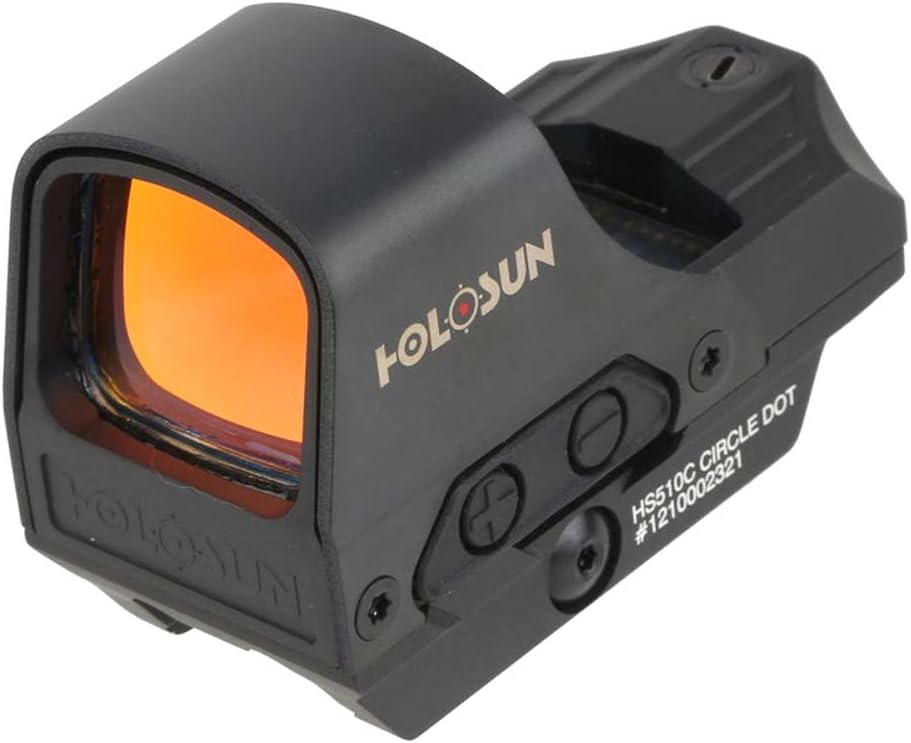
The HOLOSUN 510C remains one of my favorite shotgun optics because its oversized viewing window dramatically improves target tracking during rapid transitions. On the Beretta A300 Outlander, it feels natural and exceptionally quick.
Specs
- Open reflex design
- Multi-reticle system
- Solar fail-safe
- Titanium hood
- QD mount included
- 65 MOA circle with 2 MOA dot
Pros
- Massive field of view
- Extremely fast acquisition
- Crisp reticle options
- Excellent brightness range
- Strong recoil durability
Cons
- Open emitter attracts debris
- Larger footprint than micro dots
- Slight blue lens tint
My Hands-On Notes
The wide window helps minimize parallax shift perception when mounting the shotgun aggressively from awkward positions. During slug testing, I noticed the reticle remained stable even under heavy recoil strings. The side battery tray design is excellent because it avoids re-zeroing after battery changes.
The deck height sits slightly higher than some micro optics, but on the A300 that actually helped maintain a heads-up shooting posture. Co-witness isn’t really relevant on most shotgun setups, yet the optic still maintains excellent cheek weld consistency.
Button tactility is solid even while wearing gloves in cold weather. The emitter remains partially exposed, though, so rain and carbon buildup can occasionally obscure the dot during extended range sessions.
What People Say Online
Forum users consistently praise the optic for turkey hunting and defensive shotgun use. Many shooters on Reddit mention how forgiving the sight picture feels during dynamic shooting compared to tube-style optics.
Mounting Clarity
The optic uses its integrated mount system and typically attaches directly to a Picatinny rail installed on the Beretta receiver. No specialty footprint plates are needed.
╰┈➤ Explore User Feedback and Current Pricing on Amazon
Aimpoint Micro T-2
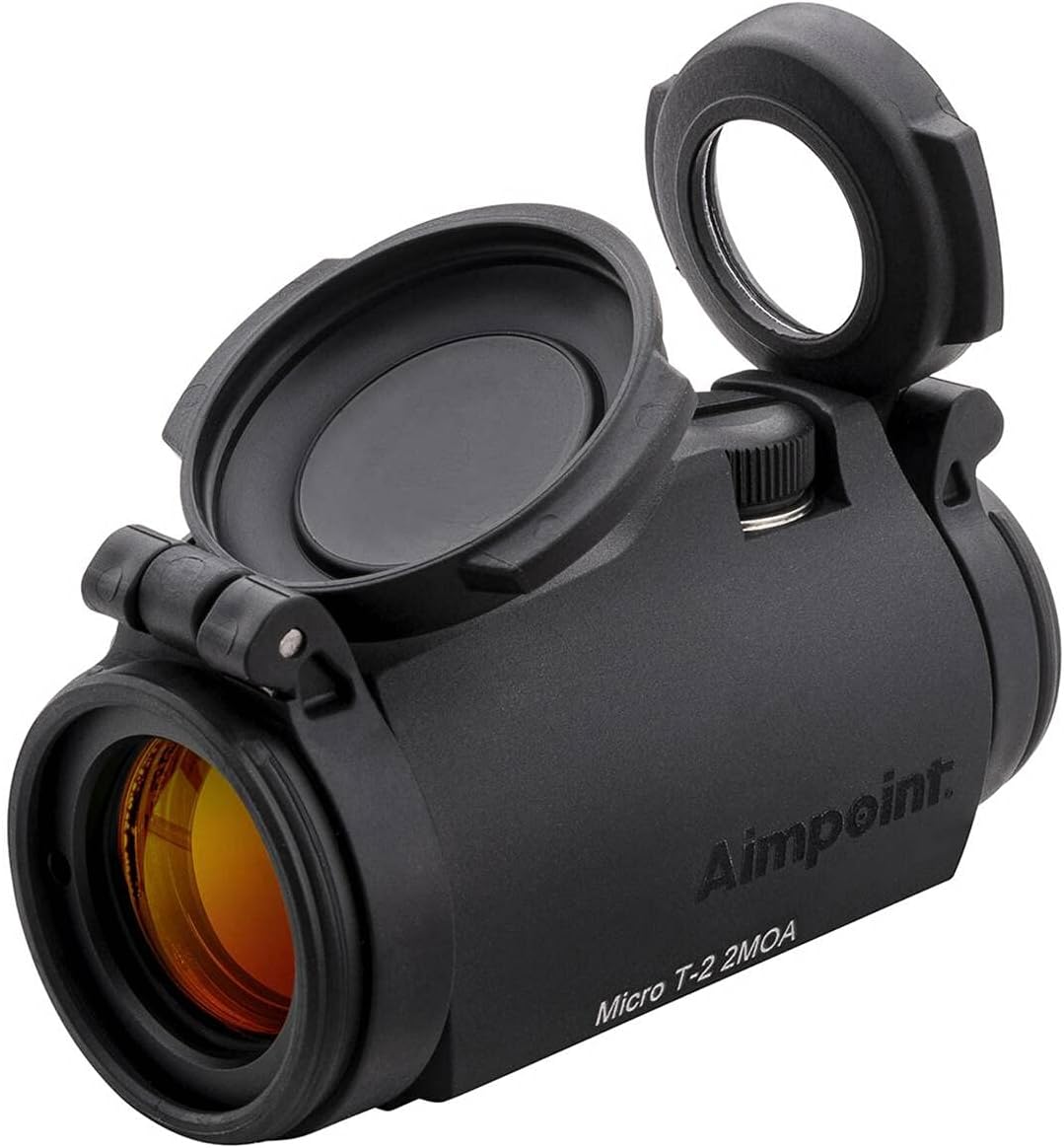
The Aimpoint Micro T-2 is one of the toughest enclosed micro red dots I’ve tested on shotguns. It combines lightweight handling with nearly unmatched durability and battery performance.
Specs
- 2 MOA dot
- Fully enclosed emitter
- Night vision compatible
- 50,000-hour battery life
- Waterproof aluminum housing
- Multiple mount compatibility
Pros
- Exceptional durability
- Outstanding battery life
- Minimal parallax
- Lightweight handling
- Excellent glass clarity
Cons
- Expensive
- Small window compared to reflex optics
- Premium mounts add cost
My Hands-On Notes
The T-2 excels on the A300 because it preserves the shotgun’s balance exceptionally well. Some larger optics make the receiver feel top-heavy, but the Aimpoint keeps the gun lively during fast swings.
Glass quality is superb with very little tint distortion. I also noticed less edge warping than many competing micro dots. The dot remains crisp under bright sunlight and during low-light indoor drills.
The turret caps and brightness dial are easy to manipulate with gloves, although the dial feels intentionally stiff to prevent accidental movement. Under repeated buckshot recoil, the optic never lost zero or flickered.
Because the optic sits low with the correct mount, cheek weld consistency improves noticeably. While true co-witness isn’t common on a shotgun, the low deck height supports more natural target indexing.
What People Say Online
Many defensive shotgun users consider the T-2 the gold standard for reliability. Hunters frequently mention that snow, mud, and rain rarely compromise performance thanks to the sealed emitter system.
Mounting Clarity
The T-2 uses the Aimpoint Micro footprint. On the Beretta A300 Outlander, it mounts via a Picatinny adapter rail and compatible low mount.
╰┈➤ Explore User Feedback and Current Pricing on Amazon
Trijicon MRO
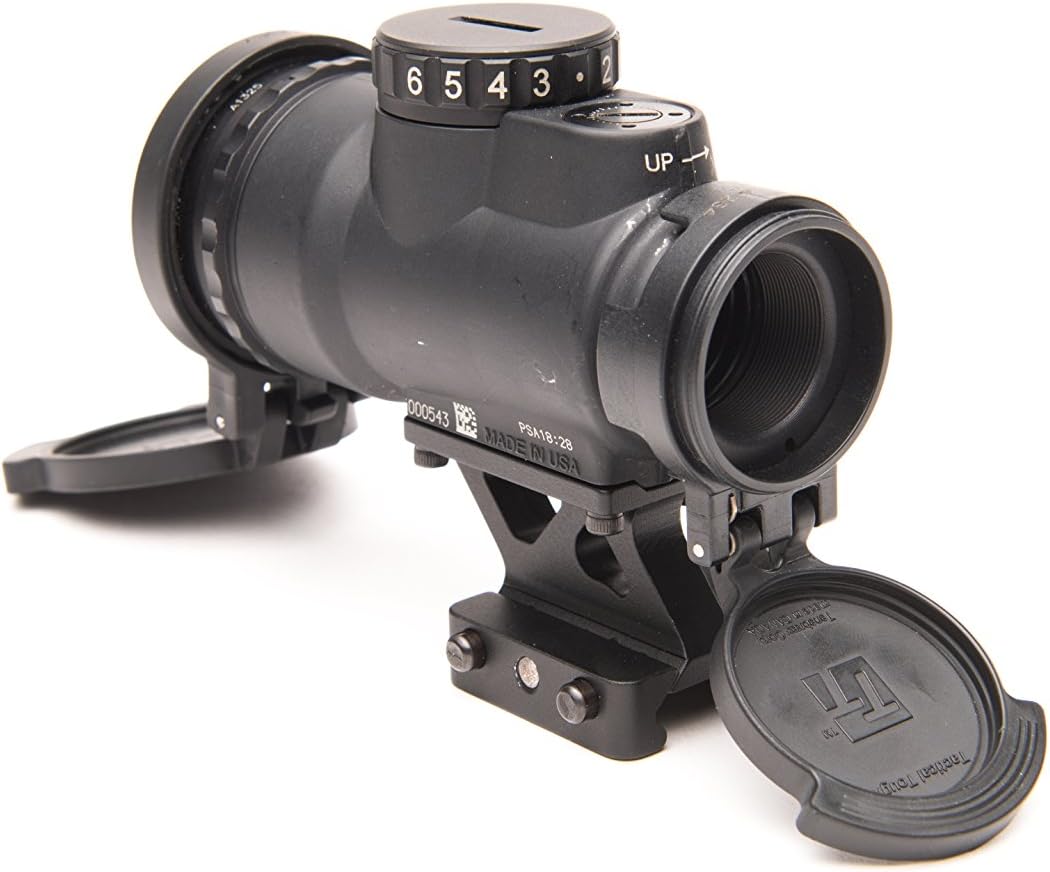
The Trijicon MRO offers a larger viewing window than many enclosed tube optics while remaining compact enough for practical shotgun applications. It balances speed and ruggedness extremely well.
Specs
- 2 MOA dot
- 7075 aluminum housing
- Waterproof construction
- Ambidextrous brightness control
- Long battery life
- Large objective lens
Pros
- Wide field of view
- Durable construction
- Fast acquisition
- Good low-light performance
- Compact overall design
Cons
- Slight magnification effect
- Some edge distortion
- Higher price category
My Hands-On Notes
The MRO feels especially quick on the A300 during moving target drills. The larger objective lens reduces the tunnel effect common with compact tube optics, helping maintain peripheral awareness.
I did notice a slight magnification sensation while shooting both eyes open. Some shooters adapt immediately, while others may prefer a completely neutral sight picture. Fortunately, target transitions still felt fast during practical shotgun stages.
The brightness dial is one of the easiest controls to manipulate with wet or gloved hands. Recoil handling was excellent, and the sealed emitter prevented fouling from becoming an issue during extended sessions.
The optic’s low mount options also help keep the shotgun from feeling awkward. Window clarity remains strong even near the edges, although some distortion appears at extreme angles.
What People Say Online
Users regularly praise the MRO for defensive shotgun reliability. Many shooters appreciate the balance between compact size and generous field of view compared to traditional micro dots.
Mounting Clarity
The optic uses the Trijicon MRO mounting standard and attaches to a receiver rail using a dedicated MRO-compatible mount.
╰┈➤ Explore User Feedback and Current Pricing on Amazon
Sig Sauer Romeo5
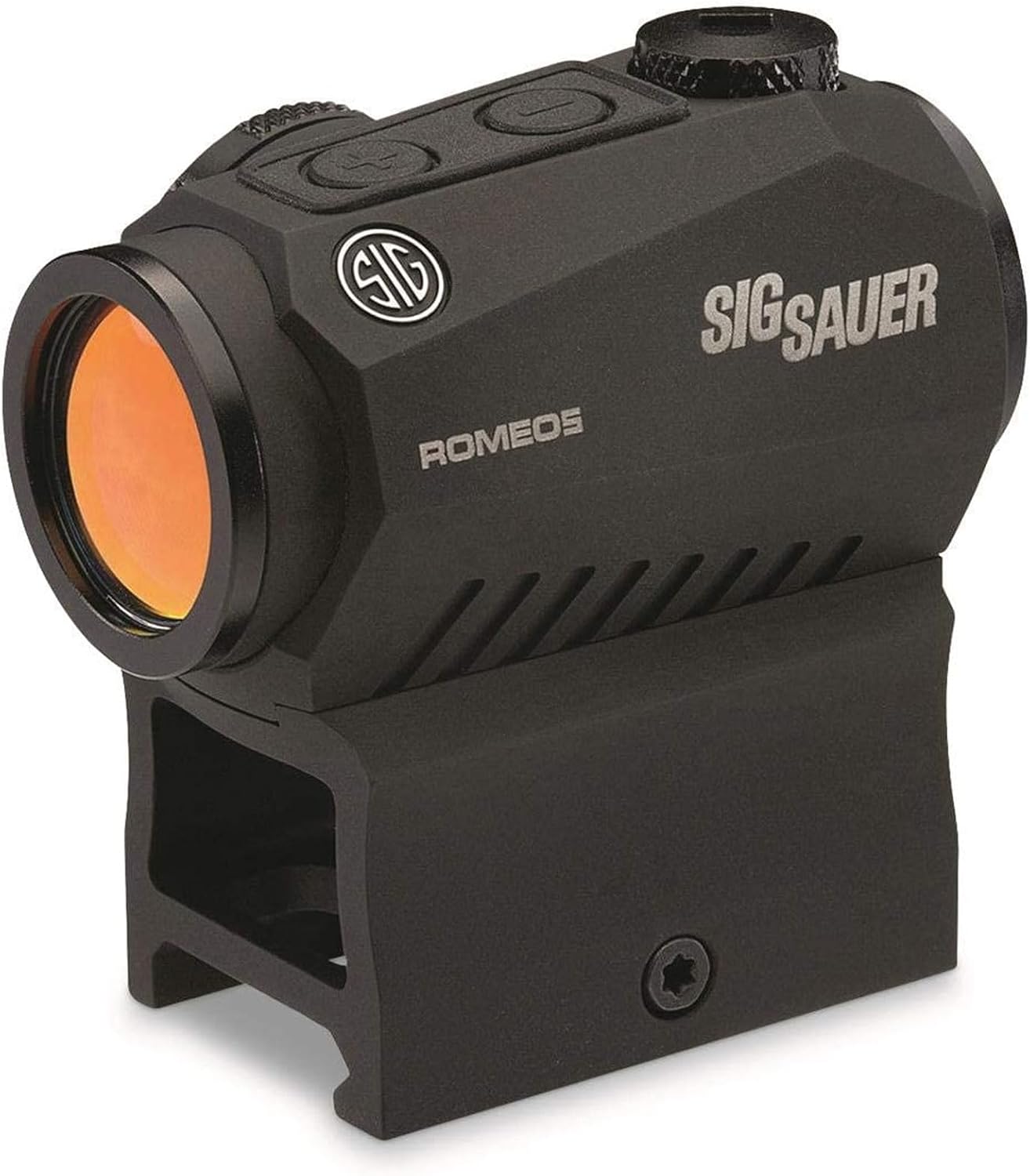
The Sig Sauer Romeo5 is one of the strongest budget-friendly options for the Beretta A300 Outlander. It delivers dependable performance without dramatically increasing the shotgun’s overall cost.
Specs
- 2 MOA dot
- MOTAC auto-on technology
- Fully enclosed emitter
- Waterproof housing
- Adjustable brightness settings
- Picatinny mount included
Pros
- Excellent value
- Reliable battery system
- Lightweight design
- Durable for the price
- Easy controls
Cons
- Glass slightly darker than premium optics
- Smaller field of view
- Basic mount hardware
My Hands-On Notes
I’ve seen the Romeo5 survive impressive abuse on semi-auto shotguns considering its price category. The optic tracks recoil consistently, and the dot remains visible under rapid firing conditions.
The controls are simple and intuitive, though the rubberized buttons feel softer than premium-duty optics. During rainy range sessions, the sealed emitter prevented moisture intrusion effectively.
The optic’s compact tube design keeps the A300 balanced nicely. Parallax performance is respectable at realistic shotgun distances, especially inside 40 yards. The included mount sits slightly higher than I prefer, but aftermarket low mounts improve cheek weld substantially.
Lens tint is visible but not distracting. I also noticed very little internal reflection under bright sunlight, which helps maintain target clarity during outdoor shooting.
What People Say Online
Budget-conscious shotgun owners frequently recommend the Romeo5 because it offers strong reliability without premium pricing. Many users report years of dependable performance on 12-gauge platforms.
Mounting Clarity
The Romeo5 uses the Aimpoint Micro mounting footprint and attaches easily to a standard shotgun rail system.
╰┈➤ Explore User Feedback and Current Pricing on Amazon
Vortex Crossfire
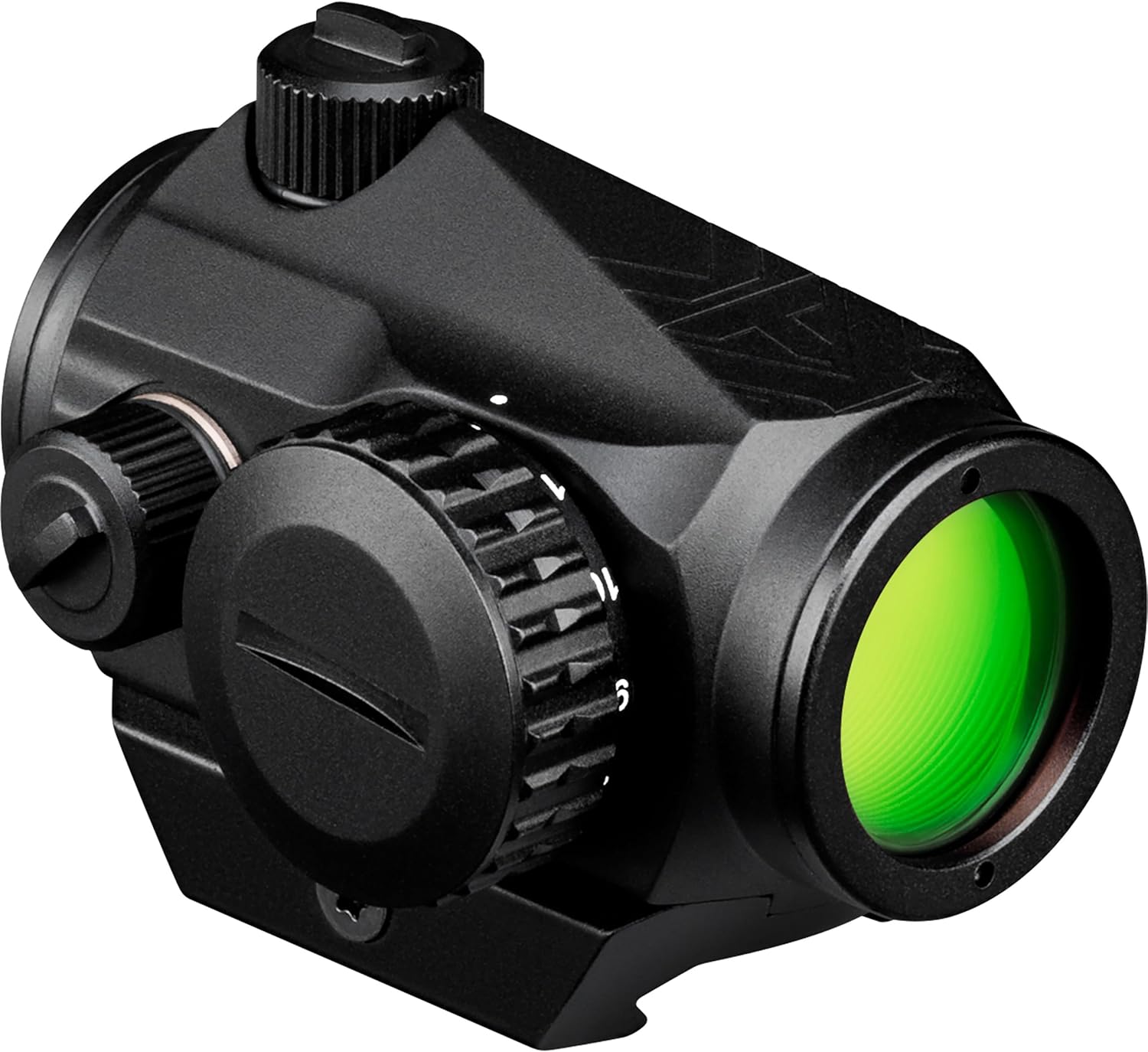
The Vortex Crossfire provides a straightforward and rugged optic solution for shooters wanting dependable shotgun performance without excessive complexity.
Specs
- 2 MOA dot
- 11 brightness settings
- Fully multi-coated lenses
- Waterproof construction
- Shockproof housing
- Included low and high mounts
Pros
- Affordable
- Strong warranty support
- Good brightness controls
- Durable construction
- Clear glass
Cons
- Battery life trails premium optics
- Slightly bulky housing
- Turret caps feel basic
My Hands-On Notes
The Crossfire handled repeated slug recoil surprisingly well during testing. Zero retention stayed consistent, and I never experienced intermittent flickering during rapid-fire drills.
The optic window feels slightly more enclosed than the MRO or 510C, but target acquisition still remains fast enough for defensive or hunting use. Brightness controls are tactile and easy to access with gloves.
Glass quality exceeded expectations for this price range. There’s mild blue tinting, but distortion is limited. The included low mount worked best on the A300 because it improved natural alignment during snap shooting.
Battery compartment threading feels reasonably solid, though not as refined as premium military-grade optics. The sealed emitter system kept dust and residue from interfering with performance.
What People Say Online
Users consistently mention the warranty as a major selling point. Many shotgun owners appreciate how well the optic tolerates recoil despite its modest cost.
Mounting Clarity
The Crossfire mounts directly to a Picatinny shotgun rail using included hardware. No additional footprint plates are required.
╰┈➤ Explore User Feedback and Current Pricing on Amazon
Primary Arms SLX MD-25
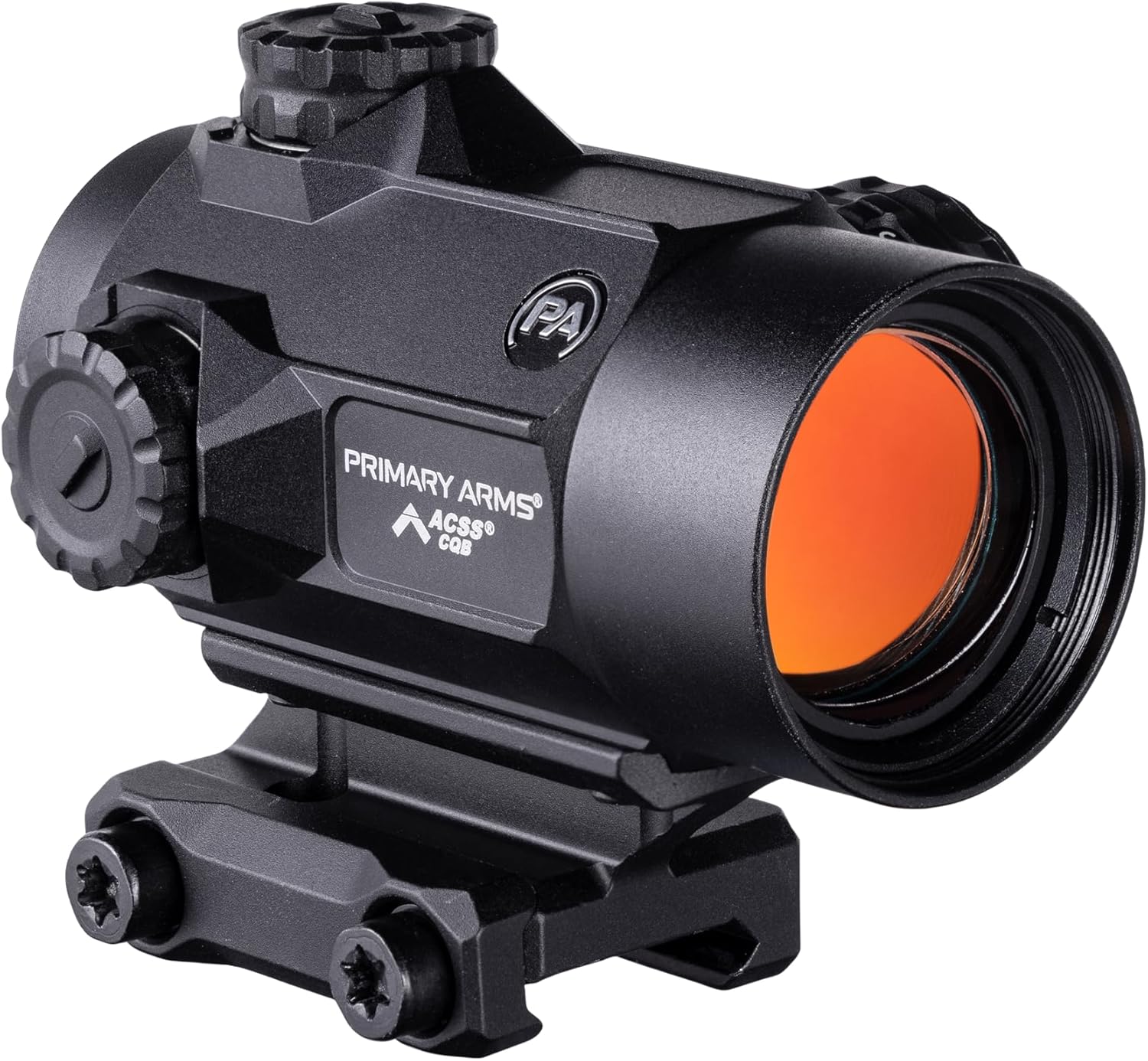
The Primary Arms SLX MD-25 offers one of the best combinations of large window performance and enclosed durability for shotgun shooters wanting fast handling without open-emitter exposure.
Specs
- 25mm objective lens
- 2 MOA dot
- AutoLive technology
- Waterproof housing
- Fully enclosed emitter
- Long battery runtime
Pros
- Large viewing window
- Excellent value
- Durable construction
- Good recoil resistance
- Crisp dot clarity
Cons
- Heavier than micro dots
- Slight front-end bulk
- Brightness knob stiffness
My Hands-On Notes
The 25mm objective makes a major difference on moving targets. Compared to smaller micro dots, target tracking feels faster and more forgiving during aggressive shotgun movement.
The optic maintained zero throughout repeated buckshot and slug sessions on the Beretta platform. Recoil impulse never caused shutdowns or brightness flicker. The enclosed emitter also prevented carbon buildup from interfering with visibility.
The brightness dial is intentionally stiff, which helps avoid accidental adjustments during transport. I appreciated the optic’s minimal parallax effect when shooting from unconventional positions around barricades.
Deck height depends heavily on mount choice, but low-profile mounting worked best for maintaining a consistent cheek weld. Glass clarity is impressive for the price, with limited edge distortion and only mild tinting.
What People Say Online
Shooters frequently compare the MD-25 favorably against more expensive enclosed optics. Many users praise its oversized sight picture and durability on hard-recoiling firearms.
Mounting Clarity
The optic uses the Aimpoint Micro mounting footprint and installs easily on standard shotgun Picatinny rails.
╰┈➤ Explore User Feedback and Current Pricing on Amazon
How I Tested / Evaluation Criteria
Parallax
Shotguns are often fired from imperfect cheek weld positions, especially during defensive movement or bird tracking. I evaluated how much apparent reticle shift occurred when my eye position moved aggressively off-center. Optics with larger windows and better optical geometry felt substantially faster under dynamic shooting conditions.
Co-Witness / Deck Height
Although shotguns rarely rely on traditional co-witness setups, optic height dramatically affects comfort and target indexing. I tested low and medium mounts to determine which configurations preserved a natural cheek weld on the Beretta stock geometry.
Durability
Gas-operated semi-auto shotguns create violent recoil pulses that expose weak housings quickly. I evaluated zero retention, battery contact stability, emitter durability, and housing integrity during repeated slug and buckshot strings.
Battery
Battery accessibility matters more than many shooters realize. Side-loading trays and sealed battery compartments reduced downtime substantially. I also considered motion activation systems and practical runtime expectations for defensive readiness.
Brightness Range
A shotgun optic must function in bright daylight, indoor darkness, and transitional lighting. I specifically checked bloom control, brightness granularity, and reticle washout while moving between sunlight and shaded environments.
Glass Quality
Window clarity strongly affects tracking speed. I examined tinting, edge distortion, internal reflections, and emitter glare while shooting both eyes open. Optics with minimal blue tint generally felt more natural during prolonged use.
Controls Ergonomics
Tiny buttons become frustrating with gloves or wet hands. I evaluated tactile feedback, brightness adjustment speed, and accidental activation resistance during field-style handling.
Mounting Ecosystem
The Beretta A300 Outlander works best with secure Picatinny rail systems. I prioritized optics with proven mount availability, stable recoil performance, and low-profile compatibility.
How to Choose the Right Red Dot for This Gun
Choosing the right optic for the Beretta A300 depends heavily on how the shotgun will actually be used. A defensive setup benefits from a rugged enclosed emitter with strong recoil resistance, while a turkey or competition configuration may prioritize larger viewing windows and faster acquisition.
Window size matters more on shotguns than rifles. A large objective lens or open reflex design helps maintain visual awareness during fast swings and awkward target angles. Smaller tube optics remain durable and lightweight, but they can feel slower when transitioning between moving targets.
Weight distribution is also important. One reason the A300 handles so well is its balanced gas-operated design. Oversized optics can shift the center of gravity upward and forward, making the shotgun feel sluggish during rapid directional changes.
Mount height deserves careful attention. Excessively tall mounts create inconsistent cheek weld and slower indexing. Lower mounting solutions generally improve natural presentation and reduce the need to “hunt” for the dot during rapid mounting.
Emitter type should match your environment. Open emitters offer excellent field of view and lighter weight, but rain, debris, and carbon fouling can obstruct the emitter channel. Enclosed systems provide better reliability in harsh weather or defensive conditions.
Battery design also matters. Top-loading or side-loading compartments simplify maintenance without requiring re-zeroing. Motion activation systems are useful on defensive shotguns because they preserve battery life while keeping the optic ready.
Durability should never be overlooked on a 12-gauge platform. Weak battery contacts, poor sealing, and thin housings fail quickly under repeated recoil. Proven optics from established manufacturers tend to survive substantially longer.
Finally, consider intended engagement distance. A 2 MOA dot provides better slug precision at distance, while larger circle-dot systems can improve speed at close range.
FAQs
What optic size works best on the Beretta A300 Outlander?
For most shooters, medium-sized optics strike the best balance. Oversized windows improve speed, but extremely large optics can disrupt the shotgun’s balance.
Are open-emitter optics reliable on shotguns?
Yes, but they require more maintenance. Rain, carbon fouling, and dust can partially block the emitter channel over time.
Does the Beretta A300 need a special optic mount?
Most optics require a Picatinny rail adapter installed on the receiver. From there, the optic mounts directly using its standard footprint system.
Is a green dot better for shotgun use?
Some shooters find green reticles easier to acquire in bright outdoor conditions. However, red emitters often provide better battery efficiency and reduced bloom.
Can a cheap red dot survive 12-gauge recoil?
Some budget optics perform surprisingly well, but many fail under sustained slug and buckshot use. Durability testing matters more than marketing claims.
Conclusion
After extensive testing, I believe the Best Red Dot For Beretta A300 Outlander depends primarily on intended use and budget. The HOLOSUN 510C offers unmatched speed for dynamic shooting, the Aimpoint T-2 delivers elite durability, and the Sig Romeo5 remains one of the strongest value-focused choices available.
What matters most is choosing an optic that preserves the shotgun’s natural handling while delivering dependable recoil resistance, fast acquisition, and practical mounting height. A properly configured red dot can dramatically improve target transitions, slug precision, and overall confidence behind the Beretta platform.
Sources: Beretta product specifications, Aimpoint technical documentation, Holosun mounting references, Trijicon optical data, user testing discussions from AR15.com and Reddit shotgun communities.