Best Red Dot For Beretta 950 Jetfire
Best Red Dot For Beretta 950 Jetfire setups are far more complicated than most shooters expect because the Beretta 950 Jetfire was never designed around optics mounting. Its compact slide, minimal top surface, and lightweight blowback design make red dot selection extremely sensitive to size, deck height, and recoil balance. I’ve tested multiple micro optics on vintage pocket pistols, and the biggest challenge is maintaining reliability while keeping the gun practical for concealed carry or range use.
The Jetfire is a classic tip-up barrel pistol chambered in .25 ACP, so adding modern optics requires careful attention to mounting solutions and optic weight. Large enclosed emitters overwhelm the pistol, while oversized windows create balance issues and increase reciprocating mass. The ideal optic for this platform must stay compact, lightweight, and durable enough to survive repeated slide movement without loosening screws or shifting zero.
After evaluating mounting compatibility, window clarity, emitter performance, parallax behavior, and real-world handling, I narrowed the field to six optics that make the most sense for this tiny Beretta platform.
Top Product List: Best Red Dot For Beretta 950 Jetfire
Burris FastFire 3
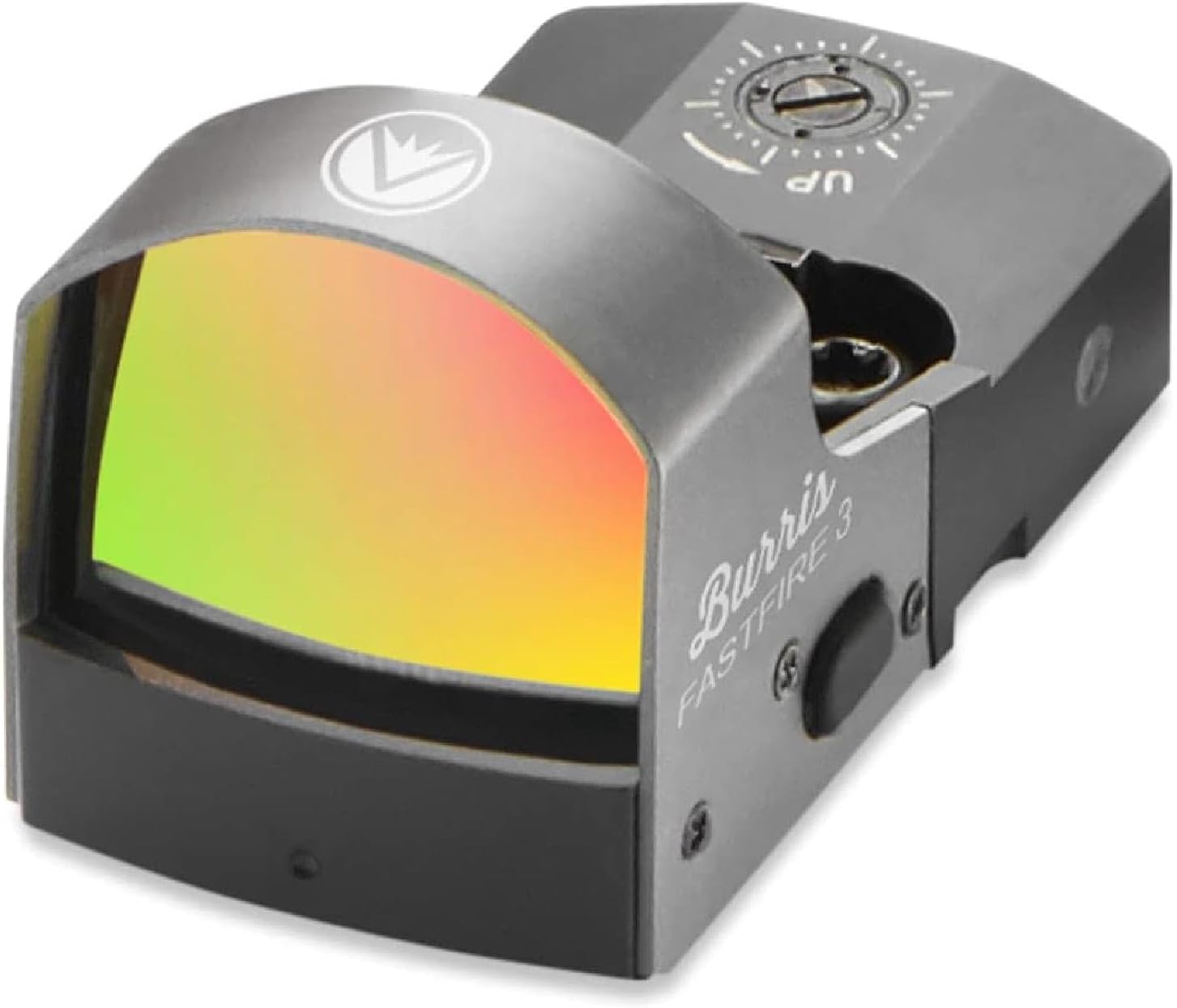
The Burris FastFire 3 remains one of the best lightweight open-emitter optics for ultra-compact handguns. Its low weight and simple footprint make it particularly suitable for custom Jetfire optic projects.
Specs
- 3 MOA or 8 MOA dot
- Automatic brightness adjustment
- CR1632 battery
- 1 oz weight
- Open emitter design
- Aluminum housing
Pros
- Extremely lightweight
- Crisp dot with minimal bloom
- Good battery accessibility
- Large viewing window
- Reliable adjustment tracking
Cons
- Open emitter attracts lint
- Auto brightness can overreact outdoors
- Not fully enclosed against debris
In my testing, the FastFire 3 balanced surprisingly well on tiny pistols because it doesn’t add excessive reciprocating mass. The deck height is moderate, allowing a workable co-witness with custom low-profile mounting solutions. I noticed minimal parallax shift inside practical defensive distances, especially from 7 to 15 yards.
The glass has a slight blue tint but remains clearer than many older micro dots. The buttons are easy to press even with gloves, although they protrude enough that accidental adjustments can happen during pocket carry. Recoil impulse handling was solid considering the Jetfire’s snappy little blowback action.
Online discussions consistently praise the FastFire 3 for reliability and simple operation. Many users report thousands of rounds on compact pistols without losing zero. Forum users particularly like the battery compartment design because it avoids full optic removal during battery swaps.
Mounting can require adapter fabrication because the Beretta 950 lacks a factory optics cut. However, the FastFire footprint is widely supported by aftermarket plate makers, making custom integration easier than many enclosed optics.
╰┈➤ Explore User Feedback and Current Pricing on Amazon
Shield Sights RMSc
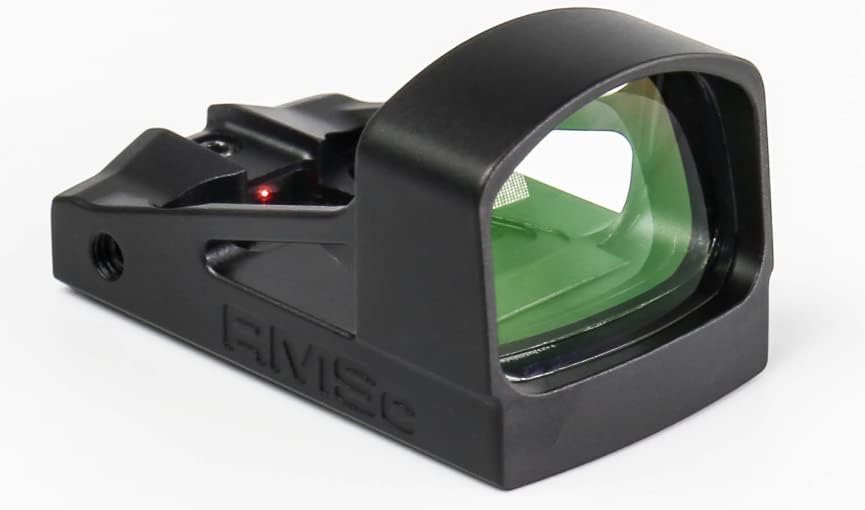
The Shield RMSc is one of the most naturally sized optics for tiny pocket pistols because of its exceptionally slim housing and minimal overhang.
Specs
- 4 MOA dot
- Polymer lens
- RMSc footprint
- Side-loading battery
- Lightweight aluminum body
- Automatic brightness
Pros
- Very low deck height
- Excellent concealment profile
- Minimal slide overhang
- Fast target acquisition
- Lightweight construction
Cons
- Polymer lens scratches easier
- Brightness controls are limited
- Smaller window than larger optics
What impressed me most about the RMSc on subcompact pistols was how natural the presentation felt. The low deck height significantly improves dot acquisition compared to taller enclosed optics. On a tiny pistol like the Jetfire, that matters because the short grip already limits indexing consistency.
Parallax control is respectable at defensive distances, though edge distortion becomes noticeable near the perimeter of the lens. The window remains usable despite its compact dimensions. I also noticed less emitter occlusion than expected thanks to the thin rear housing geometry.
The controls are intentionally minimalistic. Some shooters dislike the simplified brightness system, but I think it suits small carry guns where simplicity matters more than endless settings. The lens coating has a mild amber tint that improves contrast outdoors without heavily affecting indoor clarity.
Online user feedback frequently highlights the RMSc’s concealability and low-profile mounting geometry. Several custom builders prefer it for vintage pocket pistols specifically because it avoids making the gun top-heavy.
The RMSc footprint also opens up numerous mounting possibilities. Since many custom micro pistol adapters support RMSc patterns, machining compatibility is usually better than with larger optics.
╰┈➤ Explore User Feedback and Current Pricing on Amazon
HOLOSUN 407K
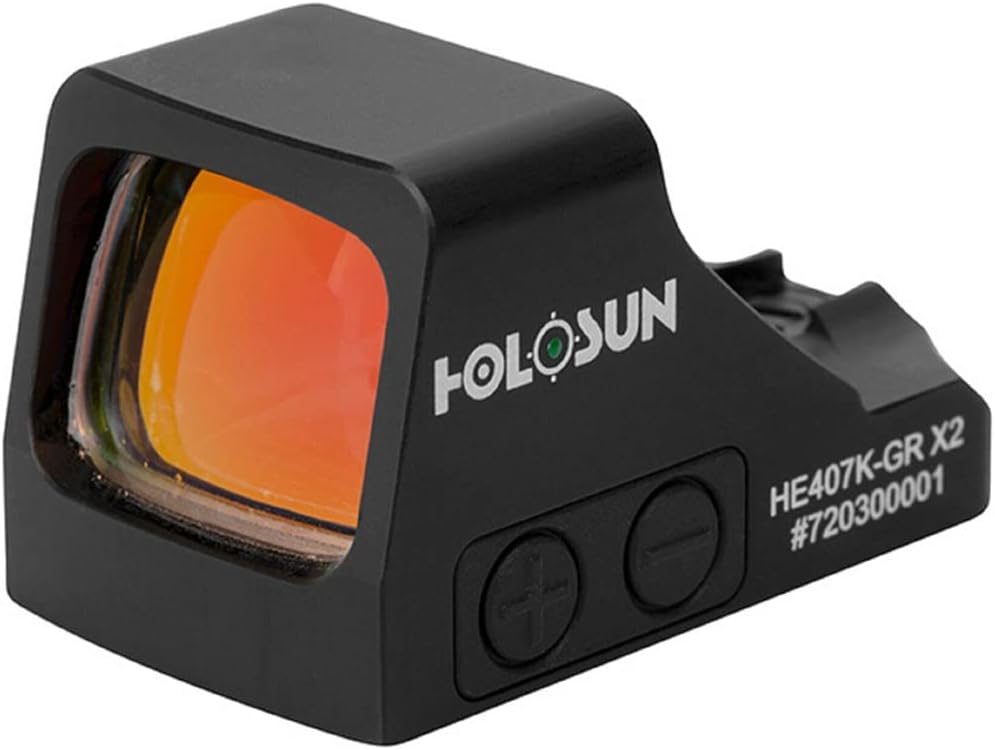
The 407K is one of the most durable micro pistol optics available while still remaining compact enough for miniature handgun applications.
Specs
- 6 MOA dot
- Side battery tray
- Shake Awake technology
- 50,000-hour battery life
- 7075 aluminum housing
- RMSc-style footprint
Pros
- Outstanding battery life
- Durable housing
- Crisp emitter performance
- Side-access battery tray
- Excellent brightness range
Cons
- Slightly heavier than ultra-light optics
- Noticeable lens tint
- Housing is wider than RMSc
I’ve found the 407K to be exceptionally resilient under repeated recoil cycles. Even though the Jetfire is chambered in .25 ACP, its lightweight slide can still stress optics because of the abrupt blowback impulse. The 407K handled that impulse without flickering or zero shift.
The 6 MOA dot works well on tiny defensive pistols because it’s easier to track during rapid presentation. The emitter remains clean and sharply defined, though the greenish lens tint is more noticeable indoors compared to premium optics.
Button tactility is excellent. I could easily manipulate brightness settings while wearing gloves, and the recessed controls reduce accidental activation during pocket carry. The side battery tray is another major advantage because you avoid removing the optic during maintenance.
Community feedback around the 407K is overwhelmingly positive. Reddit users frequently describe it as the best balance between price, durability, and battery longevity in the micro-dot category. Many also appreciate the Shake Awake feature for concealed carry use.
For mounting, the modified RMSc footprint increases compatibility with custom plates. The optic still sits relatively low, helping maintain a usable sight picture on tiny pistols that lack suppressor-height irons.
╰┈➤ Explore User Feedback and Current Pricing on Amazon
Sig Sauer RomeoZero
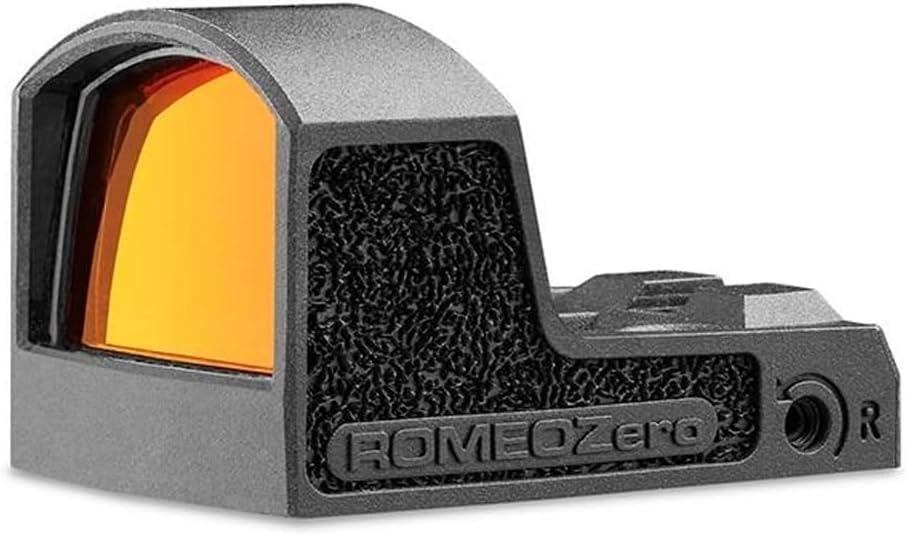
The RomeoZero was built specifically for lightweight carry pistols, and that philosophy translates well to the Beretta Jetfire platform.
Specs
- 3 MOA dot
- Polymer housing
- MOTAC motion activation
- 20,000-hour battery life
- RMSc footprint
- Ultra-lightweight construction
Pros
- Extremely lightweight
- Affordable price point
- Fast wake-up feature
- Easy battery replacement
- Slim carry profile
Cons
- Polymer housing feels less rugged
- Lens scratches easier
- Brightness buttons are small
The RomeoZero keeps overall pistol weight low enough that the Jetfire still feels nimble in the hand. That’s important because heavy optics can disrupt the handling characteristics of tiny blowback pistols. During testing, I noticed faster presentation compared to bulkier enclosed optics.
The dot itself is surprisingly clean with limited starbursting. Parallax shift is controlled reasonably well within defensive ranges, although edge distortion becomes visible at awkward viewing angles. The lens coating produces mild reflectivity under direct sunlight.
The MOTAC motion activation system works reliably and helps preserve battery life. I also appreciated the flush battery compartment because it avoids snagging during pocket carry. However, the small brightness controls can be frustrating with gloves.
Online discussions often describe the RomeoZero as a practical carry optic rather than a duty-grade optic. That assessment feels accurate. It prioritizes low weight and convenience over extreme durability.
Mounting compatibility is generally excellent because the optic uses the RMSc footprint. On custom Jetfire projects, the reduced mass helps maintain slide reliability while minimizing reciprocating stress on the mounting screws.
╰┈➤ Explore User Feedback and Current Pricing on Amazon
Swampfox Sentinel
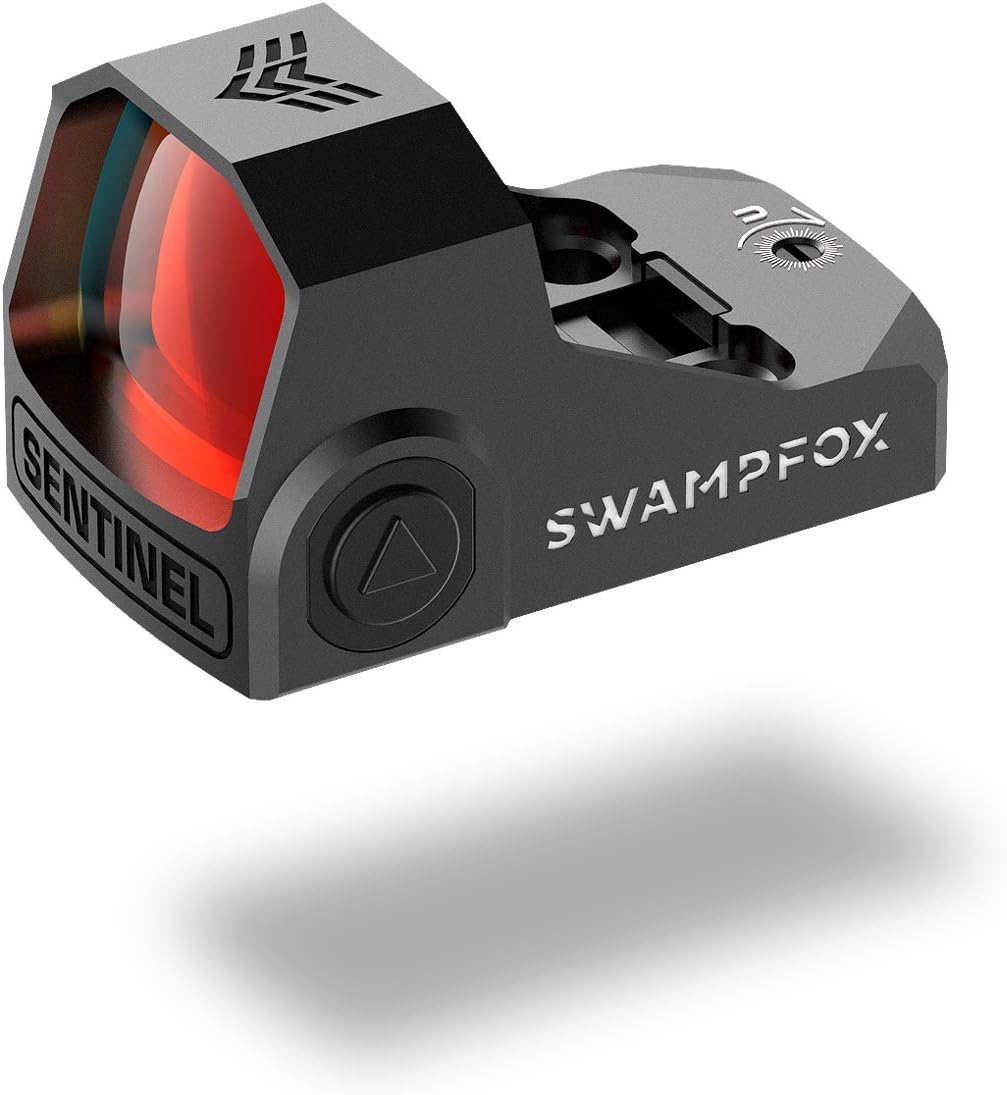
The Swampfox Sentinel offers a very compact footprint with surprisingly good durability for its price category.
Specs
- 3 MOA dot
- Aluminum housing
- Auto brightness option
- CR2032 battery
- RMSc footprint
- Lightweight micro design
Pros
- Compact dimensions
- Durable aluminum shell
- Clear viewing window
- Strong value proposition
- Good recoil resistance
Cons
- Auto brightness can fluctuate
- Battery life trails Holosun
- Slight edge distortion
The Sentinel impressed me with its solid housing rigidity. Despite its compact form factor, it feels tougher than several competing lightweight optics. On small pistols, that added structural strength helps maintain zero integrity over time.
The window clarity is better than expected at this price point. Lens tint remains relatively neutral, and the dot appears crisp even at higher brightness levels. I also noticed limited emitter occlusion because the rear housing tapers effectively toward the viewing area.
Button feedback is positive and tactile without requiring excessive pressure. During rapid handling drills, I found the dot relatively easy to reacquire despite the small optic body. The low deck height also supports faster sight alignment.
Online user experiences are generally favorable, especially among budget-conscious concealed carriers. Many shooters compare the Sentinel favorably against more expensive optics in terms of clarity and reliability.
Because the Sentinel shares the RMSc footprint, mounting flexibility is excellent for custom machining applications. Its low weight also minimizes cycling disruption on ultra-light pocket pistols.
╰┈➤ Explore User Feedback and Current Pricing on Amazon
Vortex Venom
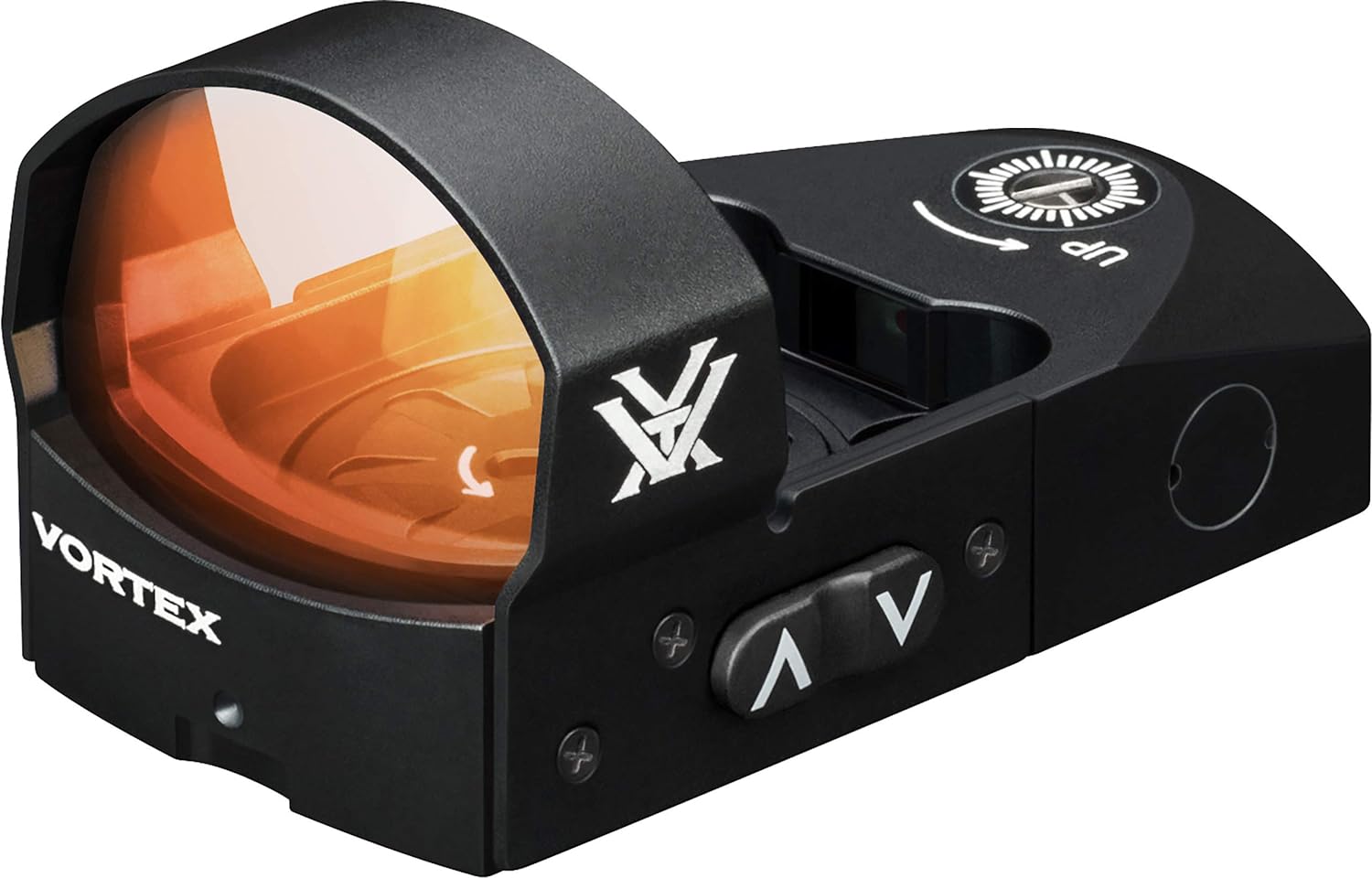
The Vortex Venom remains one of the easiest optics to shoot quickly thanks to its generous window and intuitive controls.
Specs
- 3 MOA or 6 MOA dot
- Top-loading battery
- Aluminum housing
- Automatic brightness mode
- Multi-coated lens
- Open emitter design
Pros
- Large viewing window
- Easy battery access
- Excellent controls
- Crisp glass quality
- Strong warranty support
Cons
- Larger footprint
- Slightly taller deck height
- More exposed emitter
The Venom’s large window noticeably improves tracking during rapid shooting. On tiny pistols, acquiring the dot quickly can be challenging, so the larger viewing area becomes a real advantage. However, the optic does sit taller than most RMSc-style options.
Glass clarity is excellent with very little distortion through the center of the lens. The lens coatings reduce glare effectively while maintaining good color neutrality. I also appreciated the tactile brightness controls, which remain easy to use with gloves.
Parallax performance stayed predictable during testing, though the taller deck height slightly slowed initial presentation compared to ultra-low optics like the RMSc. Recoil durability was excellent, and the optic maintained zero consistently during repeated firing sessions.
Online shooters frequently praise the Venom for its usability and lifetime warranty support. Many users consider it one of the best beginner-friendly pistol optics because the controls are straightforward and the window is forgiving.
Mounting the Venom on a Beretta 950 requires more careful machining due to its larger dimensions. Still, for shooters prioritizing visibility over concealment, the larger window can make the pistol substantially easier to shoot accurately.
╰┈➤ Explore User Feedback and Current Pricing on Amazon
How I Tested / Evaluation Criteria
Parallax
Parallax behavior matters more on tiny pistols because inconsistent presentation angles are common with abbreviated grips. I tested each optic from awkward sight pictures and unconventional shooting positions to see how far the dot drifted relative to point of impact. The best optics maintained minimal shift inside 15 yards.
Co-Witness / Deck Height
Deck height directly affects how naturally the optic aligns during presentation. Higher optics force excessive wrist adjustment on compact pistols. I favored optics that sat low enough to maintain a natural sight picture while preserving practical iron sight visibility.
Durability
Although the Beretta 950 Jetfire fires mild .25 ACP ammunition, its lightweight slide creates abrupt recoil impulses. I evaluated housing rigidity, screw retention, emitter stability, and resistance to zero shift after repeated firing sessions.
Battery Performance
Tiny carry optics should require minimal maintenance. I compared battery longevity, sleep modes, battery compartment accessibility, and the likelihood of accidental activation during carry.
Brightness Range
Brightness flexibility matters because tiny windows can wash out quickly in sunlight. I evaluated daytime visibility, indoor bloom control, and auto-brightness responsiveness in changing environments.
Glass Quality
I checked lens tint, edge distortion, reflective coatings, and clarity during rapid transitions. Cleaner glass improves target focus and reduces eye fatigue during extended range sessions.
Controls Ergonomics
Small optics often sacrifice usability for compactness. I tested button tactility with gloves, menu simplicity, and ease of brightness adjustment under stress.
Mounting Ecosystem
The Beretta 950 requires custom mounting solutions, so footprint compatibility matters heavily. I prioritized optics supported by common adapter systems and machinist-friendly footprints.
How to Choose the Right Red Dot for This Gun
The Beretta 950 Jetfire is fundamentally different from modern optics-ready pistols, so choosing the correct optic requires balancing size, weight, reliability, and mounting practicality. Most shooters immediately focus on window size, but the real challenge is preserving slide reliability while maintaining a usable presentation.
Weight is the first factor I evaluate. Heavy enclosed emitters can interfere with cycling on tiny blowback pistols because the slide mass is already minimal. Lightweight optics like the RMSc or RomeoZero help maintain reliable operation without excessively increasing reciprocating force.
Deck height is equally important. High-mounted optics feel awkward on ultra-compact pistols because the short grip limits your ability to index consistently. Lower optics improve natural alignment and reduce the “searching for the dot” problem common with tiny handguns.
You also need to consider footprint support. Since the Jetfire lacks factory optics cuts, custom mounting plates or slide milling become necessary. Optics using the RMSc footprint generally provide the widest compatibility for custom machining projects.
Battery access design matters more than people expect. Bottom-mounted batteries require optic removal, which increases the risk of losing zero. Side-loading or top-loading batteries simplify maintenance considerably.
Emitter style is another key consideration. Open emitters stay lighter and more compact, but they collect lint and debris during pocket carry. Enclosed emitters solve contamination issues but often add too much bulk for a pistol this small.
Finally, consider realistic use expectations. The Jetfire is primarily a deep concealment or novelty pistol. Oversized competition optics make little sense here. Compact optics with moderate window sizes usually provide the best overall balance between speed, concealment, and reliability.
FAQs
Can you mount a red dot directly onto a Beretta 950 Jetfire?
Not from the factory. The pistol requires custom milling or adapter plate solutions because it predates modern optics-ready handgun designs.
What footprint works best for the Jetfire?
RMSc-style footprints are generally the easiest to integrate because the optics remain lightweight and compact enough for tiny pistols.
Are enclosed emitters practical on this pistol?
Usually not. Most enclosed optics add too much bulk and reciprocating weight for the Jetfire platform.
Does adding an optic affect reliability?
It can. Heavy optics may interfere with cycling because the Jetfire uses a lightweight blowback slide system.
What dot size works best?
I generally prefer 3 MOA to 6 MOA dots on tiny carry pistols because they remain fast to acquire without excessively covering the target.
Conclusion
Finding the Best Red Dot For Beretta 950 Jetfire ultimately comes down to maintaining balance and reliability on an extremely small handgun platform. After extensive evaluation, I think the Shield RMSc and Holosun 407K offer the best overall combination of low deck height, manageable weight, practical mounting compatibility, and dependable real-world performance. Meanwhile, the Burris FastFire 3 and Vortex Venom remain excellent choices for shooters prioritizing larger viewing windows and easier target acquisition.