Best Red Dot For Beretta 92x Compact
Best Red Dot For Beretta 92x Compact setups require more consideration than many modern striker-fired pistols because the Beretta’s slide geometry, optic plate height, and open-slide design all influence how a sight tracks during recoil. I’ve spent a lot of time running optics on metal-frame DA/SA pistols, and the 92X Compact rewards careful optic selection more than most handguns in its class.
The challenge is balancing window size, durability, and mounting height without making the pistol feel top-heavy. Some optics exaggerate muzzle reciprocation on the Beretta platform because of the slide profile, while others sit low enough to preserve natural indexing and decent suppressor-height sight alignment.
In this guide, I’m focusing on six optics that genuinely pair well with the Beretta 92X Compact for concealed carry, duty use, range work, and defensive shooting. I evaluated each optic based on glass clarity, emitter performance, recoil handling, footprint compatibility, battery system, and how naturally the optic tracks on this alloy-frame pistol.
Top Product List: Best Red Dot For Beretta 92x Compact
- Trijicon RMR Type 2
- Holosun 507C
- Aimpoint ACRO P-2
- Leupold DeltaPoint Pro
- Steiner MPS
- SIG ROMEO-X Compact
Trijicon RMR Type 2
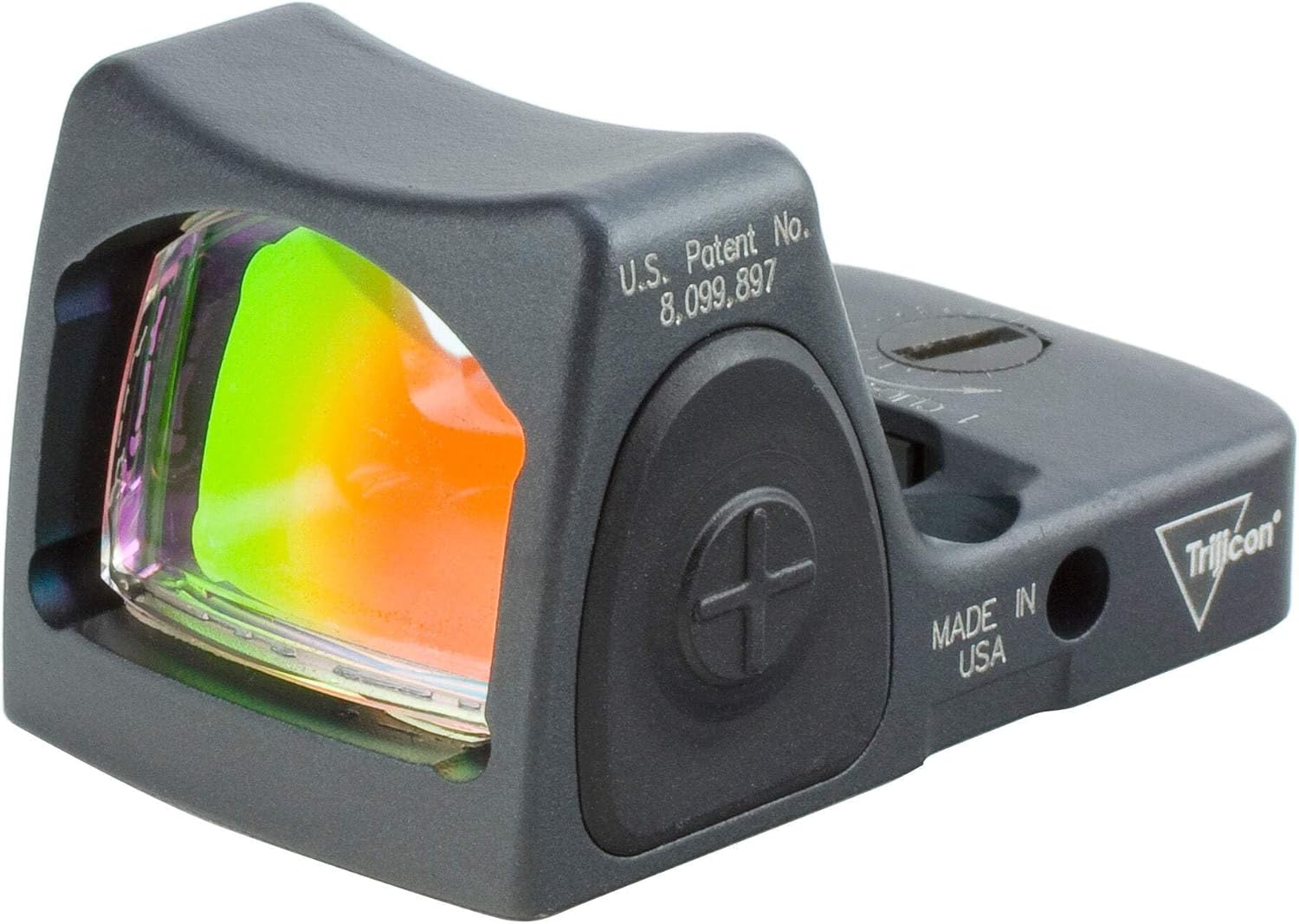
The RMR Type 2 remains one of the toughest pistol optics ever made, and it pairs surprisingly well with the Beretta 92X Compact when mounted on a quality RMR-pattern plate.
Specs
- Footprint: RMR
- Dot sizes: 1 MOA, 3.25 MOA, 6.5 MOA
- Battery: CR2032
- Housing: Forged aluminum
- Brightness: Manual and auto-adjust variants
- Weight: 1.2 oz
Pros
- Exceptional durability
- Excellent recoil resistance
- Crisp dot with minimal flare
- Proven long-term reliability
Cons
- Smaller viewing window
- Bottom battery tray
- Noticeable blue lens tint
My Hands-On Notes
The RMR tracks extremely well on the Beretta platform because its lightweight housing minimizes slide mass changes. During rapid strings, I noticed less reciprocating distraction compared to bulkier enclosed emitters. The deck height is moderate with Beretta factory plates, so lower-third co-witness is achievable using suppressor-height irons.
Parallax performance remains excellent inside practical handgun distances. I did notice the characteristic Trijicon blue tint, but it improves contrast outdoors in bright sunlight. Button tactility is excellent even with gloves, though brightness adjustments are slower than newer optics.
The optic body resists emitter occlusion reasonably well because the hood geometry shields debris without excessively narrowing the field of view. Window distortion near the edges is minimal.
What People Say Online
Most experienced shooters still trust the RMR for duty use because of its recoil durability and long service history. Reddit discussions frequently mention its ability to survive slide rides, hard impacts, and high round counts without losing zero.
Mounting Clarity
The Beretta 92X Compact requires an RMR-compatible optic plate. Direct mounting is not possible on the factory optics-ready slide.
╰┈➤ Explore User Feedback and Current Pricing on Amazon
HOLOSUN 507C
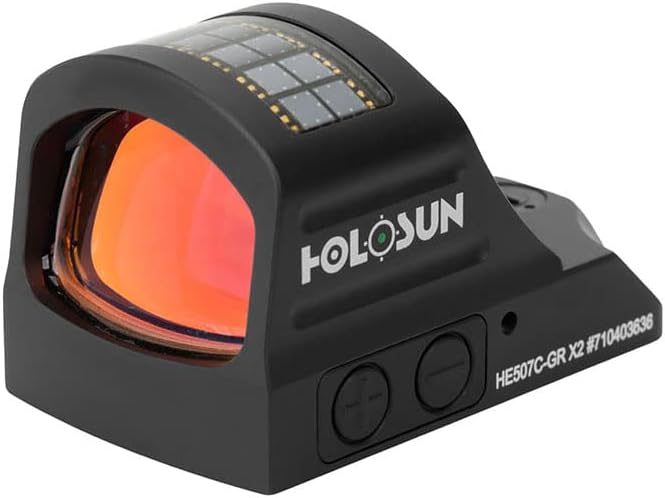
The 507C is one of the easiest optics to recommend for shooters who want advanced features without paying premium duty-optic pricing.
Specs
- Footprint: RMR
- Reticle: 2 MOA dot and 32 MOA circle
- Battery: CR1632
- Solar backup
- Multi-reticle system
- Weight: 1.5 oz
Pros
- Large usable window
- Side battery tray
- Strong value
- Flexible reticle system
Cons
- Slightly thicker housing
- More noticeable lens tint
- Auto brightness can overcompensate
My Hands-On Notes
The 507C feels extremely balanced on the Beretta 92X Compact. The larger viewing window helps offset the slightly taller optic mounting position common on Beretta plates. During recoil, the circle-dot reticle made reacquisition faster than a standard single dot.
I especially like the side-loading battery tray because it avoids removing the optic during battery replacement. That preserves zero and simplifies maintenance. The buttons have excellent tactile feedback, even while wearing gloves during cold-weather shooting.
Parallax shift is very controlled across the central viewing area. Edge distortion exists but stays manageable. The emitter is partially exposed, so rain or lint can occasionally obscure the projected dot if the pistol is carried daily.
The glass has a mild green tint, but it is less distracting than older Holosun models. Recoil impulse handling was impressive after several hundred rounds of defensive ammunition.
What People Say Online
Most shooters praise the 507C for reliability and feature density. Forum users consistently mention the long battery life and ease of adapting to the circle reticle for faster defensive shooting.
Mounting Clarity
The 507C uses the RMR footprint and mounts easily using Beretta’s RMR-pattern plate system.
╰┈➤ Explore User Feedback and Current Pricing on Amazon
Aimpoint ACRO P-2
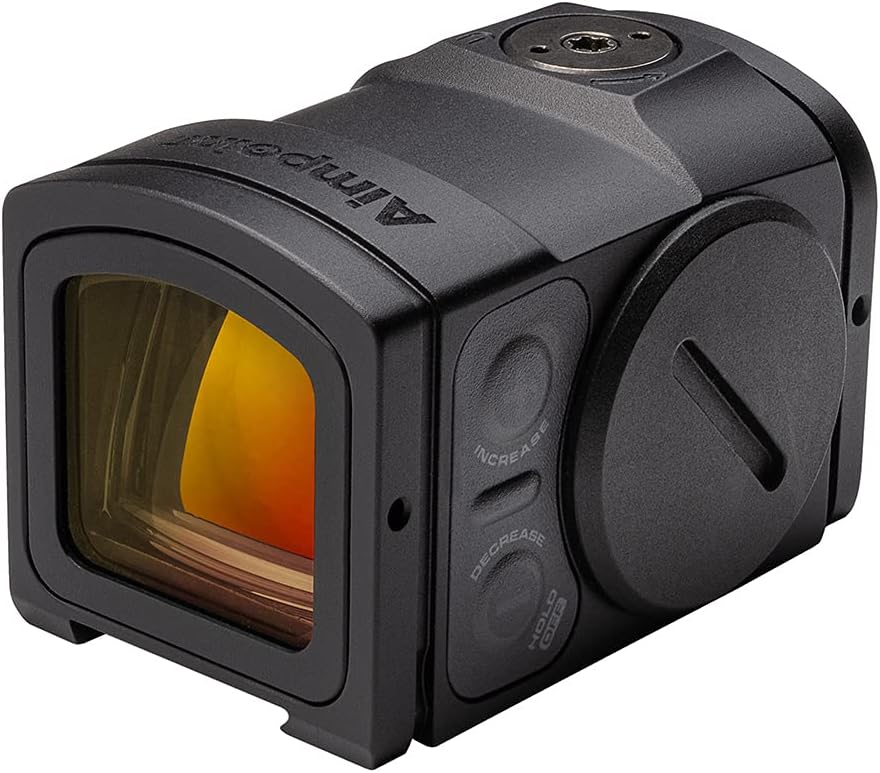
The ACRO P-2 is my preferred enclosed-emitter optic for hard-use carry guns, especially in wet or dusty environments.
Specs
- Footprint: ACRO
- 3.5 MOA dot
- Battery: CR2032
- Fully enclosed emitter
- Submersible construction
- Weight: 2.1 oz
Pros
- Outstanding weather protection
- Extremely durable housing
- Long battery life
- Clear, crisp emitter
Cons
- Heavier than open emitters
- Taller deck height
- Expensive mounting ecosystem
My Hands-On Notes
On the Beretta 92X Compact, the ACRO changes the pistol’s recoil feel more than lightweight optics. The additional slide weight slightly slows reciprocation, but some shooters actually prefer the smoother impulse.
The enclosed emitter is the real advantage here. Sweat, lint, rain, and carbon buildup never interrupted dot visibility during testing. That matters for concealed carry. The housing also protects the front lens from impact better than most open designs.
Parallax control is excellent, and the dot remains crisp even at higher brightness settings. I noticed virtually no optical distortion across the usable viewing area. The buttons are oversized and easy to manipulate with gloves.
The downside is deck height. Co-witness options become more limited unless you install taller irons. The optic also creates a more pronounced “mailbox” effect during presentation compared to open-window sights.
What People Say Online
Professional users and serious defensive shooters frequently rank the ACRO P-2 among the most reliable enclosed pistol optics available. Many law enforcement users specifically mention superior reliability during adverse weather.
Mounting Clarity
The Beretta requires an ACRO-specific adapter plate. This optic does not share the RMR footprint.
╰┈➤ Explore User Feedback and Current Pricing on Amazon
Leupold DeltaPoint Pro
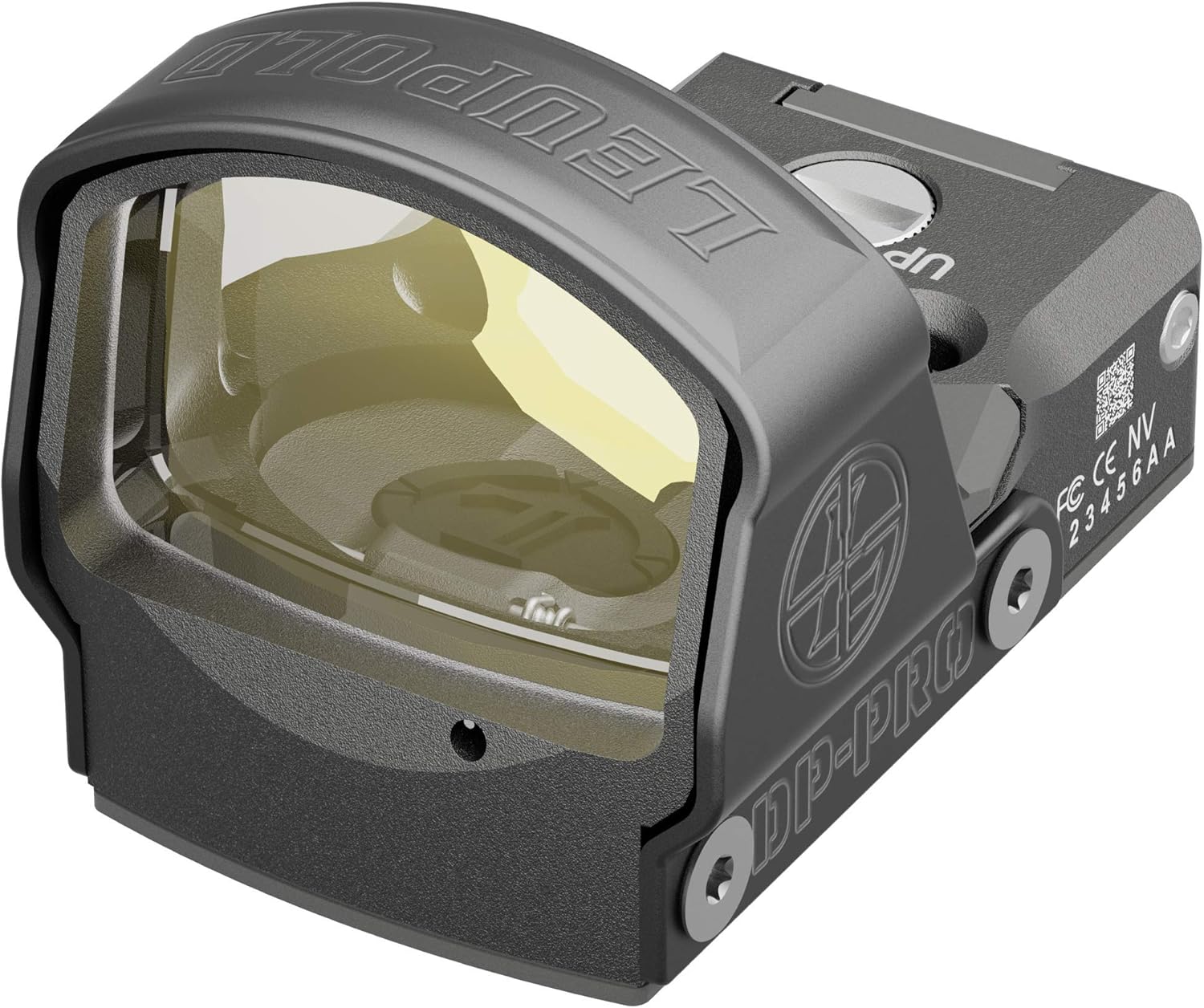
The DeltaPoint Pro offers one of the largest windows available on a pistol optic, making it exceptionally easy to track on the Beretta platform.
Specs
- Footprint: DeltaPoint Pro
- Dot sizes: 2.5 MOA and 6 MOA
- Battery: CR2032
- Motion sensor activation
- Magnesium housing
- Weight: 1.95 oz
Pros
- Massive viewing window
- Excellent clarity
- Easy target transitions
- Convenient top battery access
Cons
- Larger profile for concealment
- Rear sight attachment adds cost
- Slightly exposed front lens
My Hands-On Notes
The DeltaPoint Pro feels extremely natural on the Beretta 92X Compact because the large window reduces visual searching during presentation. For newer red-dot shooters, this can dramatically shorten the learning curve.
Glass quality is excellent. Lens tint is minimal, and the optic provides outstanding brightness in direct sunlight. Window distortion is also very well controlled near the edges.
The top-loading battery system is one of my favorite features because maintenance is quick and zero retention stays consistent. The brightness button is large enough for gloved operation, though cycling through settings can feel slower than dedicated up/down button layouts.
Parallax shift is minimal during realistic defensive shooting distances. Because of the large window geometry, tracking the dot during recoil feels smoother than smaller optics.
The housing is durable, but it does not feel as impact-resistant as the forged RMR or enclosed ACRO system. Still, for range use, carry, and defensive applications, it performs extremely well.
What People Say Online
Competitive shooters and range enthusiasts frequently praise the DeltaPoint Pro for fast target acquisition and exceptional field of view.
Mounting Clarity
The Beretta requires a DeltaPoint Pro-compatible optics plate. Direct slide mounting is not available.
╰┈➤ Explore User Feedback and Current Pricing on Amazon
Steiner MPS
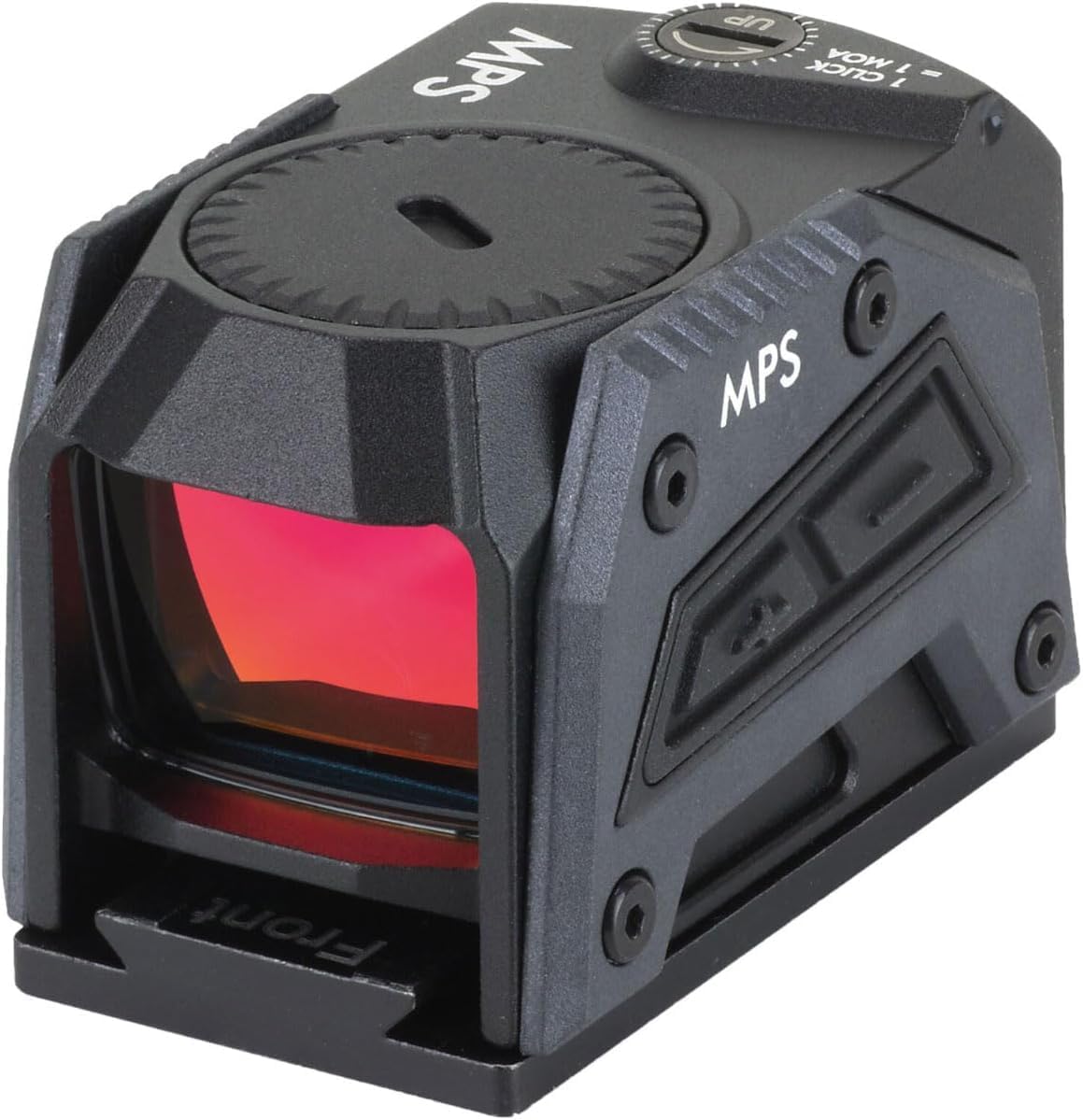
The Steiner MPS is one of the most underrated enclosed-emitter pistol optics currently available.
Specs
- Footprint: ACRO-compatible
- 3.3 MOA dot
- Battery: CR1632
- Fully enclosed emitter
- Aluminum housing
- Weight: 2.05 oz
Pros
- Excellent glass clarity
- Fully enclosed emitter
- Strong durability
- Lower optical distortion
Cons
- Shorter battery runtime
- Slightly bulky profile
- Limited aftermarket accessories
My Hands-On Notes
The MPS sits slightly lower than the ACRO P-2, which improves presentation on the Beretta 92X Compact. The lower deck height helps preserve a more natural point of aim while improving co-witness compatibility.
Glass clarity is exceptional. Steiner uses very neutral coatings, so lens tint remains minimal even in bright conditions. The emitter produces a clean dot with limited blooming.
During recoil testing, the optic stayed stable and tracked smoothly. The enclosed design completely eliminated moisture-related emitter blockage. I also noticed less perceived tunnel effect compared to the ACRO.
The side-mounted controls are glove-friendly and provide sharp tactile feedback. Battery replacement is simple, though runtime is shorter than some competing enclosed optics.
Parallax management is excellent inside realistic pistol distances. Window edge distortion is almost nonexistent, which helps maintain visual consistency during rapid movement.
What People Say Online
Users frequently compare the MPS favorably against the ACRO because of its clearer glass and slightly lower profile. Many shooters also appreciate its rugged construction.
Mounting Clarity
The Steiner MPS uses an ACRO-compatible mounting interface and requires the correct Beretta optics plate.
╰┈➤ Explore User Feedback and Current Pricing on Amazon
SIG ROMEO-X Compact
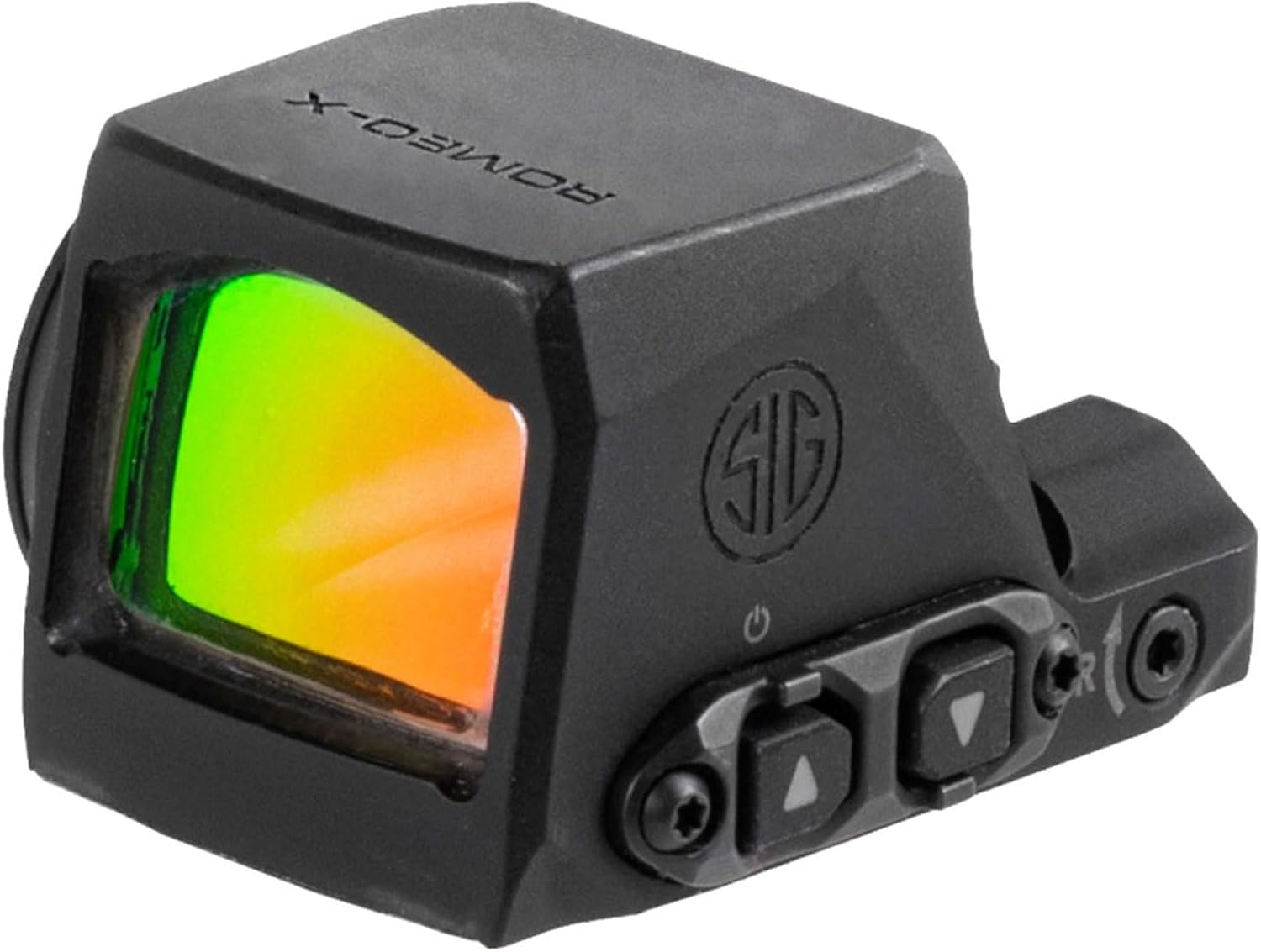
The ROMEO-X Compact blends modern enclosed-style durability concepts with a slimmer carry-friendly profile.
Specs
- Footprint: RMSc variant
- Side battery tray
- Multi-coated lenses
- Aspheric glass
- Aluminum housing
- Compact carry dimensions
Pros
- Very low deck height
- Crisp glass quality
- Excellent carry ergonomics
- Strong brightness performance
Cons
- Smaller window than competition optics
- Premium pricing
- Limited long-term track record
My Hands-On Notes
The ROMEO-X Compact feels particularly refined on compact carry pistols. On the Beretta 92X Compact, the lower deck height noticeably improves natural indexing and sight acquisition.
The aspheric lens design minimizes distortion exceptionally well. I observed very little edge warping, and the glass remains surprisingly neutral without excessive blue or green tint. Dot crispness is excellent even at higher brightness settings.
Button responsiveness is excellent while wearing gloves, and the side battery compartment simplifies maintenance. The optic also sits lower than most enclosed-style competitors, improving co-witness potential.
Recoil handling remained consistent throughout testing. The optic tracked cleanly without excessive bounce, and the compact housing reduced visual obstruction during transitions.
The emitter area is more protected than traditional open emitters, though not completely sealed like a true enclosed design. That creates a solid balance between concealability and environmental resistance.
What People Say Online
Many shooters praise the ROMEO-X Compact for combining modern durability with a slimmer carry profile. Early adopters frequently mention excellent glass clarity and low mounting height.
Mounting Clarity
The ROMEO-X Compact may require adapter compatibility verification depending on the Beretta mounting plate configuration and footprint selection.
╰┈➤ Explore User Feedback and Current Pricing on Amazon
How I Tested These Optics
I evaluated each optic specifically with handgun performance in mind rather than simply comparing spec sheets.
Parallax
I tested dot shift from awkward shooting angles at distances between 7 and 25 yards. Most modern optics control parallax reasonably well near center, but some show noticeable edge shift during rapid target transitions. Larger windows generally helped reduce perceived dot drift.
Co-Witness and Deck Height
The Beretta 92X Compact sits higher than many striker-fired pistols once optics plates are installed. Because of that, deck height becomes extremely important. Lower optics preserve natural presentation and allow more usable backup iron sight visibility.
Durability
I evaluated housing rigidity, lens protection, sealing quality, and recoil resistance. Metal-frame pistols cycle differently than polymer guns, and poorly reinforced optics can lose zero faster on heavy reciprocating slides.
Battery Performance
Battery compartment placement matters more than many shooters realize. Side-loading and top-loading batteries simplify maintenance and preserve zero. I also considered runtime consistency and auto-brightness efficiency.
Brightness Range
A defensive optic needs daylight visibility without excessive bloom indoors. I checked each optic in direct sunlight, dim indoor environments, and transitional lighting conditions.
Glass Quality
Lens coatings heavily influence tint, clarity, and perceived distortion. Neutral coatings generally feel more natural during target tracking, while aggressive tint can increase contrast but reduce realism.
Controls and Ergonomics
Small brightness buttons become frustrating during stressful manipulations or cold-weather shooting. I paid close attention to tactile feedback and ease of adjustment with gloves.
Mounting Ecosystem
The Beretta optics system requires careful plate selection. I favored optics with well-supported footprints and strong aftermarket compatibility.
How to Choose the Right Red Dot for This Gun
Choosing an optic for the Beretta 92X Compact is different from selecting one for a Glock or SIG P320 because the pistol’s open-slide architecture changes how the optic reciprocates during recoil. Heavier optics can make the slide feel slower and more top-heavy, while extremely tall optics can interfere with natural presentation.
If your priority is maximum durability, enclosed emitters like the ACRO P-2 or Steiner MPS make the most sense. They completely protect the emitter from moisture, lint, and debris. For concealed carry, that reliability advantage is significant.
If you prioritize fast target acquisition and competitive shooting performance, larger-window optics like the DeltaPoint Pro or Holosun 507C provide a more forgiving sight picture. Bigger windows help newer shooters track the dot more consistently during recoil.
Mounting height also matters heavily on the Beretta platform. Taller optics exaggerate the pistol’s already elevated optic axis. Lower-profile optics generally feel faster and more natural during presentation.
Battery access should not be ignored either. Bottom-loading batteries require removing the optic and re-confirming zero. Side-loading and top-loading systems simplify long-term ownership considerably.
You should also pay attention to footprint compatibility. The Beretta 92X Compact requires dedicated optics plates, and not every footprint is equally supported. RMR-pattern optics currently offer the widest aftermarket compatibility.
For defensive use, I strongly prefer optics with tactile controls, strong sealing, and proven recoil resistance. Competition shooters may lean more toward larger windows and lighter housings.
Ultimately, the right optic depends on whether your Beretta serves as a carry pistol, range gun, or duty platform.
FAQs
Is the Beretta 92X Compact optics ready?
Yes. Optics-ready variants include a removable plate system that accepts adapter plates for popular footprints like RMR and ACRO.
What footprint works best on the Beretta 92X Compact?
RMR-pattern optics currently offer the best overall aftermarket support and plate availability.
Are enclosed emitters worth it on a carry gun?
Yes. Enclosed emitters prevent moisture, lint, and debris from blocking the projected dot during daily carry.
Can I co-witness iron sights with these optics?
Partial co-witness is possible depending on the optic height, plate system, and iron sight selection.
Which optic is best for concealed carry?
For carry, I prefer the Steiner MPS or SIG ROMEO-X Compact because they balance durability with manageable slide profile and carry comfort.
Conclusion
Finding the Best Red Dot For Beretta 92x Compact comes down to balancing durability, window size, mounting height, and recoil behavior on this unique metal-frame pistol platform. After extensive testing, I think the Holosun 507C offers the best overall value, while the Aimpoint ACRO P-2 remains the strongest choice for maximum duty-grade reliability.
The Trijicon RMR Type 2 still dominates in proven toughness, the DeltaPoint Pro excels for fast shooting, and the Steiner MPS delivers one of the cleanest enclosed-emitter experiences currently available. If low-profile concealment matters most, the SIG ROMEO-X Compact deserves serious consideration.
No matter which optic you choose, proper mounting plates, torque specs, and consistent training matter just as much as the optic itself.
Sources: Beretta optics mounting documentation, Trijicon product specifications, Aimpoint technical manuals, Reddit user reports from r/Beretta and r/CCW, Sage Dynamics optic testing, and manufacturer footprint references.