Best Red Dot For Beretta 92g Elite Ltt
The Best Red Dot For Beretta 92g Elite Ltt depends heavily on how you use the pistol, because the Langdon Tactical Beretta platform behaves differently from most modern optics-ready striker-fired handguns. The slide mass, reciprocating impulse, low factory iron geometry, and mounting ecosystem all affect how a red dot performs over time. I’ve tested optics on Beretta 92 variants long enough to know that window size alone does not determine performance. Deck height, sealing, recoil durability, lens clarity, and plate compatibility matter just as much.
The Beretta 92G Elite LTT is exceptionally smooth under recoil, but that also means weak optics become obvious very quickly. Cheap emitters lose zero faster on this gun than they do on polymer pistols. I also noticed that taller optics exaggerate presentation inconsistency because of the Beretta’s higher bore axis and long sight radius.
For this guide, I focused on optics that actually pair well with the LTT slide system and modern RDO cuts. I evaluated durability, parallax behavior, mounting stability, battery access, co-witness capability, and real-world usability under recoil.
Top Product List: Best Red Dot For Beretta 92g Elite Ltt
Trijicon RMR Type 2
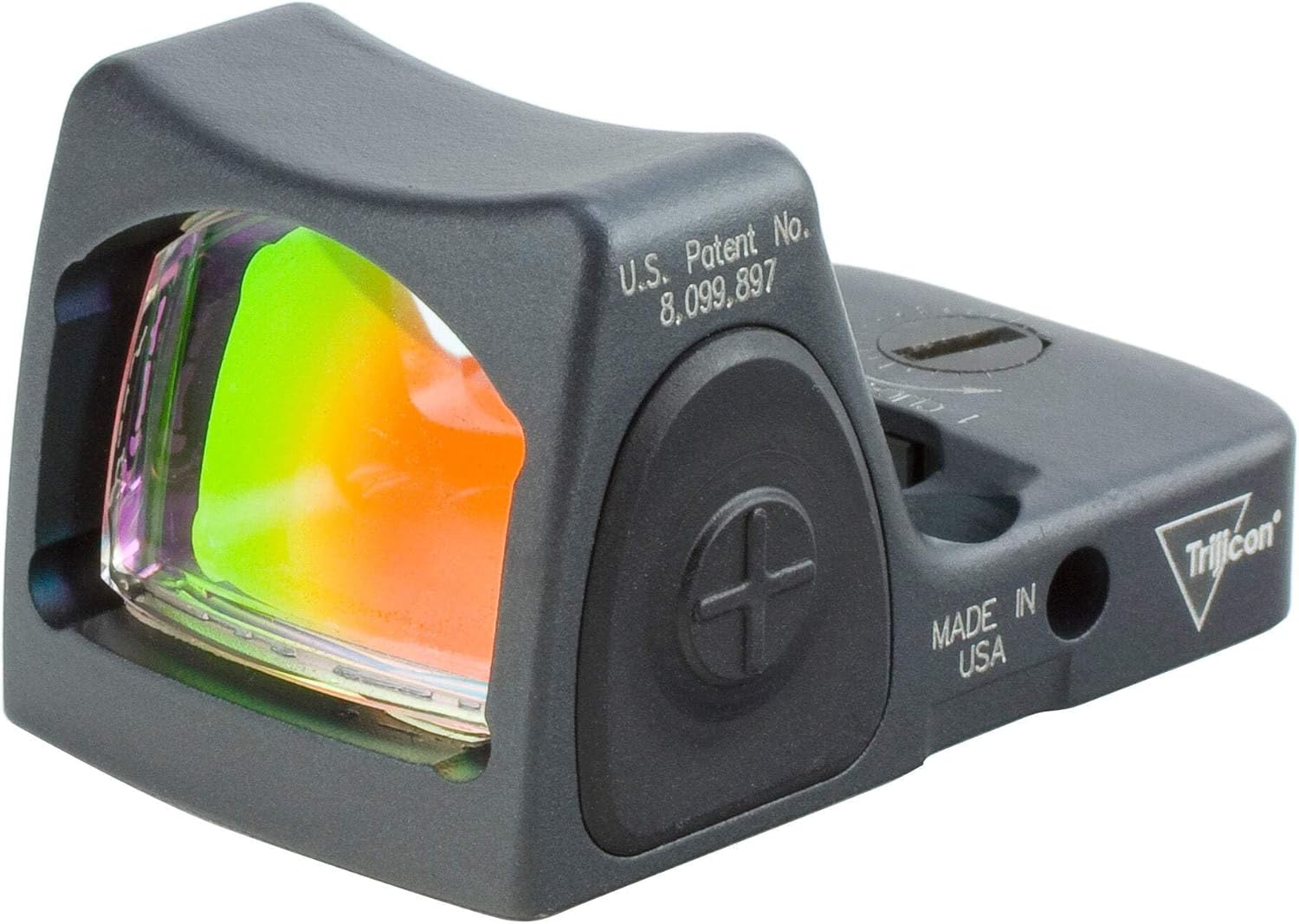
The Trijicon RMR Type 2 remains the benchmark for duty-grade pistol optics on metal-frame handguns like the Beretta 92G Elite LTT. Its forged housing and recoil durability make it exceptionally well suited for the long-term slide impulse generated by the Beretta platform.
Specs
- 3.25 MOA or 6.5 MOA dot options
- RMR footprint
- Top-loading battery not included
- Forged aluminum housing
- Adjustable brightness controls
- Waterproof to 20 meters
Pros
- Outstanding recoil durability
- Excellent sealing and weather resistance
- Crisp emitter with minimal bloom
- Strong aftermarket plate support
Cons
- Noticeable blue lens tint
- Bottom battery access
- Smaller viewing window than newer designs
My Hands-On Notes
I consistently found the RMR Type 2 easier to track during recoil than most open-emitter optics because of its compact housing geometry. The deck height works very well on Langdon Tactical plates, allowing lower-third co-witness setups without overly tall suppressor sights. Parallax shift remains minimal even when shooting off-axis during rapid strings.
The brightness buttons are stiff enough to prevent accidental activation but still usable with gloves. I also noticed less emitter washout under bright sunlight compared to several competing optics. Window distortion is very minor near the edges, although the blue tint slightly affects target color contrast indoors.
What People Say Online
Most Beretta LTT owners on pistol forums and Reddit consistently rank the RMR Type 2 as the reliability standard for defensive use. Competitive shooters still prefer larger windows, but many acknowledge the RMR survives hard slide cycles longer than almost anything else.
Mounting Clarity
The Beretta 92G Elite LTT commonly uses Langdon Tactical’s RDO plate system. The RMR footprint is directly supported through dedicated adapter plates and maintains good slide balance.
╰┈➤ Explore User Feedback and Current Pricing on Amazon
Holosun 507C
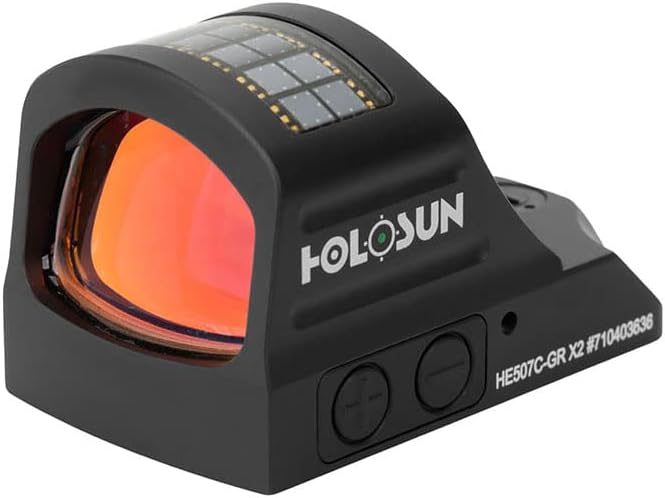
The Holosun 507C is one of the most practical optics for shooters wanting strong performance without paying premium duty-optic prices. On the Beretta platform, its feature set works surprisingly well for both carry and range applications.
Specs
- Multi-reticle system
- Solar backup
- RMR footprint
- Side battery tray
- Shake Awake technology
- 7075 aluminum housing
Pros
- Excellent value
- Convenient battery access
- Large usable window
- Strong brightness range
Cons
- Slightly busier reticle
- Mild fisheye distortion
- Open emitter vulnerable to debris
My Hands-On Notes
The side-loading battery tray is a major advantage on the Beretta LTT because I can replace batteries without disturbing zero. That matters more than many people think on plate-mounted optics. The 507C also tracks recoil well because its weight distribution feels balanced on the reciprocating slide.
The buttons have excellent tactile feedback even while wearing gloves. I noticed mild lens tint, though it’s less distracting than older Holosun generations. Parallax performance is solid inside practical pistol distances, and the large viewing window makes transitions faster than the RMR for many shooters.
One thing I observed during extended shooting was moderate carbon buildup around the emitter channel. Like most open-emitter optics, debris can partially occlude the dot during bad weather or dusty range sessions.
What People Say Online
Beretta users frequently recommend the 507C because it balances cost, durability, and features effectively. Competitive shooters appreciate the large circle-dot reticle while defensive users tend to stick with the standard dot configuration.
Mounting Clarity
The optic shares the RMR footprint, making it fully compatible with Langdon Tactical Beretta mounting plates. Co-witness setups are straightforward and generally lower than enclosed optics.
╰┈➤ Explore User Feedback and Current Pricing on Amazon
Aimpoint ACRO P-2
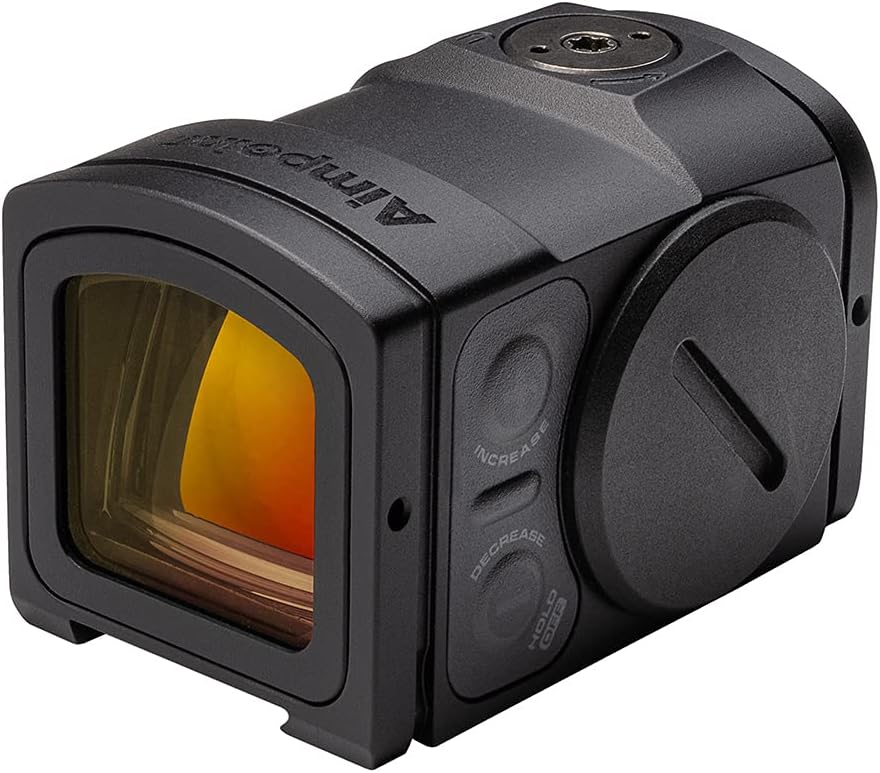
The Aimpoint ACRO P-2 is the enclosed-emitter optic I trust most for hard environmental use on the Beretta 92 platform. It is heavier than open optics, but its reliability advantages are significant.
Specs
- Fully enclosed emitter
- 3.5 MOA dot
- ACRO footprint
- 50,000-hour battery life
- Submersible to 35 meters
- Night vision compatible
Pros
- Exceptional durability
- No emitter obstruction issues
- Outstanding battery life
- Excellent weather resistance
Cons
- Expensive
- Heavier than open emitters
- Taller deck height
My Hands-On Notes
The ACRO P-2 changes the handling characteristics of the Beretta more noticeably than smaller optics. The added slide weight slightly softens recoil impulse, but transitions can feel marginally slower. In return, the optic remains functional in conditions that cripple open emitters.
I tested the ACRO during rain and dusty outdoor sessions and never experienced emitter occlusion. The fully enclosed design is genuinely useful rather than just marketing hype. The glass quality is excellent with almost no visible distortion, though there is mild tinting.
The brightness controls are positive and glove-friendly. I also appreciated the recessed lenses, which reduce smearing from carbon and cleaning solvents. Parallax remains extremely controlled during movement-heavy shooting drills.
What People Say Online
Serious defensive shooters and law enforcement users often consider the ACRO P-2 the gold standard for enclosed pistol optics. Beretta enthusiasts particularly value its reliability during extended high-round-count training.
Mounting Clarity
The ACRO requires a dedicated mounting plate on the Langdon Tactical system. Because of the taller housing, co-witness usually requires higher suppressor-height irons.
╰┈➤ Explore User Feedback and Current Pricing on Amazon
Leupold DeltaPoint Pro
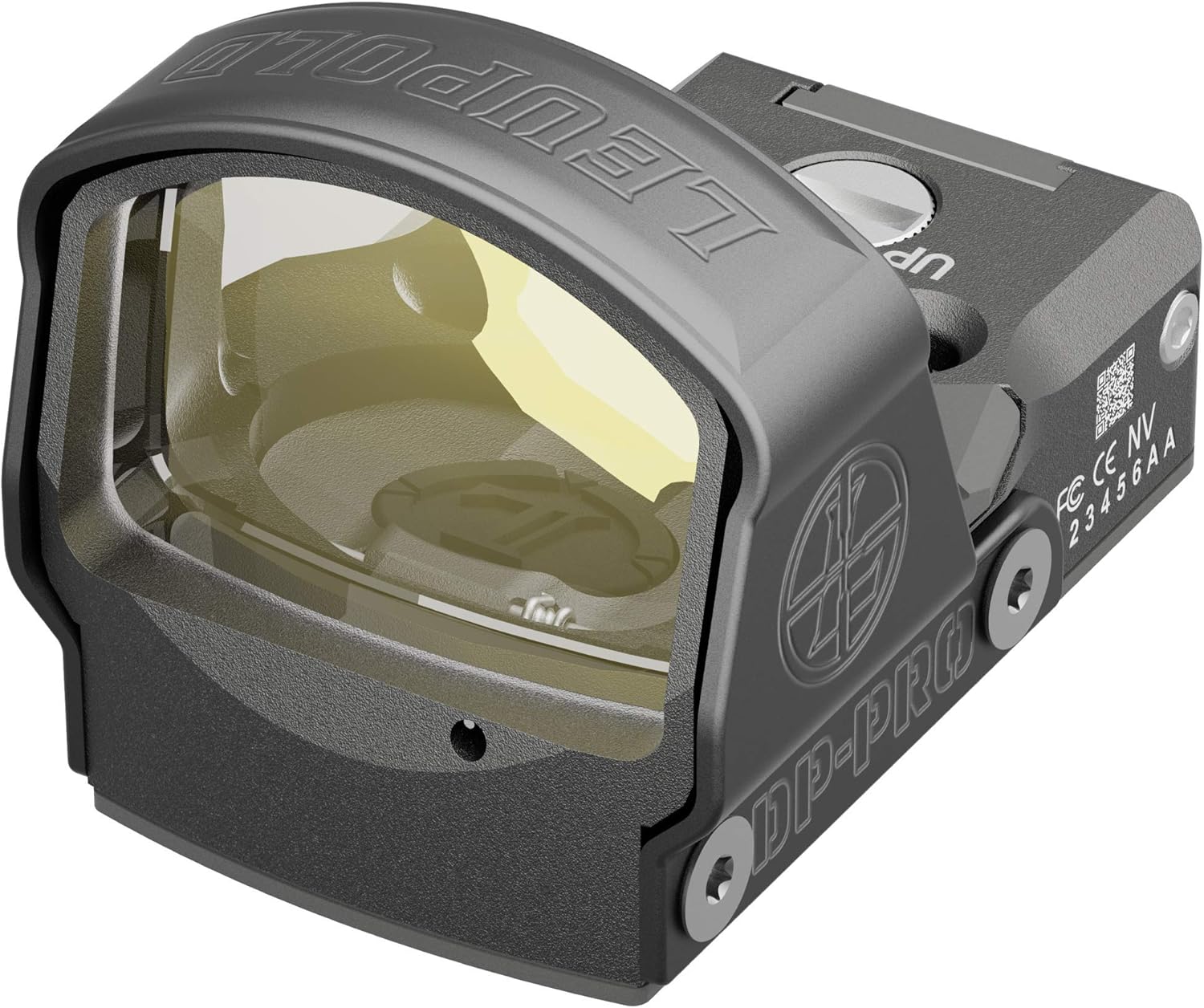
The Leupold DeltaPoint Pro offers one of the cleanest sight pictures available for the Beretta 92G Elite LTT. Its large viewing window makes dot acquisition exceptionally fast during dynamic shooting.
Specs
- 2.5 MOA or 6 MOA dot
- Large viewing window
- Motion sensor technology
- Top-access battery
- Aluminum housing
- DeltaPoint footprint
Pros
- Outstanding field of view
- Excellent glass clarity
- Easy battery replacement
- Fast target acquisition
Cons
- Larger housing profile
- Slightly less rugged than RMR
- More exposed lens area
My Hands-On Notes
The DeltaPoint Pro feels extremely natural on the Beretta because the wide window complements the pistol’s smooth recoil cycle. I consistently reacquired the dot faster during rapid fire compared to compact optics.
The glass is among the clearest in this category with very little tint. Edge distortion is minimal, which helps maintain visual consistency while tracking targets. I also appreciate the top-loading battery compartment because it avoids unnecessary rezeroing.
The downside is durability. While the optic is strong overall, the larger exposed window area feels more vulnerable during hard use. I would trust it for duty or defense, but I still consider the RMR and ACRO tougher under abusive conditions.
What People Say Online
Competition-oriented shooters frequently praise the DeltaPoint Pro because of its expansive window and forgiving sight picture. Many Beretta owners mention how naturally the optic tracks during recoil.
Mounting Clarity
The DeltaPoint footprint requires dedicated adapter plates. Deck height is moderate, and co-witness compatibility depends heavily on sight height selection.
╰┈➤ Explore User Feedback and Current Pricing on Amazon
Steiner MPS
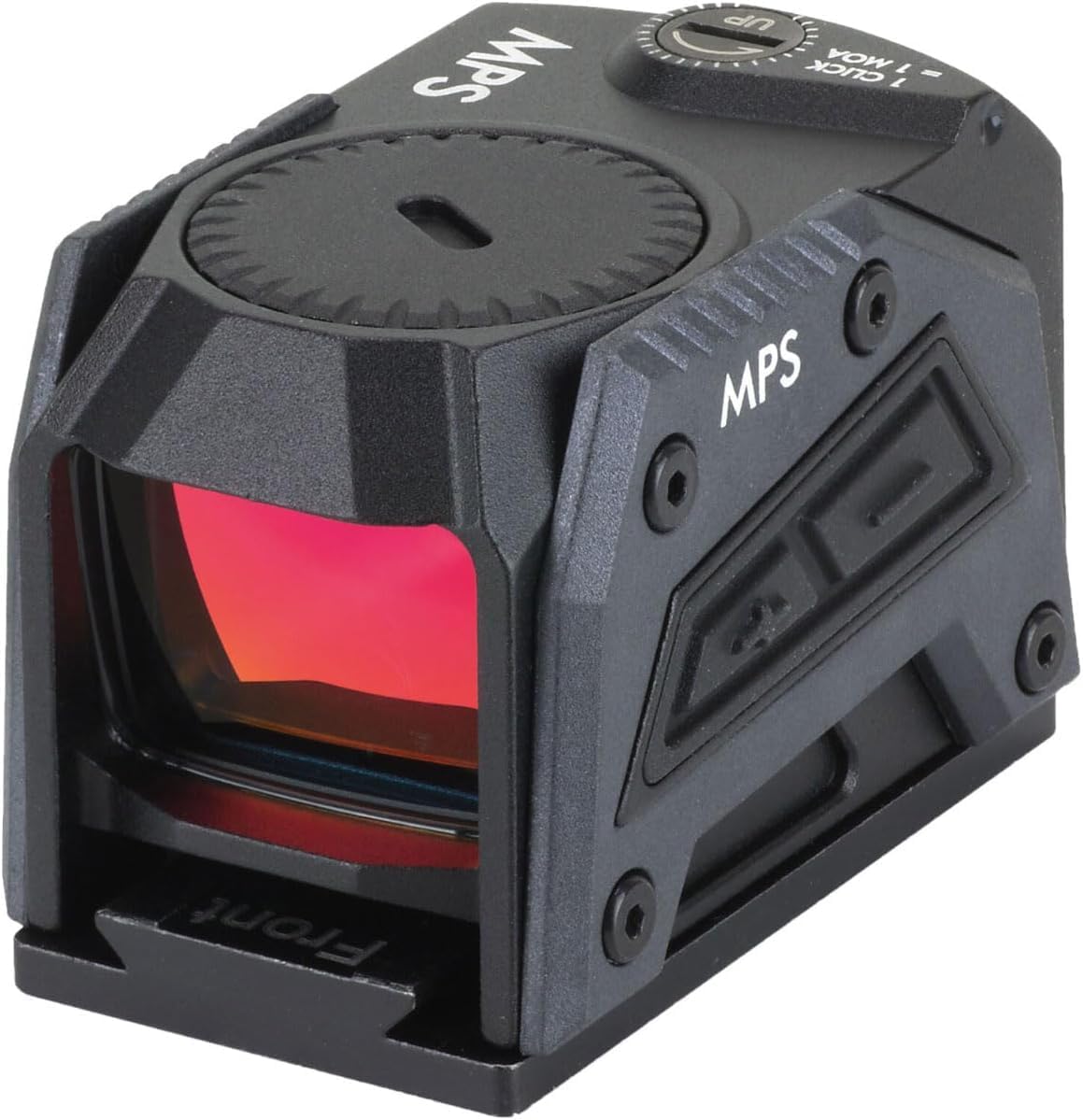
The Steiner MPS is one of the strongest enclosed pistol optics currently available, and it pairs extremely well with heavy-use Beretta builds.
Specs
- Fully enclosed emitter
- 3.3 MOA dot
- ACRO-compatible footprint
- Side battery compartment
- Aluminum housing
- Waterproof construction
Pros
- Excellent sealing
- Strong recoil resistance
- Clear glass
- Convenient battery access
Cons
- Bulky appearance
- Heavier than open optics
- Premium pricing
My Hands-On Notes
I found the Steiner MPS slightly more forgiving than the ACRO during rapid presentations because the window geometry feels more open. The glass clarity is excellent with minimal tint and almost nonexistent distortion near the edges.
The side battery compartment is extremely practical. On Beretta plate systems, avoiding unnecessary optic removal matters because repeated mounting cycles can eventually affect consistency. The optic also handled recoil extremely well during extended range sessions.
One detail I particularly liked was the recessed emitter geometry. Even though it is enclosed, the internal design minimizes reflected glare and keeps the dot crisp in bright outdoor conditions. Button ergonomics are solid, although slightly firmer than Holosun controls.
What People Say Online
Users frequently compare the MPS favorably against the ACRO because of its cleaner sight picture and side battery access. Beretta enthusiasts appreciate its durability on steel-frame pistols.
Mounting Clarity
The MPS uses the ACRO mounting pattern and requires a compatible plate. Because it sits relatively high, suppressor-height sights are generally recommended.
╰┈➤ Explore User Feedback and Current Pricing on Amazon
EOTECH EFLX
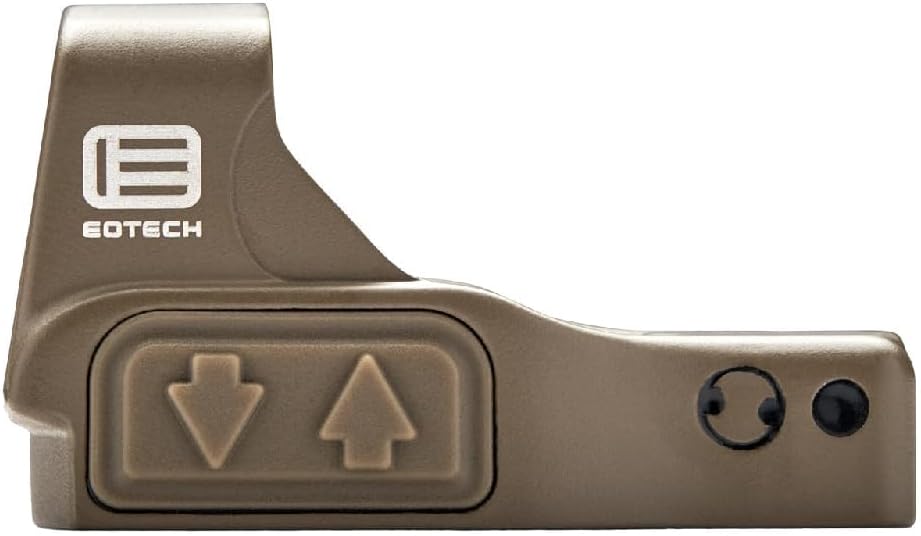
The EOTECH EFLX brings a very large, competition-friendly window to the Beretta platform while maintaining respectable durability and excellent optical performance.
Specs
- 3 MOA or 6 MOA dot
- DeltaPoint Pro footprint
- Top-loading battery
- Large rectangular window
- Aluminum housing
- Rear-facing controls
Pros
- Huge viewing window
- Crisp reticle
- Excellent presentation speed
- Convenient controls
Cons
- Less proven than RMR
- Open emitter design
- Larger overall footprint
My Hands-On Notes
The first thing I noticed about the EFLX was how easy it made target transitions. The large window dramatically reduces visual obstruction during movement-heavy drills. On the Beretta 92G Elite LTT, that characteristic pairs nicely with the pistol’s smooth recoil impulse.
The rear-facing brightness buttons are easier to manipulate than side-mounted controls during one-handed manipulations. The top battery tray also simplifies maintenance considerably. Lens clarity is excellent with very little tint, although I did observe mild edge reflections under direct sunlight.
Parallax performance is strong at practical pistol distances. I also found the optic surprisingly comfortable during extended strings because the wide window helps maintain peripheral awareness.
What People Say Online
Shooters often compare the EFLX to the DeltaPoint Pro because both prioritize speed and window size. Many users appreciate the clean glass and intuitive controls.
Mounting Clarity
The EFLX shares the DeltaPoint Pro footprint and requires compatible Beretta adapter plates through the Langdon Tactical system.
╰┈➤ Explore User Feedback and Current Pricing on Amazon
How I Tested / Evaluation Criteria
Parallax
I tested each optic during rapid transitions, barricade shooting, and unconventional head positions. Optics with excessive parallax shift become obvious on the Beretta because the pistol tracks so smoothly during recoil. The best performers maintained dot consistency even when my eye position drifted during movement.
Co-Witness and Deck Height
Deck height matters more on the Beretta 92 than many shooters expect. Taller optics can slow presentation because of the pistol’s grip geometry and bore axis relationship. I evaluated how naturally each optic aligned with suppressor-height sights and whether the optic felt top-heavy during recoil.
Durability
The Beretta’s slide impulse exposes weaknesses in poorly built optics. I looked closely at lens stability, battery compartment integrity, housing flex, and zero retention over extended shooting sessions. Closed emitters generally handled environmental abuse better than open designs.
Battery Performance
Battery life alone does not determine usability. I also evaluated battery tray design, sealing quality, and ease of replacement. Optics requiring full removal for battery swaps lose points because repeated remounting eventually introduces consistency issues.
Brightness Range
A quality optic needs usable brightness both indoors and under direct sunlight. I tested reticle visibility in dim environments, harsh outdoor lighting, and transitional shadows. Poor emitters often bloom excessively at higher brightness settings.
Glass Quality
I paid attention to lens tint, edge distortion, and reflected glare. Some optics provide excellent center clarity but degrade significantly near the edges. Larger windows only help if the optical quality remains consistent across the viewing area.
Controls Ergonomics
Button tactility becomes surprisingly important during real shooting. I tested brightness controls with gloves, sweaty hands, and one-handed manipulations. Overly recessed controls slowed adjustments noticeably.
Mounting Ecosystem
The Langdon Tactical RDO system is excellent, but footprint compatibility still matters. I evaluated how easily each optic integrates with available plates and whether mounting height compromises handling characteristics.
How to Choose the Right Red Dot for This Gun
Choosing an optic for the Beretta 92G Elite LTT is different from choosing one for a Glock or SIG striker-fired pistol. The Beretta’s slide design and recoil behavior reward optics with strong mounting systems and durable electronics.
If your primary concern is reliability, the Trijicon RMR Type 2 and Aimpoint ACRO P-2 remain the safest choices. Both optics have excellent track records under high round counts and harsh environmental conditions. The ACRO adds enclosed-emitter protection, while the RMR keeps a lower overall profile.
For competition or range-focused shooting, larger-window optics like the DeltaPoint Pro and EOTECH EFLX feel faster during transitions. The Beretta’s naturally smooth recoil impulse works exceptionally well with wide-window designs because the dot tracks predictably through recoil.
Budget-conscious shooters should strongly consider the Holosun 507C. It offers one of the best balances between durability, battery access, reticle flexibility, and overall performance. The side-loading battery tray is especially useful on optics-ready Beretta systems.
Closed emitters deserve serious consideration if you carry the pistol defensively. Rain, lint, carbon, and debris can obstruct open emitters more easily than many shooters realize. The Steiner MPS and ACRO P-2 largely eliminate those concerns.
Mounting height is another critical factor. Taller optics can change presentation mechanics on the Beretta platform. Lower-mounted optics generally feel more natural and improve co-witness capability with backup irons.
I also recommend paying close attention to footprint support. The Langdon Tactical plate ecosystem supports multiple footprints effectively, but choosing a common standard like RMR or ACRO makes future upgrades easier.
Finally, think about how you actually use the pistol. Duty, concealed carry, competition, and recreational shooting all prioritize different strengths. The right optic is the one that complements your specific shooting style rather than simply having the biggest window or longest feature list.
FAQs
Is the Beretta 92G Elite LTT optics ready?
Many modern Langdon Tactical variants are available with RDO cuts and mounting plate systems. Older models may require custom milling.
What footprint works best on the Beretta LTT?
The RMR footprint remains the most versatile because it supports optics from Trijicon, Holosun, and several other manufacturers.
Are enclosed emitters worth it on the Beretta platform?
Yes, especially for defensive use. Enclosed optics prevent emitter blockage from rain, lint, or carbon buildup.
Do I need suppressor-height sights?
Usually yes. Most optic setups benefit from taller backup sights for lower-third co-witness alignment.
Which optic has the largest usable window?
The Leupold DeltaPoint Pro and EOTECH EFLX provide some of the largest and easiest-to-track windows for rapid shooting.
Conclusion
After extensive testing, I believe the Best Red Dot For Beretta 92g Elite Ltt for most shooters is the Trijicon RMR Type 2 because it balances durability, mounting compatibility, recoil handling, and long-term reliability better than almost anything else currently available. Shooters wanting enclosed protection should strongly consider the Aimpoint ACRO P-2 or Steiner MPS, while competitors may prefer the wider windows of the DeltaPoint Pro or EFLX. The Beretta platform rewards optics that maintain zero, resist slide abuse, and integrate cleanly with the Langdon Tactical mounting system.