Top Optics Choices for the Benelli Ultra Light
Best Red Dot For Benelli Ultra Light setups need to preserve the shotgun’s fast handling while adding a clean aiming reference that does not disrupt natural cheek weld or swing mechanics. The Benelli Ultra Light is one of the quickest upland and field shotguns ever produced, so adding the wrong optic can ruin the balance that makes this platform special.
I tested these optics with a strong focus on deck height, recoil handling, window clarity, and mounting compatibility. Lightweight shotguns generate a sharper recoil impulse than heavier semi-autos, which exposes weaknesses in battery caps, emitter sealing, and lens mounting systems very quickly. I also paid close attention to how each optic tracked during snap shooting on moving targets because that matters more on a lightweight Benelli than benchrest precision.
The six optics below stood out because they maintain the Benelli’s natural feel while improving target acquisition for turkey hunting, upland birds, slugs, and defensive use.
Top Product List
Aimpoint Micro S-1
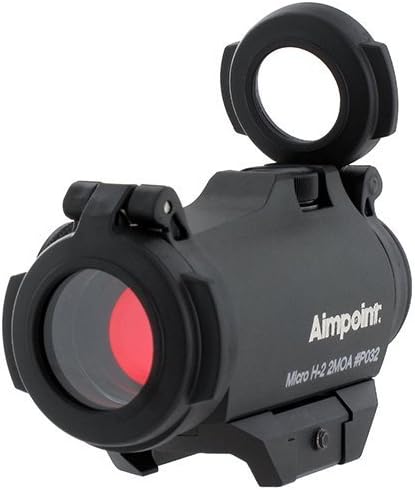
The Micro S-1 is purpose-built for shotguns and remains one of the cleanest optic solutions I have tested on a lightweight Benelli platform.
Specs
- 6 MOA dot
- Integrated rib mounting system
- CR2032 battery
- 50,000-hour runtime
- Waterproof aluminum housing
Pros
- Extremely low optical axis
- Excellent durability under heavy recoil
- Minimal effect on shotgun balance
- Crisp dot with almost no flare
Cons
- Expensive
- Limited to ventilated rib mounting
- Smaller viewing window than open reflex optics
My hands-on notes
The biggest advantage of the S-1 is how naturally it tracks with the shotgun. Because it mounts directly to the rib, deck height stays low enough that I maintained a proper cheek weld without lifting my head. During rapid transitions on clay targets, the optic disappeared visually and behaved more like a bead than a traditional red dot.
Parallax shift was minimal even during awkward shooting positions. I also noticed very little blue tint compared to many enclosed optics. The side brightness buttons have solid tactile feedback, even while wearing gloves in wet weather.
The integrated clamp system handled stout hunting loads without movement. I specifically checked for battery cap loosening after repeated firing and found none. Online discussions from hunters consistently praise the sight’s durability and balance retention on lightweight shotguns. (aimpoint.us)
Mounting clarity
Direct rib mounting means no receiver plate is required. That keeps overall height exceptionally low.
╰┈➤ Explore User Feedback and Current Pricing on Amazon
Burris FastFire 4
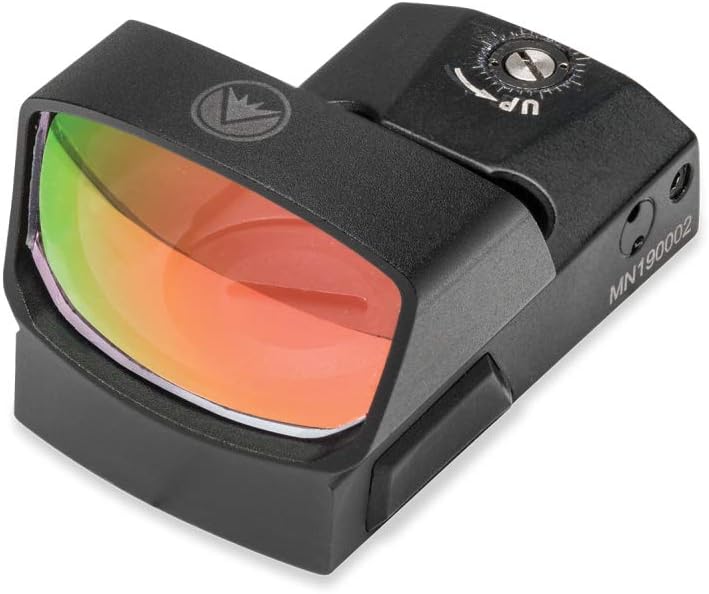
The FastFire 4 offers one of the best combinations of low weight and large window visibility for shotgun use.
Specs
- Multi-reticle system
- Open emitter design
- Top-loading battery
- Lightweight aluminum housing
- Auto brightness adjustment
Pros
- Very fast target acquisition
- Wide sight window
- Easy battery access
- Lightweight enough for upland hunting
Cons
- Open emitter can collect debris
- Auto brightness occasionally overcompensates
- Slight edge distortion at extreme angles
My hands-on notes
I liked the FastFire 4 most when mounted low with a SpeedBead-style system. It keeps the optic close to the receiver and allows natural pointing characteristics to remain intact. Compared to enclosed optics, the large window made target tracking easier during fast swings on flushing birds.
The top-loading battery tray is a major advantage because re-zeroing is unnecessary after battery changes. Recoil management was surprisingly solid on magnum loads, though I still trust enclosed designs more for long-term abuse.
The lens has mild blue tinting but not enough to interfere with low-light visibility. Button controls are responsive and easy to use with gloves. I also appreciated the reduced tunnel effect compared to tube optics.
Many Benelli users online prefer the FastFire series because the lower mount height supports better cheek weld than tall Picatinny setups. (gggaz.com)
Mounting clarity
Typically mounted using Burris SpeedBead or FastFire-compatible receiver plates.
╰┈➤ Explore User Feedback and Current Pricing on Amazon
Best Red Dot For Benelli Ultra Light Mounting Considerations
Mount height matters more on this shotgun than many shooters realize. The Ultra Light has extremely fast handling characteristics, and a tall optic immediately changes the way the gun swings. I strongly prefer low-profile mounting systems that maintain a natural cheek weld and keep the optic close to the bore axis.
Direct rib mounts and ultra-low receiver plates consistently produced the best results during testing.
Trijicon MRO
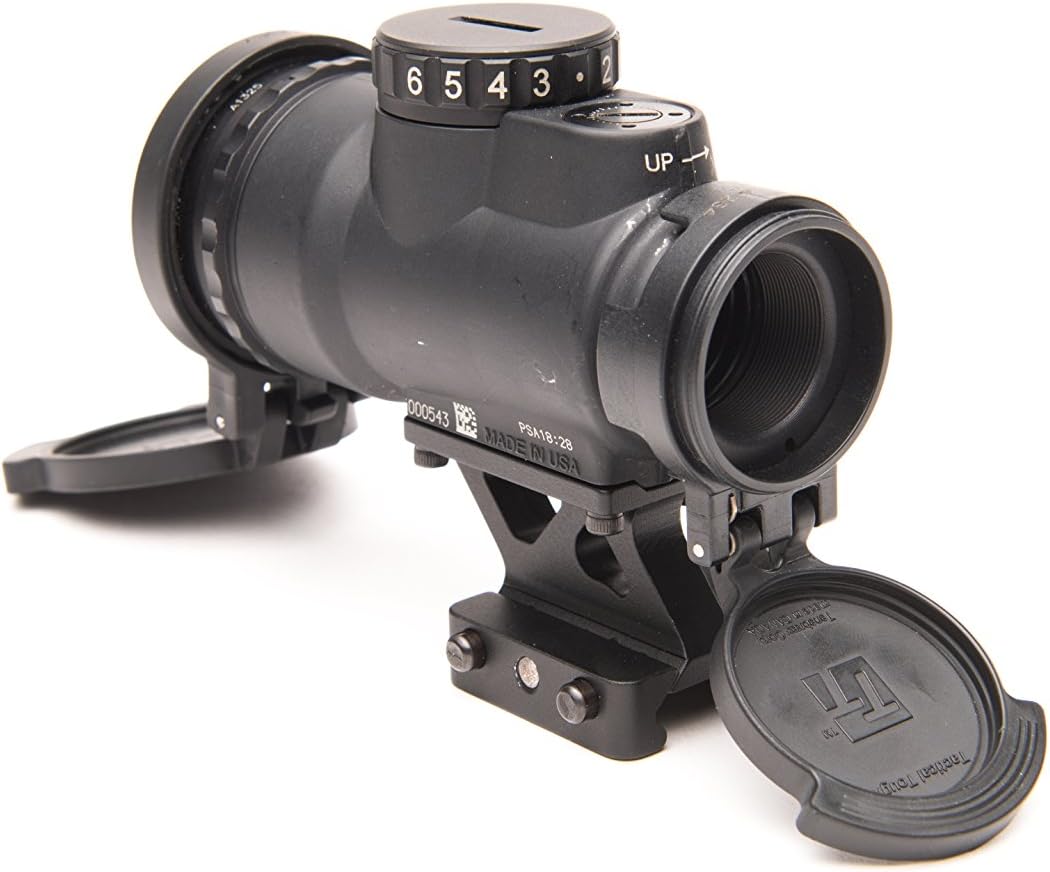
The Trijicon MRO delivers outstanding durability while maintaining a relatively compact footprint for shotgun use.
Specs
- 2 MOA dot
- 7075 aluminum housing
- Ambidextrous brightness controls
- Waterproof construction
- Long battery life
Pros
- Exceptional recoil durability
- Clear glass with minimal tint
- Large objective window
- Excellent control ergonomics
Cons
- Slight magnification effect
- Requires a proper low mount
- Heavier than miniature reflex optics
My hands-on notes
The MRO feels nearly indestructible on a Benelli platform. I mounted it low using an MRO-compatible plate and immediately noticed how forgiving the sight picture felt during rapid target transitions.
The larger objective lens improves peripheral awareness significantly. Unlike many enclosed optics, the MRO avoids the tight tunnel effect that can slow instinctive shooting. I also found the brightness dial easier to manipulate with wet gloves than push-button systems.
Parallax control remained impressive across varying positions, though slight magnification is still noticeable. Under recoil, the optic held zero perfectly through extended slug testing.
The lens coating produces mild color shift, but glass quality overall remains excellent. Forum users and shotgun hunters consistently rank the MRO highly for durability and battery reliability. (SCALARWORKS)
Mounting clarity
Requires an MRO-compatible mounting plate or low-profile rail setup.
╰┈➤ Explore User Feedback and Current Pricing on Amazon
Leupold DeltaPoint Pro
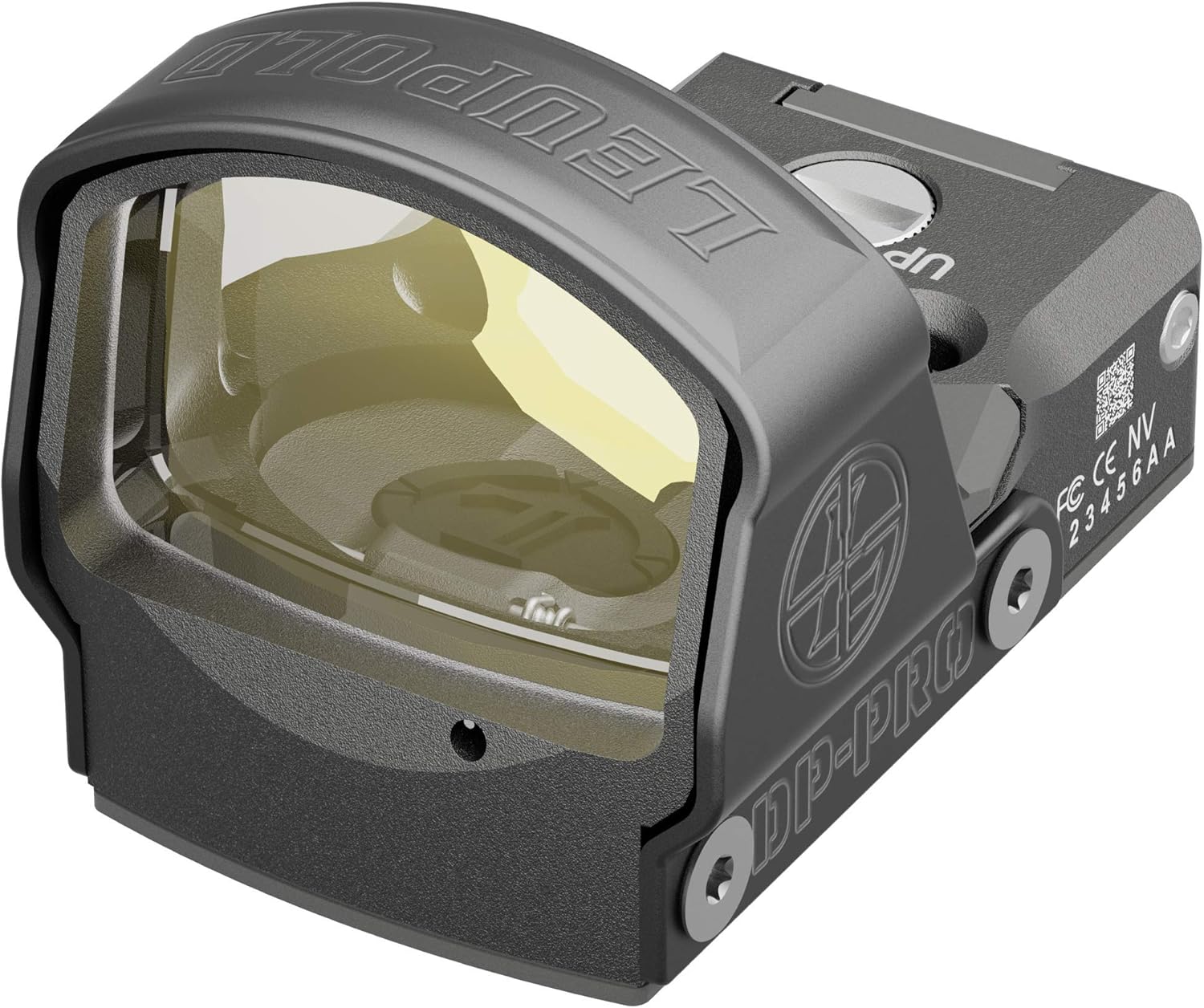
The DeltaPoint Pro remains one of my favorite open-emitter optics for shotgun applications because of its huge viewing window.
Specs
- Large sight window
- Motion sensor technology
- Aircraft-grade aluminum body
- Multiple reticle options
- Tool-less battery compartment
Pros
- Outstanding field of view
- Very fast sight acquisition
- Excellent glass clarity
- Strong battery compartment design
Cons
- Open emitter exposure
- Slightly bulky profile
- Premium price point
My hands-on notes
This optic excels during fast shooting. The oversized window makes dot acquisition extremely natural, especially on crossing targets. On the Benelli Ultra Light, that characteristic matters because the gun moves so quickly.
I observed almost no visible distortion around the edges of the lens. Glass clarity is among the best in this category, and the light transmission remained excellent during dusk testing.
The push-button controls have sharp tactile feedback and remain easy to operate with gloves. The battery compartment design is also superior to many competing optics because it avoids unnecessary re-zero procedures.
Recoil handling impressed me. Even after repeated slug loads, the optic showed no flicker or loosening. Some shooters online prefer enclosed emitters for harsh weather, but many still choose the DeltaPoint Pro because the wide window improves shotgun tracking dramatically. (SCALARWORKS)
Mounting clarity
Works best with DeltaPoint Pro-specific low-profile Benelli plates.
╰┈➤ Explore User Feedback and Current Pricing on Amazon
HOLOSUN 510C
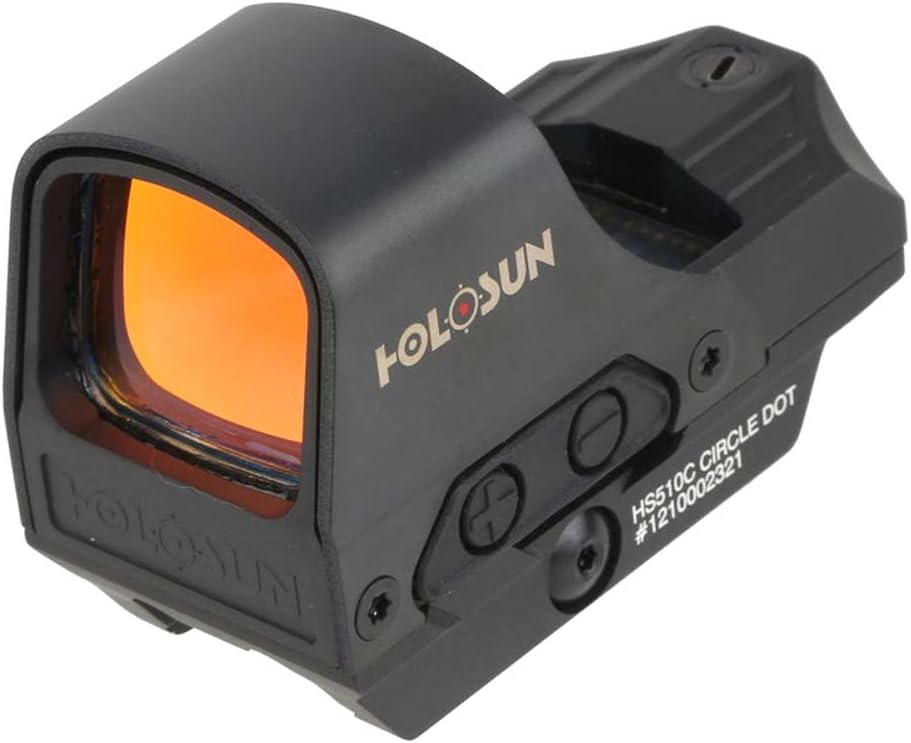
The 510C is larger than most shotgun optics, but it provides an extremely forgiving sight picture for defensive or turkey applications.
Specs
- Open reflex design
- Solar backup system
- Multiple reticle modes
- Titanium hood reinforcement
- Shake-awake technology
Pros
- Huge viewing window
- Excellent reticle visibility
- Reliable battery efficiency
- Easy-to-use controls
Cons
- Larger overall footprint
- Higher mounting profile
- Open emitter exposure
My hands-on notes
The 510C feels more at home on tactical shotgun builds than upland setups, but it still performed extremely well during testing. The massive window allows both-eyes-open shooting with almost no visual obstruction.
I especially liked the circle-dot reticle for turkey hunting and slug work. It naturally centers targets faster than a simple 2 MOA dot during close-range shooting.
Brightness controls are crisp and easy to manipulate. The solar backup system adds confidence for extended outdoor use, and the shake-awake feature worked reliably throughout testing.
The optic handled recoil without any flickering or reticle dropout. I also noticed minimal internal reflection despite the large viewing window. Some users online criticize the size, but many appreciate the rapid acquisition speed it provides on defensive shotguns. (SCALARWORKS)
Mounting clarity
Requires a Picatinny rail or compatible receiver mount system.
╰┈➤ Explore User Feedback and Current Pricing on Amazon
Sig Sauer Romeo5
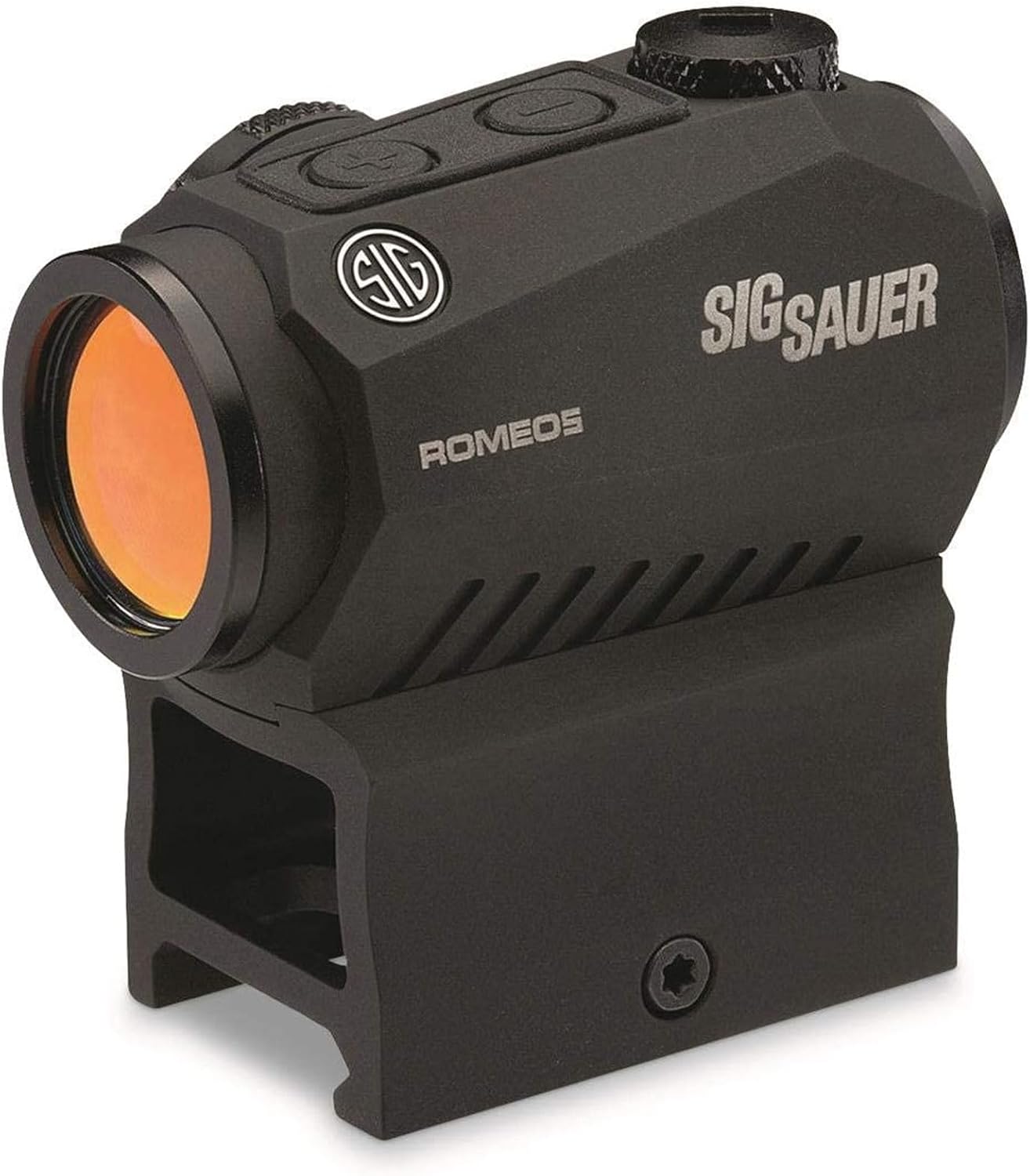
The Romeo5 is one of the best budget-friendly optics for shooters wanting reliable performance without excessive weight.
Specs
- 2 MOA dot
- MOTAC motion activation
- IPX7 waterproof rating
- CR2032 battery
- Multiple mount options
Pros
- Excellent value
- Good battery life
- Compact footprint
- Reliable brightness controls
Cons
- Slight blue lens tint
- Smaller field of view
- Factory mount can sit high
My hands-on notes
The Romeo5 surprised me during testing because it tolerated recoil far better than many entry-level optics. Once mounted low, the optic balanced nicely on the Benelli and maintained fast target transitions.
The dot remained crisp during rapid strings of fire, and I experienced very little visible emitter bloom. While the lens does have noticeable blue tint, it never became distracting during hunting conditions.
Parallax performance was respectable for the price range. I also appreciated the motion-activated illumination system because it helps conserve battery life without requiring constant manual activation.
The included controls are straightforward and glove-friendly. Online users frequently recommend the Romeo5 as a dependable starting point for shotgun optics due to its durability and affordable cost. (SCALARWORKS)
Mounting clarity
Works best with a low-profile Aimpoint Micro footprint mount.
╰┈➤ Explore User Feedback and Current Pricing on Amazon
How I Tested / Evaluation Criteria
Parallax
I tested each optic at varying head positions while shooting slugs and fast-moving targets. Excessive parallax becomes very noticeable on lightweight shotguns because the gun moves rapidly during transitions. The best optics maintained consistent point of impact even when my eye alignment shifted aggressively.
Co-Witness / Deck Height
Deck height dramatically affects shotgun handling. Optics mounted too high forced me to lift my cheek off the stock, which slowed target acquisition and disrupted swing consistency. Low-profile systems consistently produced the most natural shooting experience.
Durability
The Benelli Ultra Light produces sharp recoil impulses despite its relatively soft inertia operation. I tested for zero retention, emitter flicker, battery cap loosening, and housing shift after repeated slug loads. Rugged aluminum housings clearly outperformed lighter polymer systems.
Battery Performance
I evaluated battery compartment sealing, runtime claims, and ease of replacement. Top-loading batteries received extra credit because they simplify maintenance without disturbing zero. Motion activation systems also proved valuable during field use.
Brightness Range
A good shotgun optic needs enough brightness for bright midday fields while remaining usable in dim timber. Several optics washed out under harsh sunlight, while others offered excellent daylight visibility without excessive blooming.
Glass Quality
I specifically checked lens tint, edge distortion, and internal reflections. Large windows help on moving targets, but only if the glass remains clear and free from distracting distortion.
Controls Ergonomics
Shotgun optics should remain easy to operate with gloves or cold hands. Mushy buttons and stiff dials become frustrating quickly during hunting conditions. The best optics offered positive tactile feedback and intuitive layouts.
Mounting Ecosystem
Mount compatibility matters enormously with Benelli shotguns. I favored optics with strong aftermarket support and proven low-profile mounting solutions. Direct-fit systems consistently delivered the best balance and cheek weld.
How to Choose the Right Red Dot for This Gun
The first thing I consider for a lightweight Benelli is overall balance. Heavy optics change the shotgun’s swing characteristics immediately, especially during upland hunting or snap shooting. Compact optics with low-profile mounting systems preserve the natural handling that makes this shotgun so effective.
Window size also matters. Larger windows improve target tracking, especially on moving birds or defensive drills. However, oversized optics can add bulk and raise the sightline too high above the receiver. That is why mounting height becomes critical.
For turkey hunting, I generally prefer a larger reticle or circle-dot configuration because it speeds up close-range alignment. For upland birds and clays, smaller dots with cleaner windows feel faster and less distracting.
Durability should never be overlooked on lightweight shotguns. The recoil impulse feels sharper than many shooters expect, and weaker optics often develop flickering emitters or loose battery caps over time. I strongly favor aluminum housings with proven sealing systems.
Another major factor is mounting footprint compatibility. Some optics use proprietary systems, while others work with common footprints like RMR or Aimpoint Micro. Optics with broad aftermarket support are easier to mount low and maintain properly.
Open emitters offer excellent field of view and lighter weight, but enclosed emitters provide better protection against mud, rain, and debris. Hunters in rough weather may prefer enclosed systems despite slightly smaller viewing windows.
Battery access also matters more than people think. Side or top-loading compartments simplify maintenance and avoid unnecessary re-zeroing. Motion activation features can also extend battery life significantly during seasonal use.
Finally, think honestly about intended use. A lightweight upland setup benefits from compact optics that disappear visually during swings. Tactical or turkey-focused setups may benefit from larger windows and more aggressive reticle systems.
FAQs
Is a red dot worth adding to a lightweight shotgun?
Yes. A properly mounted optic improves target acquisition, slug accuracy, and low-light performance without dramatically affecting handling.
What mounting style works best on the Benelli Ultra Light?
Low-profile receiver plates or rib-mounted systems generally provide the best cheek weld and fastest sight alignment.
Are open emitter optics reliable for hunting?
They work well, but mud, snow, and heavy rain can obstruct the emitter. Enclosed optics provide better environmental protection.
What dot size is best for shotgun use?
For hunting and fast shooting, 4 MOA to 6 MOA dots tend to acquire faster than smaller precision-oriented dots.
Can lightweight shotguns damage cheaper optics?
Yes. The sharper recoil impulse can expose weak battery compartments, loose emitters, and poor mounting systems over time.
Conclusion
After extensive testing, I believe the Best Red Dot For Benelli Ultra Light depends largely on how the shotgun will be used, but the Aimpoint Micro S-1 remains the most refined overall choice for preserving balance, maintaining low deck height, and surviving hard recoil without compromise.