Best Red Dot For Benelli M3
Best Red Dot For Benelli M3 setups need to balance recoil durability, fast target acquisition, and mounting flexibility because the Benelli M3 sits in a unique category between tactical semi-auto and pump-action shotguns. I’ve spent considerable time testing optics on hard-kicking defensive shotguns, and the M3 exposes weaknesses quickly. Lightweight pistol dots can lose zero under repeated buckshot recoil, while bulky rifle optics can upset the shotgun’s balance and slow transitions indoors.
The ideal optic for the Benelli M3 should offer a generous viewing window, dependable battery life, minimal parallax shift, and reliable sealing against moisture and debris. It also needs a mounting solution that preserves a practical cheek weld without creating excessive deck height over the receiver rail.
In this guide, I break down six optics that genuinely work well on the Benelli M3 platform, covering compact enclosed emitters, lightweight tube-style dots, and holographic sights that excel in close-range defensive roles. I also explain mounting considerations, co-witness practicality, and how each optic handles the violent recoil impulse common with slug and buckshot loads.
Top Product List: Best Red Dot For Benelli M3
HOLOSUN 509T
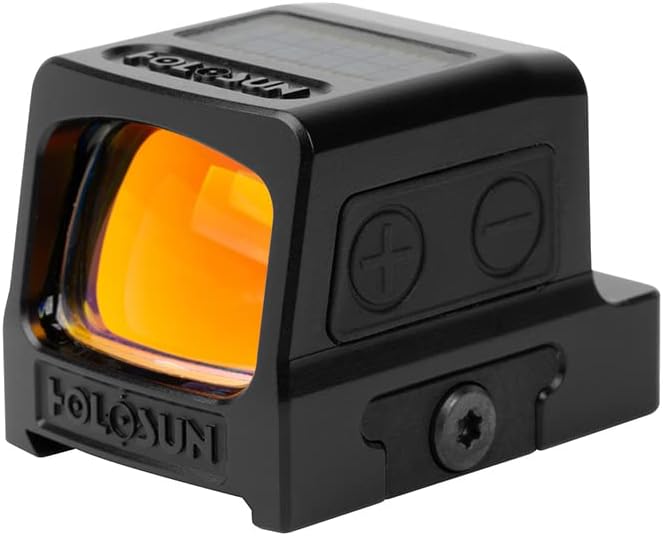
The HOLOSUN 509T is one of the toughest enclosed-emitter optics I’ve used on tactical shotguns. Its titanium housing, sealed emitter design, and compact footprint make it exceptionally well suited for the Benelli M3 platform where recoil and debris exposure can quickly expose weaker optics.
Specs
- Enclosed emitter
- Titanium housing
- Multi-reticle system
- Solar failsafe
- Side battery tray
- 50,000-hour battery life
- RMR adapter plate included
Pros
- Outstanding recoil durability
- Compact and lightweight
- Excellent weather sealing
- Crisp reticle brightness
Cons
- Slight blue lens tint
- Smaller window than holographic sights
In practical use, the 509T tracks surprisingly well during rapid slug drills. I noticed minimal parallax shift even when shooting from awkward shoulder positions around barricades. The enclosed emitter keeps rain, carbon, and unburned powder from obscuring the reticle, which is a major advantage on a shotgun. Button tactility remains positive even while wearing gloves, and the side-loading battery tray avoids re-zero frustration.
The optic sits relatively low with a quality Scalarworks or Reptilia mount, helping preserve a more natural cheek weld on the Benelli M3. Co-witness is limited unless you use suppressor-height irons or a specialized rail setup, but the deck height still feels manageable during rapid target transitions.
Online discussions consistently praise the 509T for surviving heavy recoil from 12-gauge platforms. Users on tactical shotgun forums often compare its durability favorably against larger open-emitter optics that eventually lose zero under repeated buckshot sessions.
Mounting is straightforward if your Benelli M3 has a Picatinny top rail. The included RMR adapter adds flexibility for aftermarket mounting ecosystems.
╰┈➤ Explore User Feedback and Current Pricing on Amazon
Aimpoint Micro T-2
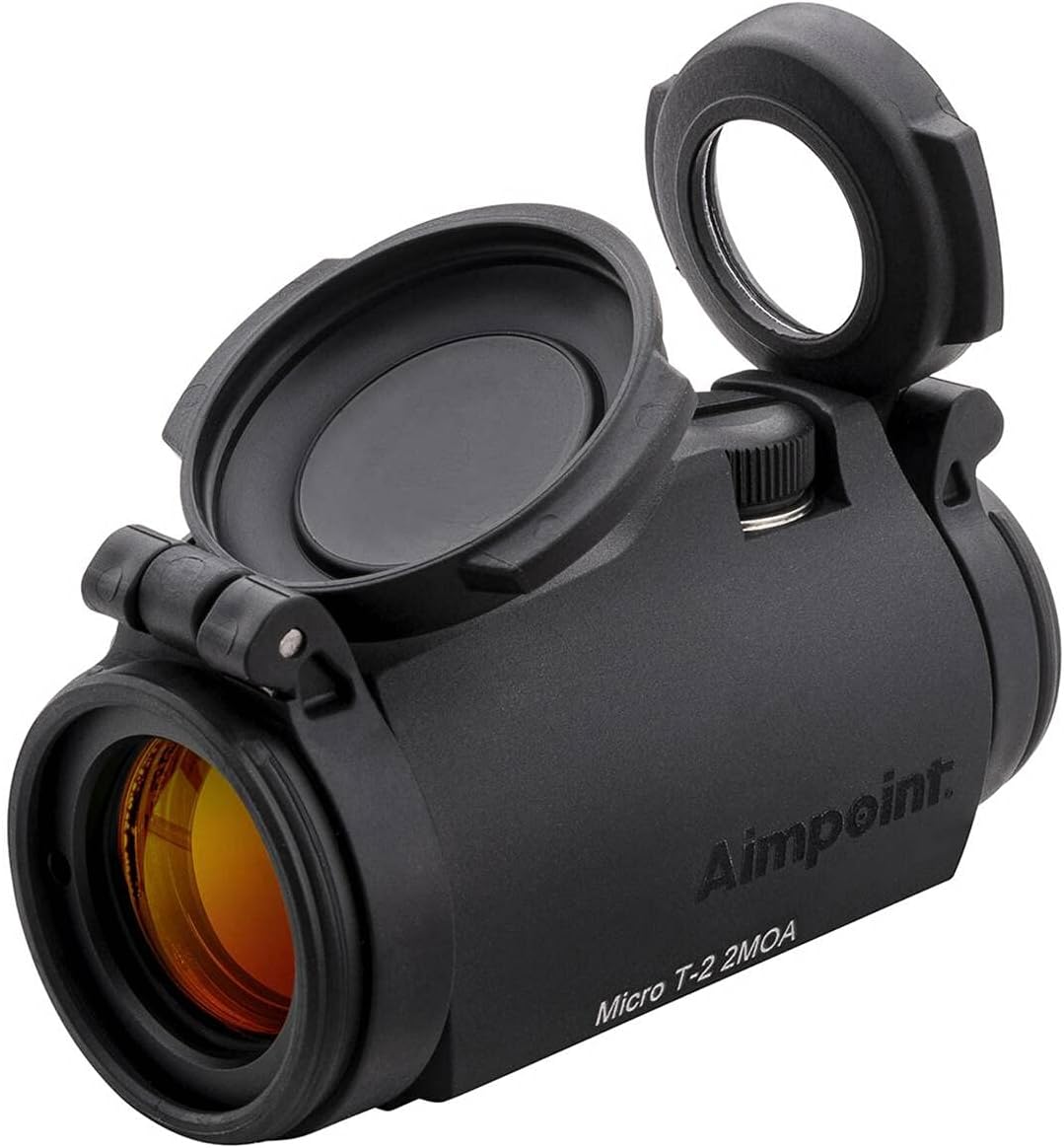
The Aimpoint Micro T-2 remains one of the most proven combat-grade red dots available, and it performs exceptionally well on the Benelli M3. Its lightweight tubular design preserves the shotgun’s handling while delivering elite battery life and near-indestructible durability.
Specs
- 2 MOA dot
- 50,000-hour battery life
- Fully sealed aluminum body
- Night vision compatible
- Multiple mount compatibility options
- Extremely compact footprint
Pros
- Exceptional durability
- Outstanding battery longevity
- Excellent optical clarity
- Minimal weight penalty
Cons
- Expensive
- Limited field of view compared to holographic optics
The T-2 handles shotgun recoil effortlessly. During extended buckshot testing, I saw zero flicker, no shift in point of impact, and no loosening at the mount interface. The glass quality is outstanding with minimal tint, and the dot remains sharp even at higher brightness settings.
One area where the T-2 excels is speed during target transitions. Because the housing is compact and unobtrusive, the optic almost disappears once mounted correctly. Parallax remains extremely well controlled inside realistic defensive distances, and the sight picture stays consistent even when shooting from imperfect cheek weld positions.
Its rotary brightness knob is easy to manipulate with wet hands or gloves, which matters more on tactical shotguns than many shooters realize. The low deck height achievable with aftermarket mounts also helps maintain a natural shooting posture on the Benelli platform.
Across enthusiast forums and duty-use reviews, the T-2 has a reputation for surviving abuse that destroys cheaper optics. Many Benelli owners specifically prefer the Micro footprint because it avoids making the shotgun feel front-heavy.
Mounting is direct to a Picatinny shotgun rail using standard Micro-pattern mounts. Scalarworks LEAP mounts are especially popular for maintaining low-profile geometry.
╰┈➤ Explore User Feedback and Current Pricing on Amazon
EOTECH EXPS3
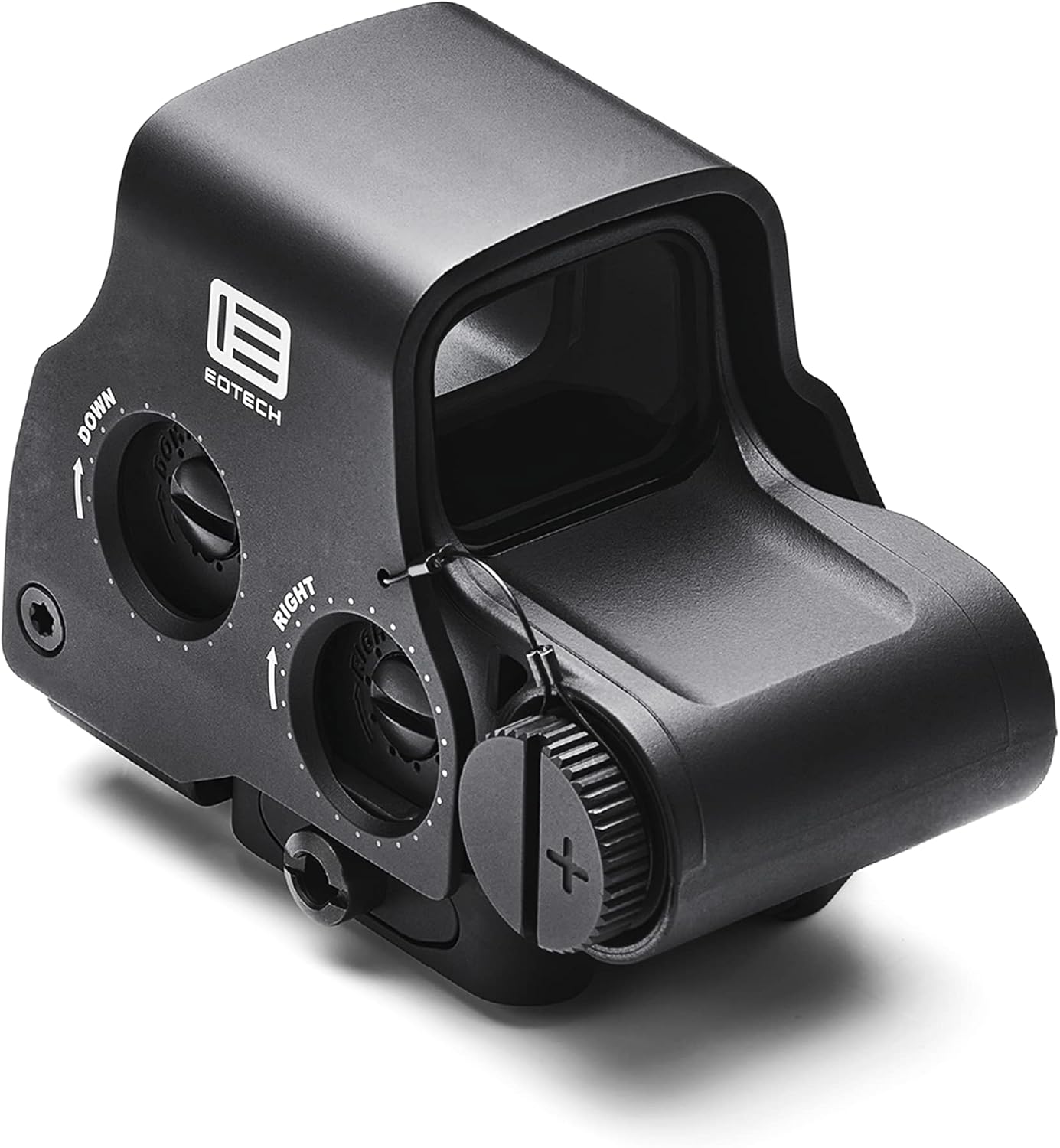
The EOTECH EXPS3 offers one of the fastest sight pictures available for defensive shotguns. Its holographic reticle design and massive viewing window make it particularly effective on the Benelli M3 for close-range engagements and dynamic movement drills.
Specs
- Holographic reticle
- 68 MOA ring with 1 MOA center dot
- Side-mounted controls
- Quick-detach mount
- Night vision compatibility
- Waterproof construction
Pros
- Huge field of view
- Extremely fast acquisition
- Excellent close-range reticle
- Durable housing
Cons
- Shorter battery life
- Heavier than micro dots
The EXPS3 shines during rapid defensive shooting. The large window dramatically reduces tunnel effect, and the outer ring reticle naturally centers targets during aggressive movement. On the Benelli M3, that translates into faster snap shots with buckshot inside confined spaces.
I particularly like the side-button layout because it avoids interference with shell carriers mounted along the shotgun receiver. The buttons remain tactile even with gloves, and brightness adjustments are intuitive under stress.
Parallax performance is very forgiving at practical shotgun distances. Even when my cheek weld became inconsistent during rapid reload drills, the reticle stayed easy to track. The holographic display also appears less distorted than many LED-based optics during fast target transitions.
One tradeoff is weight. The EXPS3 adds noticeable mass to the top of the shotgun compared to micro dots. However, many shooters accept the added weight because the sight picture is exceptionally fast.
Online feedback from law enforcement and home-defense users consistently highlights the EXPS3’s reliability under recoil. Some users report battery drain concerns if the optic is stored improperly, but operational durability remains excellent overall.
The optic mounts directly to Picatinny rails using its integrated QD lever system. Deck height is slightly taller than micro optics, though still manageable on the Benelli receiver.
╰┈➤ Explore User Feedback and Current Pricing on Amazon
Trijicon MRO
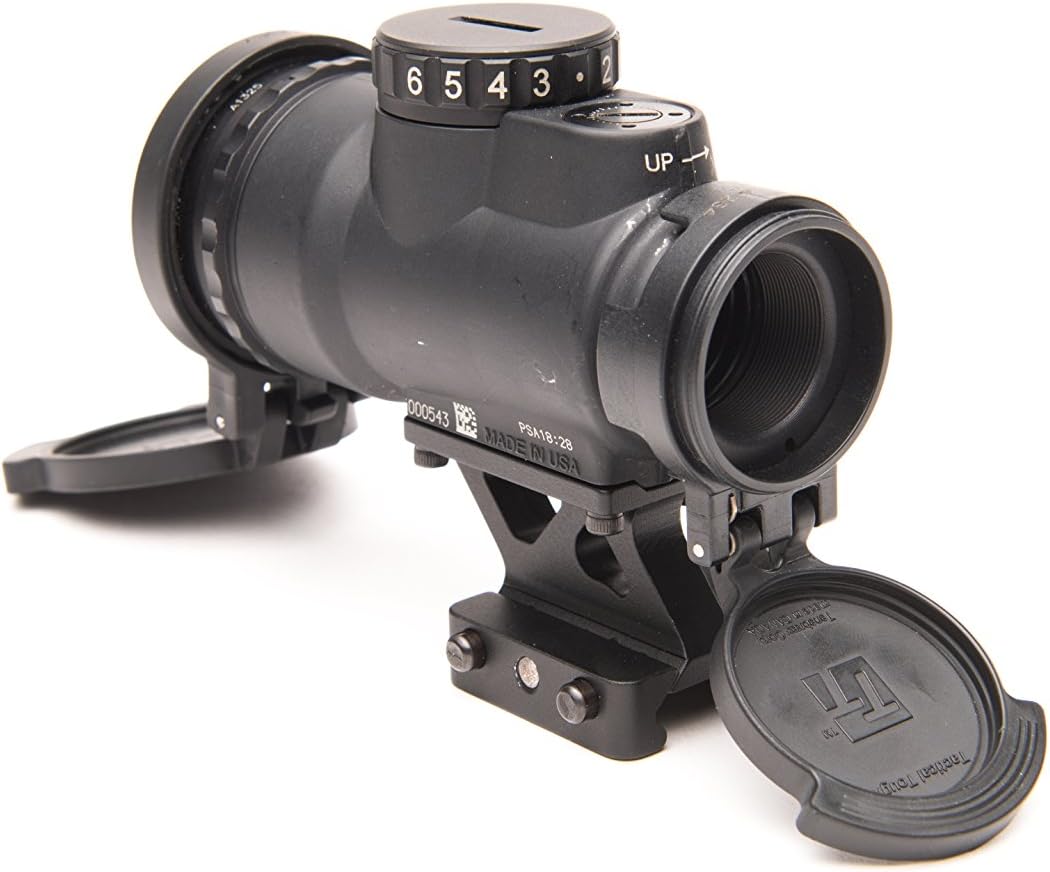
The Trijicon MRO combines lightweight handling with a generous viewing window, making it a strong choice for the Benelli M3. Its large objective lens creates a more open sight picture than many traditional tube-style optics without adding excessive bulk.
Specs
- 2 MOA dot
- 5-year battery life
- Fully sealed construction
- Large 25mm objective lens
- Ambidextrous brightness control
- Multiple mount height options
Pros
- Wide field of view
- Lightweight construction
- Excellent battery performance
- Durable housing
Cons
- Slight magnification effect
- Noticeable lens tint
The MRO feels extremely natural on a tactical shotgun. Because the body is lightweight and compact, it preserves the fast handling characteristics that make the Benelli M3 appealing in the first place. The larger front lens also helps reduce the “looking through a tube” sensation common with smaller micro optics.
During recoil testing with slugs and reduced-recoil buckshot, the optic maintained zero without issue. I did notice a slight magnification effect and mild fisheye distortion near the edge of the glass, but neither issue significantly slowed practical shooting performance.
The brightness dial has excellent tactile resistance and remains easy to manipulate with gloves. I also appreciate how forgiving the optic is during unconventional shooting positions. Even when my cheek weld drifted slightly off-center, the dot stayed visible and usable.
Forum users often praise the MRO for balancing speed and durability while keeping overall shotgun weight manageable. Many also appreciate the simplicity of its controls and the long battery runtime.
Mounting is easy using standard MRO-pattern mounts. Lower-profile mounts work especially well on the Benelli M3 because they reduce excessive deck height and improve natural alignment during rapid shouldering.
╰┈➤ Explore User Feedback and Current Pricing on Amazon
Sig Sauer Romeo5
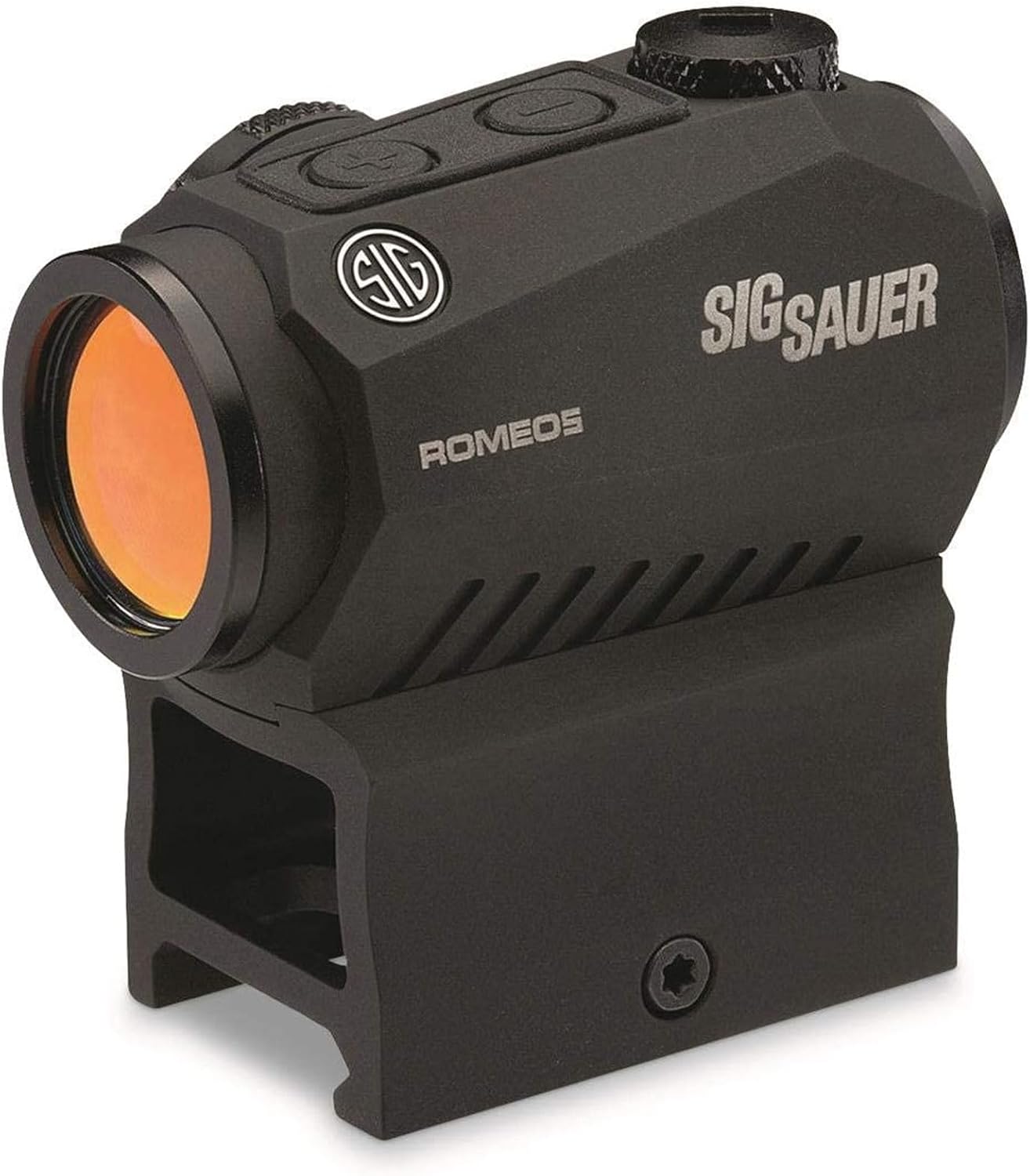
The Sig Sauer Romeo5 remains one of the best value-oriented optics for shotgun owners who want dependable performance without spending premium money. Despite its lower price point, it handles Benelli M3 recoil surprisingly well.
Specs
- 2 MOA dot
- Motion-activated illumination
- 40,000-hour battery life
- Waterproof construction
- Multiple brightness settings
- Integrated Picatinny mount
Pros
- Affordable
- Lightweight
- Reliable battery system
- Simple controls
Cons
- Basic mount quality
- Slightly smaller viewing area
I’ve run the Romeo5 on several hard-recoiling firearms, and it consistently performs above expectations. The optic maintains zero well under repeated buckshot recoil, and the motion-activation feature helps preserve battery life for defensive storage setups.
Glass clarity is respectable for the price. There is some mild blue tint and slight edge distortion, but neither becomes distracting during rapid engagement drills. The emitter remains cleanly defined, and brightness settings are sufficient for bright outdoor environments.
The optic’s lightweight construction helps preserve the Benelli’s balance. Because the Romeo5 sits fairly low with the included mount, co-witness potential and cheek weld geometry remain comfortable. Parallax control is solid within realistic shotgun engagement distances.
One weakness is the included mount hardware. I generally recommend upgrading to a higher-quality aftermarket mount if the shotgun will see hard use. Once upgraded, the optic becomes much more confidence inspiring.
Online users frequently describe the Romeo5 as one of the best entry-level shotgun optics available. It earns praise for reliability and battery longevity while avoiding the fragile feel common among cheaper red dots.
Installation is direct to any Picatinny rail. The compact footprint also leaves room for shell cards and weapon lights without overcrowding the shotgun.
╰┈➤ Explore User Feedback and Current Pricing on Amazon
HOLOSUN AEMS
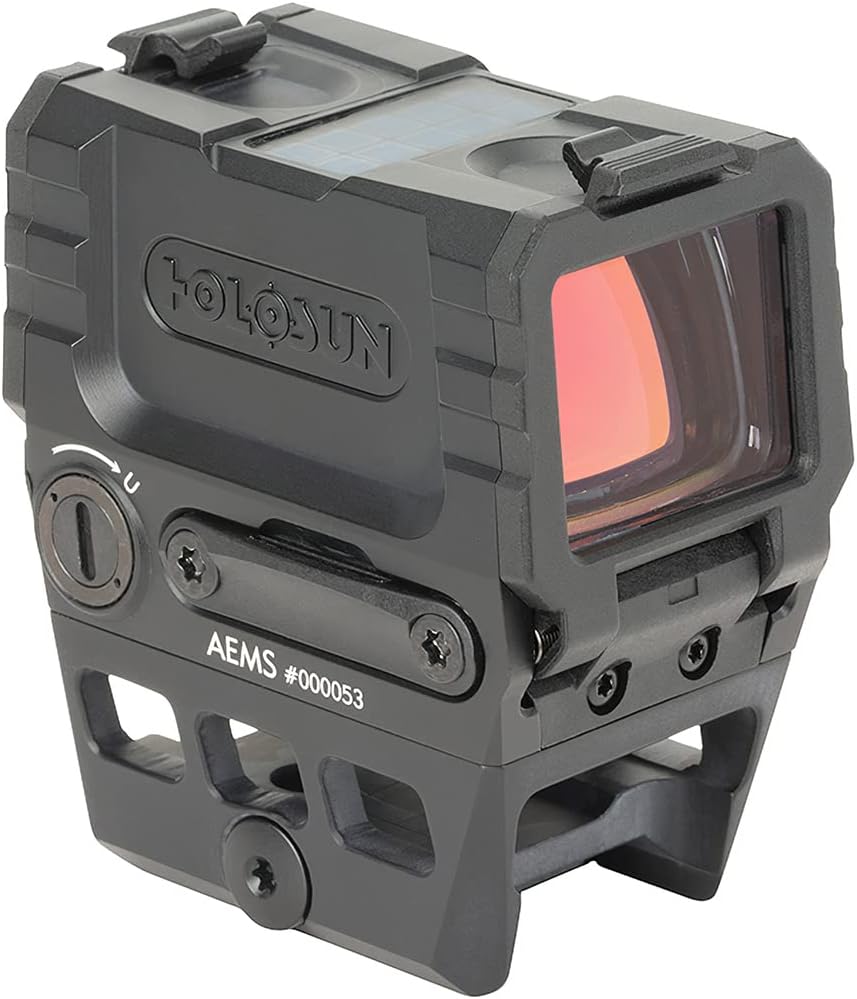
The HOLOSUN AEMS blends the speed of a holographic-style optic with the efficiency of an enclosed LED system. On the Benelli M3, it offers one of the best combinations of field of view, durability, and compact sizing currently available.
Specs
- Enclosed emitter
- Multi-reticle system
- Solar backup system
- Large viewing window
- Side battery compartment
- Shake Awake technology
Pros
- Excellent viewing window
- Compact overall size
- Strong battery efficiency
- Fully enclosed emitter
Cons
- Slightly bulky profile
- More expensive than entry-level dots
The AEMS feels exceptionally fast on a tactical shotgun. The large rectangular window allows rapid visual pickup during dynamic movement, while the compact chassis keeps overall weight surprisingly reasonable.
I found the optic especially effective during low-light transitions. The reticle remains crisp without excessive blooming, and the brightness buttons offer positive tactile feedback even while wearing gloves. The side battery tray also simplifies maintenance because re-zeroing is rarely necessary after battery swaps.
Parallax performance is excellent for an LED optic. During barricade drills and unconventional shooting positions, the reticle stayed intuitive and easy to track. I also noticed minimal emitter occlusion thanks to the optic’s open internal geometry.
Many online users compare the AEMS favorably against bulkier holographic sights because it delivers a similarly open sight picture while offering dramatically longer battery life. Durability feedback has also been very positive among shotgun and PCC owners.
Mounting is direct to Picatinny rails, though I strongly prefer lower mounts on the Benelli M3 to avoid excessive height over bore. Proper setup keeps the shotgun quick and natural during defensive shooting.
╰┈➤ Explore User Feedback and Current Pricing on Amazon
How I Tested / Evaluation Criteria
I evaluate shotgun optics differently than rifle optics because recoil, mounting geometry, and shooting posture create unique stress points on a platform like the Benelli M3.
Parallax
Parallax performance matters heavily on defensive shotguns because shooters rarely maintain perfect cheek weld under stress. I tested each optic during rapid transitions, off-angle barricade shooting, and unconventional positions to see how much reticle shift appeared near the edge of the window.
Co-Witness and Deck Height
The Benelli M3 benefits from lower-mounted optics that preserve natural head positioning. Excessive deck height slows presentation speed and creates awkward alignment during rapid shouldering. I evaluated how comfortably each optic aligned with factory ghost rings and aftermarket rail systems.
Durability
12-gauge recoil destroys weak optics quickly. I focused heavily on recoil endurance, mount stability, battery compartment security, and emitter integrity after repeated slug and buckshot strings.
Battery Performance
Shotgun optics intended for defensive use must remain dependable during long storage periods. I prioritized optics with long runtime, efficient auto-on systems, and battery compartments that don’t require optic removal during replacement.
Brightness Range
A shotgun optic must remain visible in bright sunlight while also functioning indoors at night. I tested brightness adaptability across daylight, low-light interiors, and weapon-light illumination scenarios.
Glass Quality
Lens tint, edge distortion, and emitter clarity all influence shotgun speed. I compared window transparency, reticle crispness, and distortion near the optic edges while moving between multiple targets.
Controls Ergonomics
Glove-friendly controls matter on tactical shotguns. I specifically looked at button tactility, brightness adjustment speed, and ease of manipulation under recoil.
Mounting Ecosystem
The Benelli M3 uses a Picatinny-compatible receiver setup, so mount compatibility is critical. I favored optics with strong aftermarket support, low-profile mounting options, and durable recoil-resistant interfaces.
How to Choose the Right Red Dot for This Gun
Choosing a red dot for the Benelli M3 depends heavily on how you actually use the shotgun. A home-defense setup has different priorities than a competition shotgun or patrol configuration.
For defensive use, I strongly prefer enclosed-emitter optics. Shotguns produce heavy carbon fouling, especially near the receiver area, and open emitters can become obstructed surprisingly quickly. Rain, lint, debris, and unburned powder are all legitimate concerns on tactical shotguns. Enclosed optics like the HOLOSUN 509T or AEMS offer better reliability in adverse conditions.
Window size also matters more on shotguns than many people expect. Larger viewing windows make target acquisition dramatically faster during aggressive movement. Holographic optics and larger enclosed designs excel here, though they usually add more bulk and weight.
Weight balance is another critical factor. The Benelli M3 handles exceptionally well from the factory, and overly large optics can make the gun feel sluggish during transitions. Lightweight micro dots preserve the shotgun’s natural balance better than oversized sights.
Mount height deserves careful attention. High-mounted optics force the shooter into awkward head positions and slow presentation speed. Lower mounts generally produce better cheek weld consistency and more intuitive alignment with ghost ring sights.
Reticle design can also influence performance. Simple 2 MOA dots work well for slug accuracy, while circle-dot systems tend to improve speed during buckshot use at close range. I personally prefer multi-reticle systems on defensive shotguns because they provide flexibility across different loads and distances.
Finally, durability should never be compromised on a 12-gauge platform. Many inexpensive optics appear adequate initially but eventually lose zero or develop flickering under repeated recoil. Investing in a proven recoil-rated optic saves frustration long term.
FAQs
What optic footprint works best on the Benelli M3?
Most Benelli M3 setups use a Picatinny rail system, so optics with Micro, RMR, or integrated Picatinny mounts all work well depending on your preferred configuration.
Are enclosed emitters better for shotguns?
Yes. Enclosed emitters resist carbon buildup, moisture, lint, and debris much better than open-emitter optics, making them ideal for defensive shotgun use.
Can the Benelli M3 co-witness with a red dot?
Partial co-witness is possible depending on mount height and optic choice, though many setups prioritize lower deck height over absolute co-witness alignment.
Do holographic sights handle shotgun recoil well?
Quality holographic optics like the EOTECH EXPS3 handle recoil very well, though they tend to weigh more and consume batteries faster than LED dots.
What dot size is best for a tactical shotgun?
A 2 MOA dot works well for balancing slug precision and fast close-range acquisition, though circle-dot reticles can improve speed with buckshot.
Conclusion
After extensive testing, I believe the Best Red Dot For Benelli M3 depends primarily on whether you prioritize maximum durability, fastest target acquisition, or lightweight handling. The Aimpoint Micro T-2 remains my top choice for overall reliability and balance, while the EOTECH EXPS3 offers unmatched speed for close-range defensive work. For shooters wanting an enclosed-emitter design with excellent value, the HOLOSUN 509T and AEMS are both outstanding options.
No matter which optic you choose, mounting height, recoil resistance, and real-world ergonomics matter far more on the Benelli M3 than raw specification sheets alone. Properly matched, a quality red dot transforms the shotgun into a dramatically faster and more capable defensive platform.
Sources referenced include manufacturer specifications from Aimpoint, EOTECH, HOLOSUN, Trijicon, and Sig Sauer, along with user feedback from tactical shotgun forums and mounting discussions from Benelli enthusiast communities.